Is It Safe to Swim in a Pool With Low Chlorine?
As a pool owner, you might be tempted to jump in for a quick swim even when your test kit shows low chlorine levels. However, at Tiki Tides Pools, we prioritize your health above all else. Swimming in a pool with low chlorine—typically defined as anything below 1.0 ppm—is not recommended. Chlorine is your pool's primary defense against waterborne pathogens, and when levels drop, your pool becomes a breeding ground for bacteria, viruses, and algae.
Even if the water looks clear, invisible contaminants can pose significant health risks, including skin rashes, ear infections, and gastrointestinal issues. Maintaining proper sanitation is not just about keeping the water clear; it is about ensuring a safe environment for your family and friends.
The Risks of Low Chlorine Levels
When your free chlorine drops below the CDC-recommended range of 1.0–3.0 ppm, the water loses its ability to neutralize contaminants effectively. The primary risks include:
- Pathogen Exposure: Harmful germs like E. coli and salmonella can survive in under-sanitized water, leading to illness.
- Algae Blooms: Low chlorine allows algae spores to multiply rapidly, turning your water cloudy or green.
- Chloramine Formation: If you have "combined chlorine" (chloramines) present, you may notice a strong chemical odor and eye irritation. Contrary to popular belief, this smell often means you need more chlorine to break down those contaminants, not less. Learn more about this in our guide: Why Does My Pool Smell Like Chlorine? The Truth About Pool Odors.
Ideal Chemical Ranges for a Safe Swim
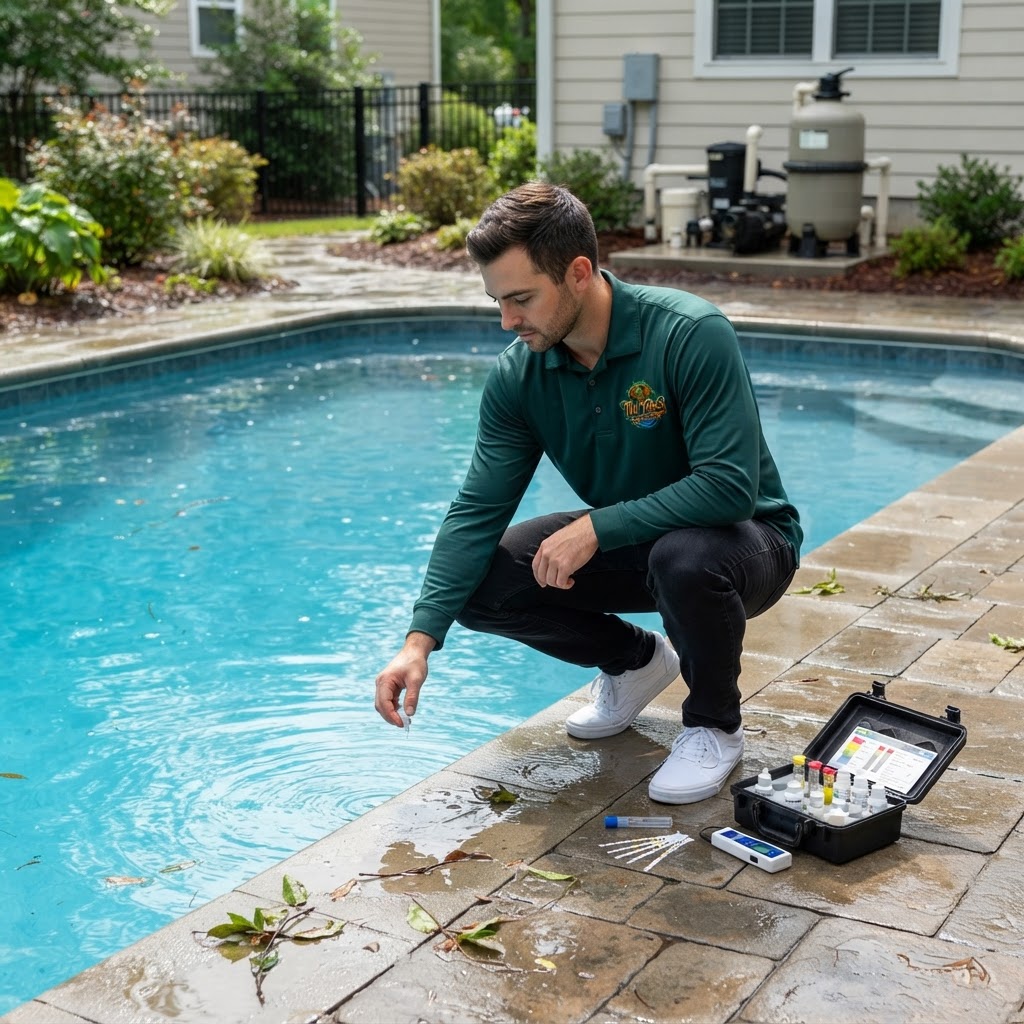
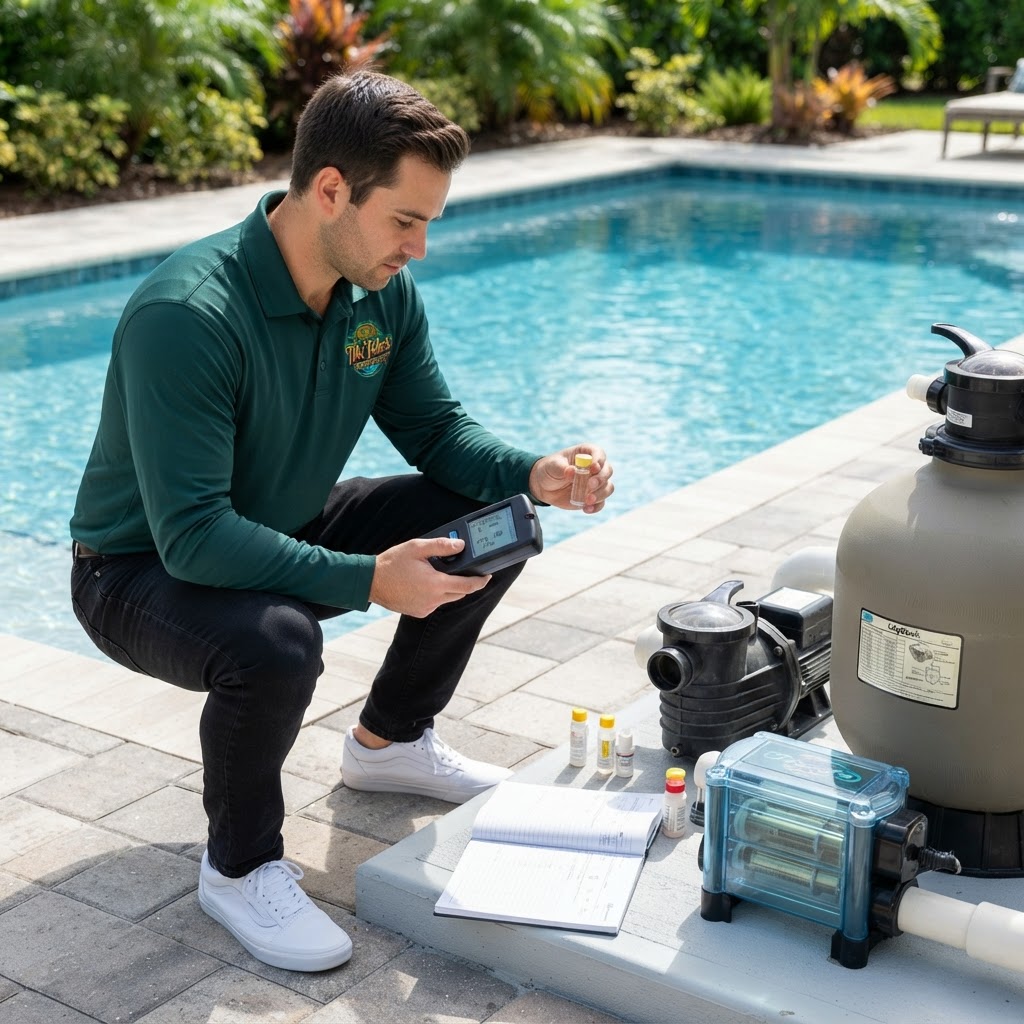
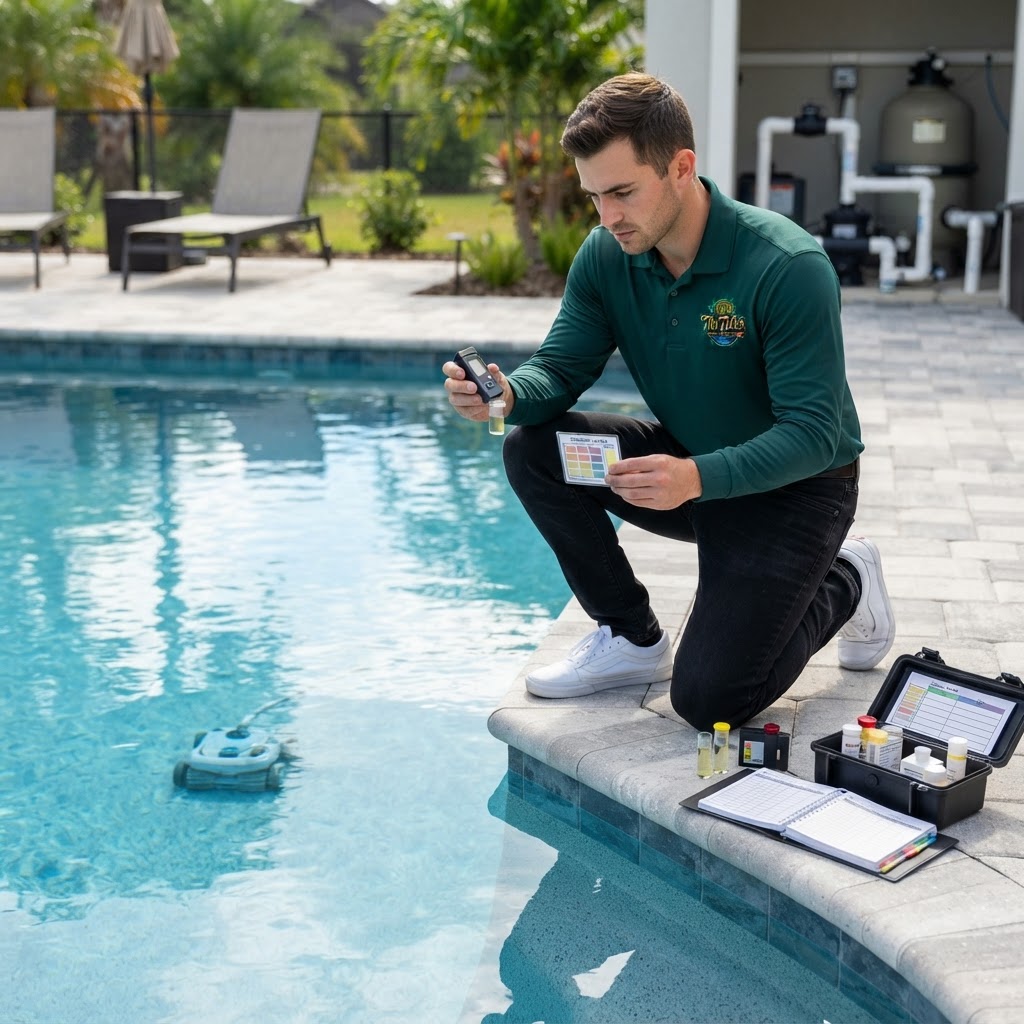
To ensure your pool is safe, you must maintain a balanced chemical profile. Use a high-quality DPD test kit for the most accurate results. According to industry standards, your target levels should be:
- Free Chlorine: 1.0–3.0 ppm (or 2.0–4.0 ppm if using cyanuric acid)
- pH: 7.2–7.8
- Total Alkalinity: 80–120 ppm
- Calcium Hardness: 200–400 ppm
- Cyanuric Acid (CYA): 30–50 ppm
For a deeper dive into maintaining these levels, check out What Are Ideal Pool Chemical Levels? A Guide to Balanced Water.
Pro Tip: If you find your chlorine levels are constantly dropping, check your Cyanuric Acid (CYA) levels. If your CYA is too low, the sun will burn off your chlorine in a matter of hours. If it is too high, it can "lock" your chlorine, making it ineffective. Always test your stabilizer levels before adding more shock.
How to Fix Low Chlorine
If your levels are low, follow these steps to restore balance:
- Test and Adjust pH: Chlorine is most effective when the pH is between 7.2 and 7.8. If your pH is too high, the chlorine cannot work efficiently. See How to Lower pH in a Pool: A Step-by-Step Guide to Balanced Water.
- Shock the Pool: Use a high-quality pool shock to raise your chlorine levels quickly. Always follow the manufacturer's instructions regarding dosage and safety.
- Wait for Safe Levels: After shocking, wait until the free chlorine levels return to the 1.0–3.0 ppm range before allowing anyone to enter the water.
- Check for External Factors: If you have recently had heavy rain or a high bather load, your chlorine will be depleted faster. Read How Rain Affects Pool Chemistry: A Complete Guide to Post-Storm Recovery for more tips.
Safety Notes
Always handle pool chemicals with care. Store them in a cool, dry place away from direct sunlight and out of reach of children. Never mix different types of chemicals together, as this can cause dangerous reactions. If you are using a salt chlorine generator, ensure your salt levels are within the manufacturer's recommended range before troubleshooting the cell.
When to Call a Professional
If you have shocked your pool and the chlorine levels still refuse to rise, or if you are dealing with persistent cloudy or green water, it is time to call the experts at Tiki Tides Pools. You may have an equipment issue, such as a failing salt cell or a filter that needs cleaning, which requires professional intervention to resolve safely.
Summary
Swimming in a pool with low chlorine is a risk you shouldn't take. By keeping your sanitizer levels within the 1.0–3.0 ppm range and maintaining a balanced pH, you protect your swimmers from illness and keep your pool equipment in top shape. When in doubt, test your water, balance your chemicals, and wait for the levels to stabilize before diving in.
Related Reading
- How Rain Affects Pool Chemistry: A Complete Guide to Post-Storm Recovery
- Why Does My Pool Smell Like Chlorine? The Truth About Pool Odors
- Why Does My Pool Lose Chlorine So Quickly? 5 Common Causes & Fixes
- What Are Ideal Pool Chemical Levels? A Guide to Balanced Water
- How to Lower pH in a Pool: A Step-by-Step Guide to Balanced Water