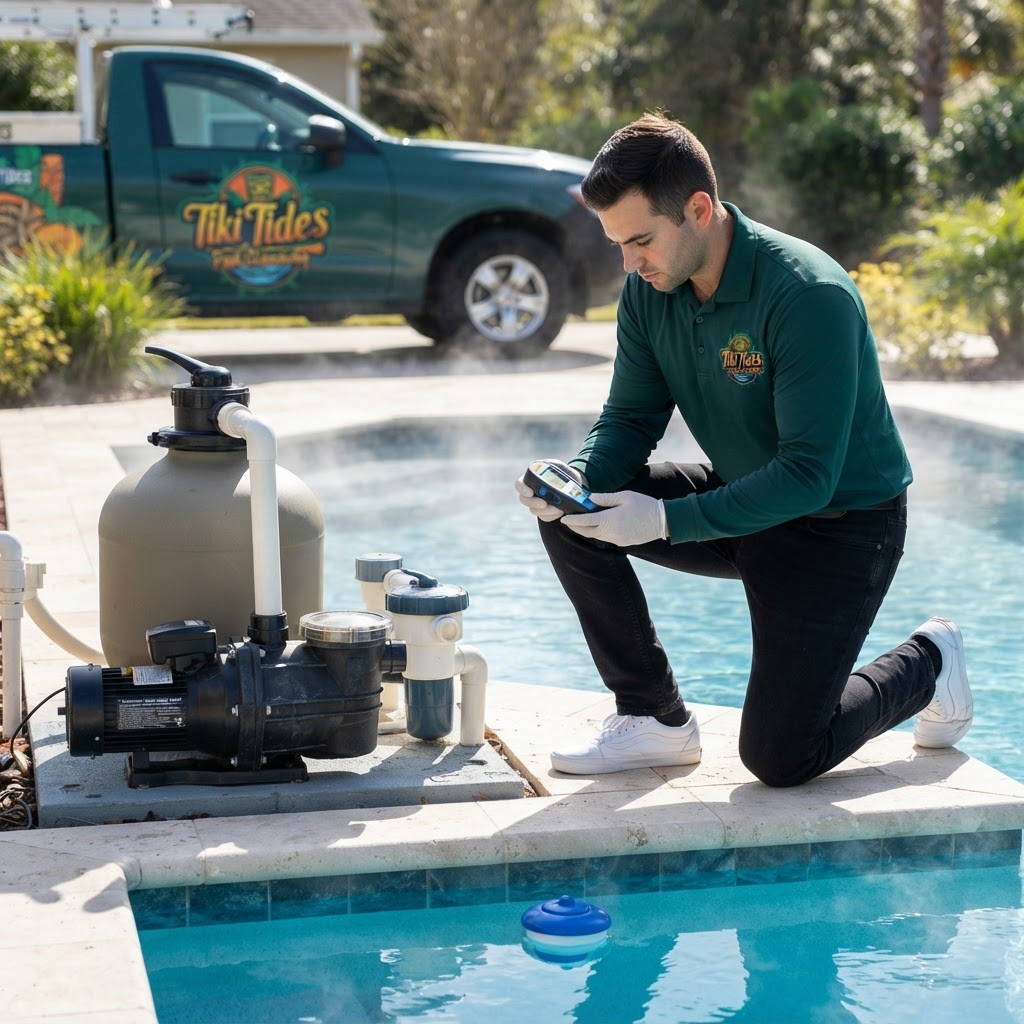
The Truth About That 'Pool Smell'
If you walk into your backyard and are hit with a sharp, stinging chemical odor, your first instinct might be to assume the pool has too much chlorine. However, as a professional at Tiki Tides Pools, I am here to tell you that the opposite is true. A properly maintained pool should have almost no scent at all. That pungent, "public pool" smell is actually a sign that your sanitizer is struggling to keep up with contaminants.
This odor is caused by compounds called chloramines (or combined chlorine). Chloramines form when free chlorine reacts with organic matter introduced by swimmers, such as sweat, oils, cosmetics, and urine. When these contaminants enter the water, the chlorine binds to them, creating chloramines, which are not only poor disinfectants but also the primary cause of eye, skin, and respiratory irritation.
Why Chloramines Are a Problem
Chloramines are "dead" chlorine. Once chlorine has combined with an organic contaminant, it loses its ability to effectively sanitize your water. This creates a vicious cycle: the more contaminants in the water, the more chloramines form, and the less effective your remaining free chlorine becomes. If you notice this smell, it is a clear indicator that your water chemistry is out of balance and requires immediate attention.
Signs Your Pool Has Chloramines
- A strong, stinging chemical odor around the pool area.
- Red, irritated, or burning eyes after swimming.
- Dry, itchy skin or rashes.
- Cloudy or dull-looking water.
- Free chlorine levels that drop rapidly despite regular dosing.
How to Eliminate the Smell
To get rid of the odor, you must perform "breakpoint chlorination." This involves adding enough chlorine to the water to break the molecular bond of the chloramines, effectively destroying them and allowing your free chlorine to return to its active, sanitizing state.
Step-by-Step Fix
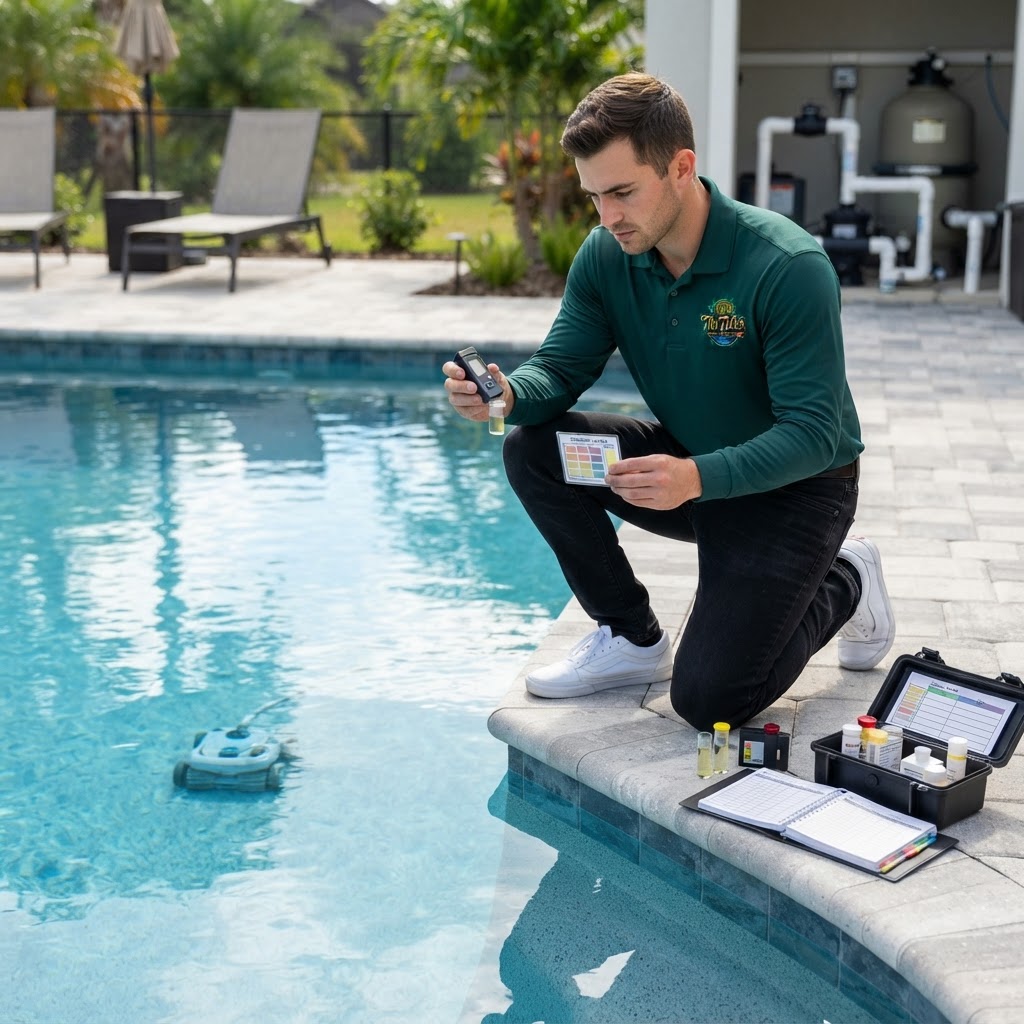
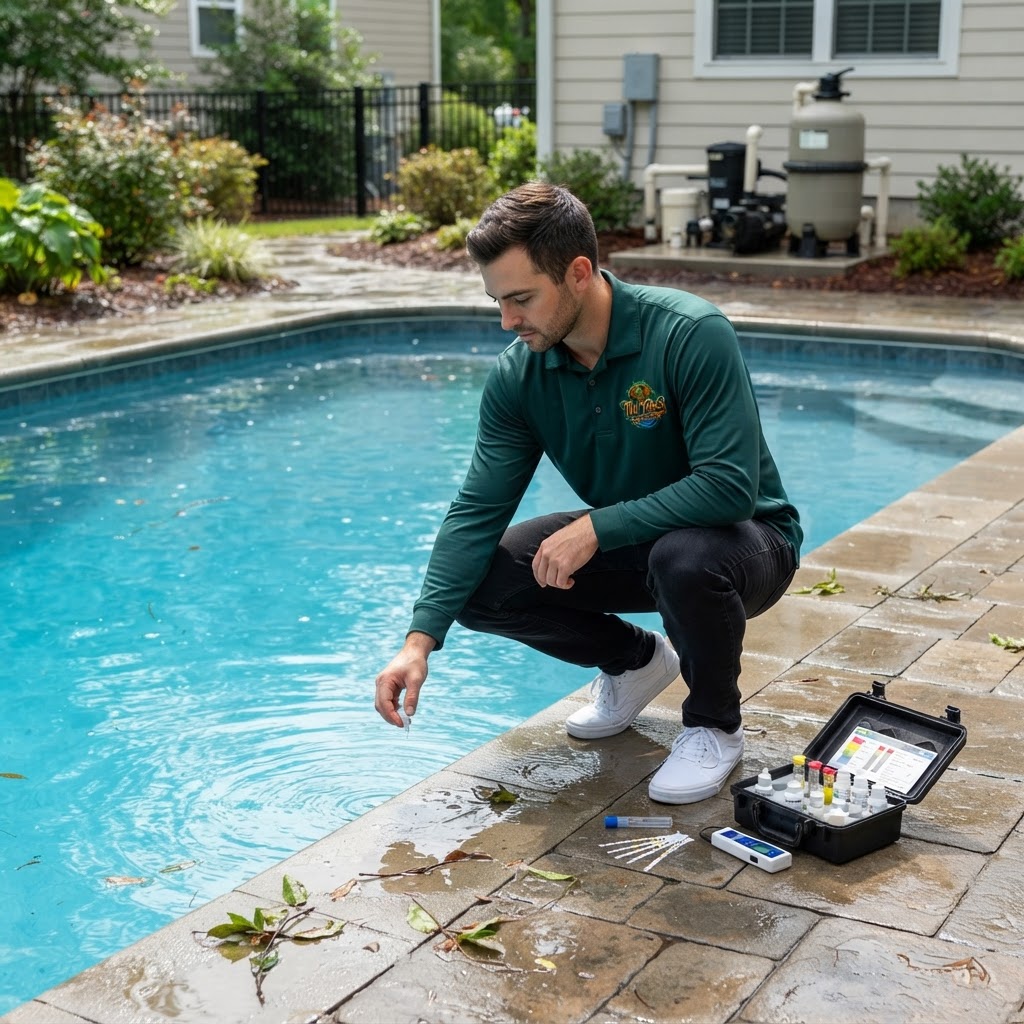
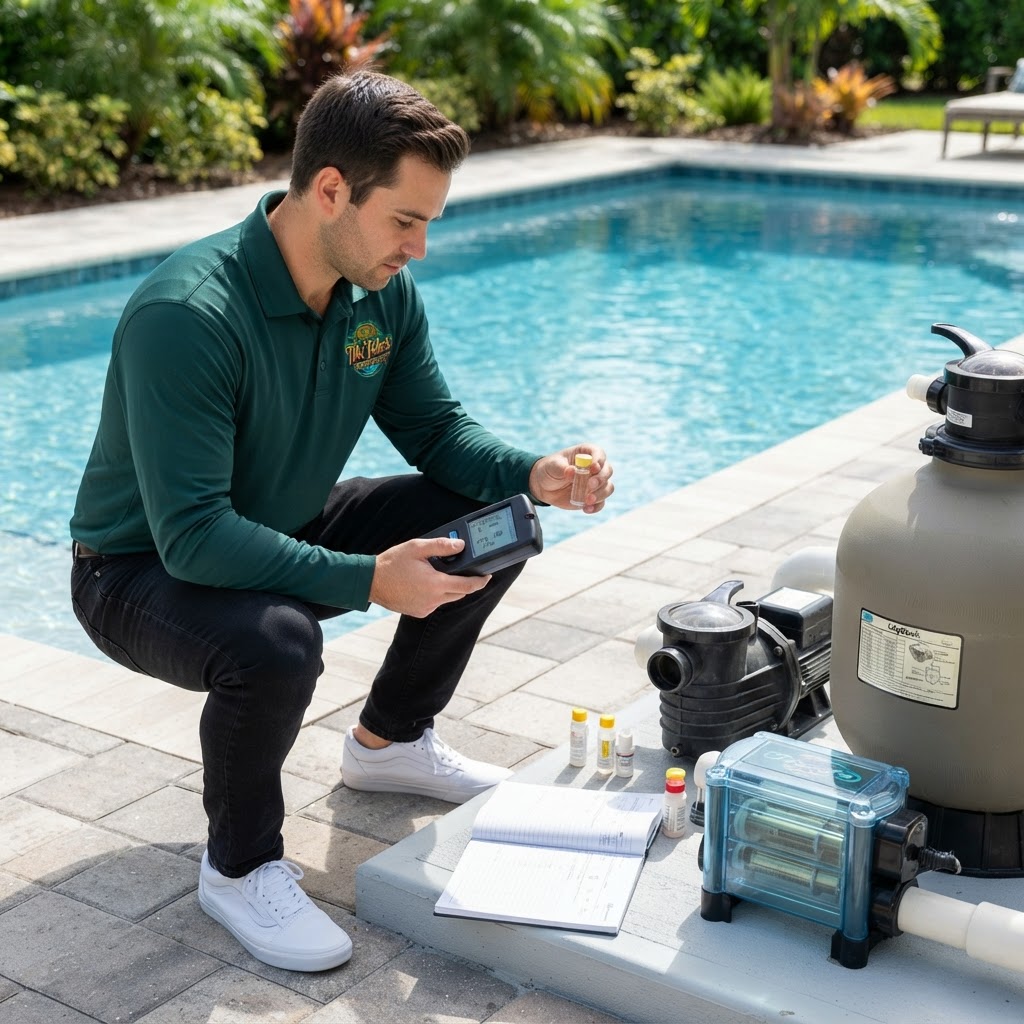
- Test Your Water: Use a high-quality test kit to check your levels. You need to know your Free Chlorine and Total Chlorine. If Total Chlorine is higher than Free Chlorine, you have a chloramine buildup.
- Balance pH and Alkalinity: Before shocking, ensure your pH is between 7.2–7.8 and Total Alkalinity is 80–120 ppm. If your water is not balanced, the shock will be significantly less effective. Learn more about What Are Ideal Pool Chemical Levels? A Guide to Balanced Water.
- Shock the Pool: Use a high-quality pool shock to reach the "breakpoint" threshold. For effective results, the free chlorine concentration should ideally be ten times the level of the combined chlorine. Check out our guide on Master the Art of Pool Shocking: The Ultimate Guide to Crystal Clear Water.
- Run the Filter: Keep your pump running for at least 24 hours to ensure the shock is thoroughly circulated and the oxidized contaminants are filtered out.
Pro Tip: If you have an indoor pool, ventilation is just as important as chemistry. Because chloramines off-gas into the air, poor airflow will trap the smell and irritants, making the problem feel worse even if the water chemistry is improving.
Safety Notes
Always handle pool chemicals with extreme caution. Never mix different types of chemicals, as this can cause dangerous reactions. Always add chemicals to water, never water to chemicals. Ensure you wear protective gear, such as gloves and goggles, when handling shock or liquid chlorine, and keep all chemicals stored in a cool, dry, and secure location away from children and pets.
When to Call a Professional
If you have shocked the pool and the smell persists, or if you are struggling to maintain your chemical levels despite consistent effort, it may be time to call the experts at Tiki Tides Pools. Persistent odors can sometimes indicate underlying issues like poor filtration, high Cyanuric Acid (CYA) levels, or equipment malfunctions that require professional diagnostics. If your chlorine levels are constantly fluctuating, read our guide on Why Does My Pool Lose Chlorine So Quickly? 5 Common Causes & Fixes.
Summary
A strong chlorine smell is not a sign of a clean pool; it is a sign of a pool that needs help. By understanding that chloramines are the culprit, you can take the necessary steps to shock your pool, balance your water, and restore a safe, comfortable swimming environment for your family.
Related Reading
- Why Does My Pool Lose Chlorine So Quickly? 5 Common Causes & Fixes
- What Are Ideal Pool Chemical Levels? A Guide to Balanced Water
- How to Lower pH in a Pool: A Step-by-Step Guide to Balanced Water
- Master the Art of Pool Shocking: The Ultimate Guide to Crystal Clear Water
- Salt Water Pool Conversion: Everything You Need to Know