The Impact of Texas Heat on Your Pool
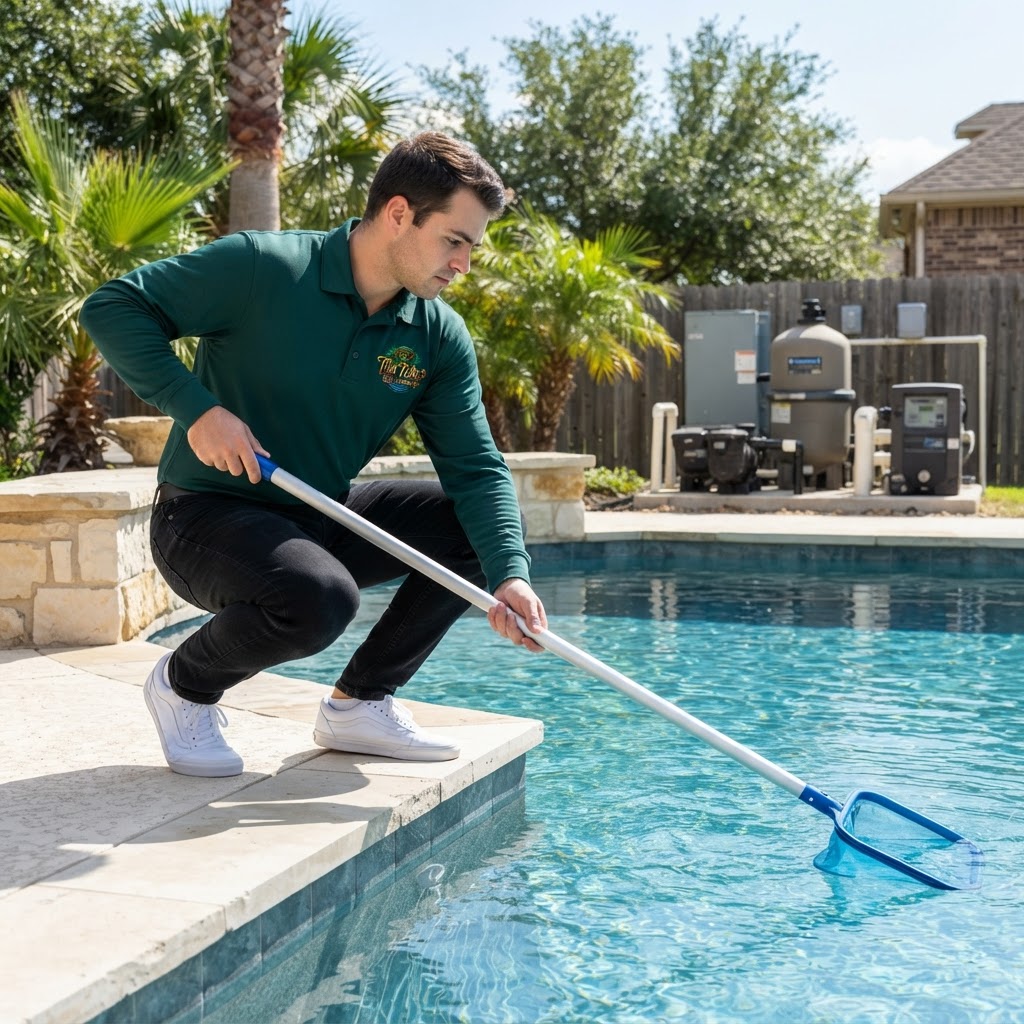
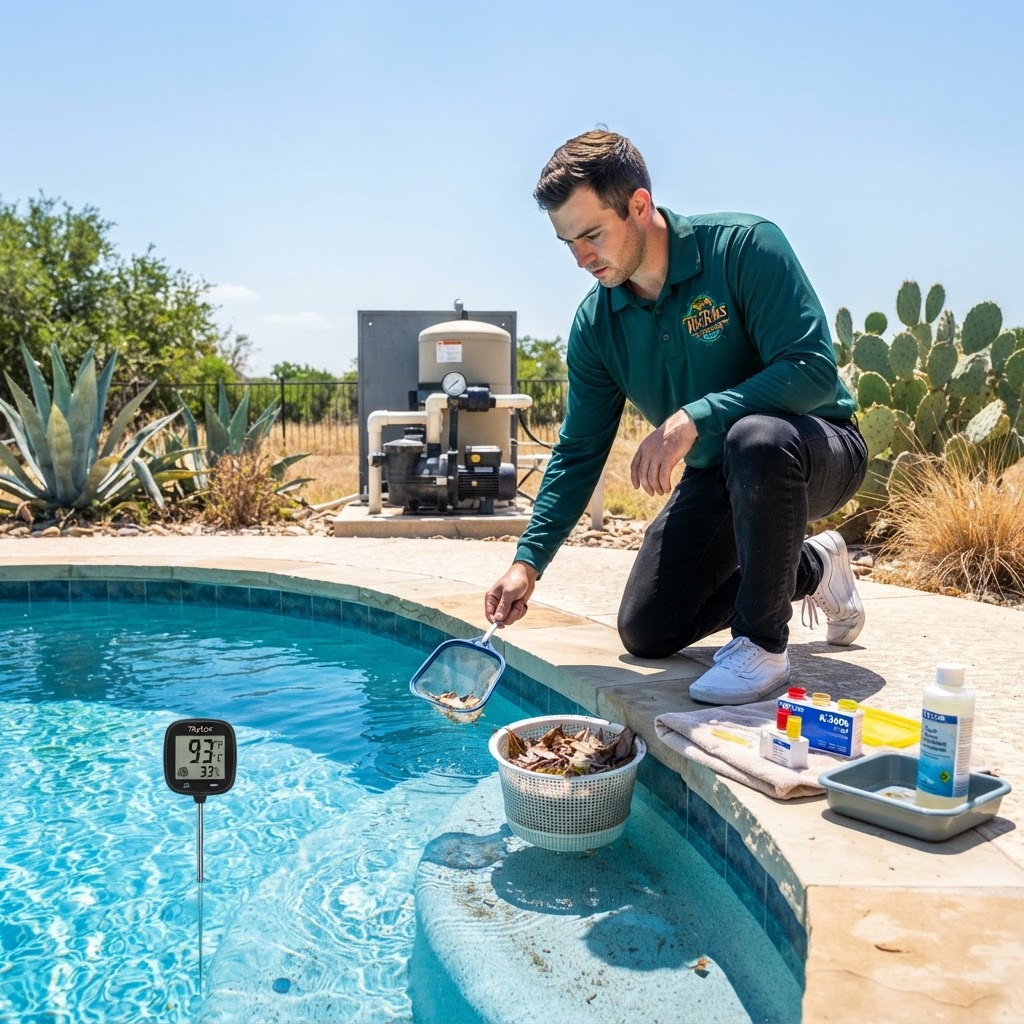
Living in Texas means enjoying a long swimming season, but it also means your pool faces some of the harshest conditions in the country. When temperatures soar above 90°F, your pool undergoes significant physical and chemical changes. The intense UV exposure and high water temperatures accelerate the depletion of chlorine, encourage rapid algae growth, and increase evaporation rates, which can leave your water chemistry unstable.
Understanding these challenges is the first step in maintaining a healthy oasis. Neglecting your pool during a heat wave doesn't just lead to cloudy water; it can cause long-term damage to your equipment and create an unsafe environment for swimmers. By adjusting your maintenance routine to account for the Texas climate, you can protect your investment and ensure your pool remains a refreshing escape all summer long.
Managing Water Chemistry in Extreme Heat
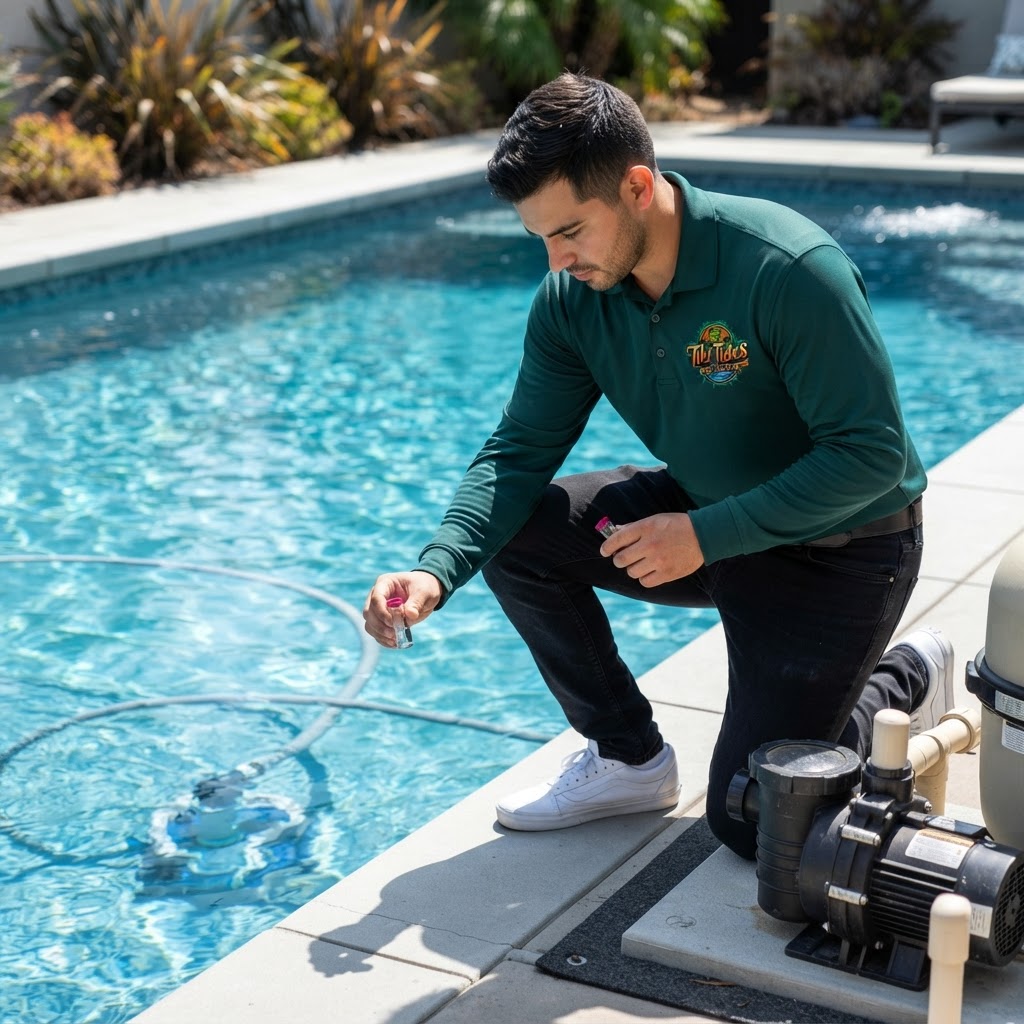
High heat causes chlorine to dissipate much faster than in cooler weather. To keep your pool safe and clear, you must monitor your levels more frequently. We recommend testing your water at least twice a week during peak summer months.
Target Chemical Ranges
To maintain a safe and balanced pool, keep your levels within these industry-standard ranges:
- Free Chlorine: 1.0–3.0 ppm (CDC standard)
- pH: 7.2–7.8 (CDC standard)
- Total Alkalinity: 80–120 ppm
- Calcium Hardness: 200–400 ppm
- Cyanuric Acid (CYA): 30–50 ppm
Pro Tip: Cyanuric Acid (CYA) acts as a sunscreen for your chlorine. If your CYA levels are too low, the Texas sun will burn off your chlorine in a matter of hours. Ensure your stabilizer is within the 30–50 ppm range to maximize sanitizer efficiency.
Circulation and Filtration
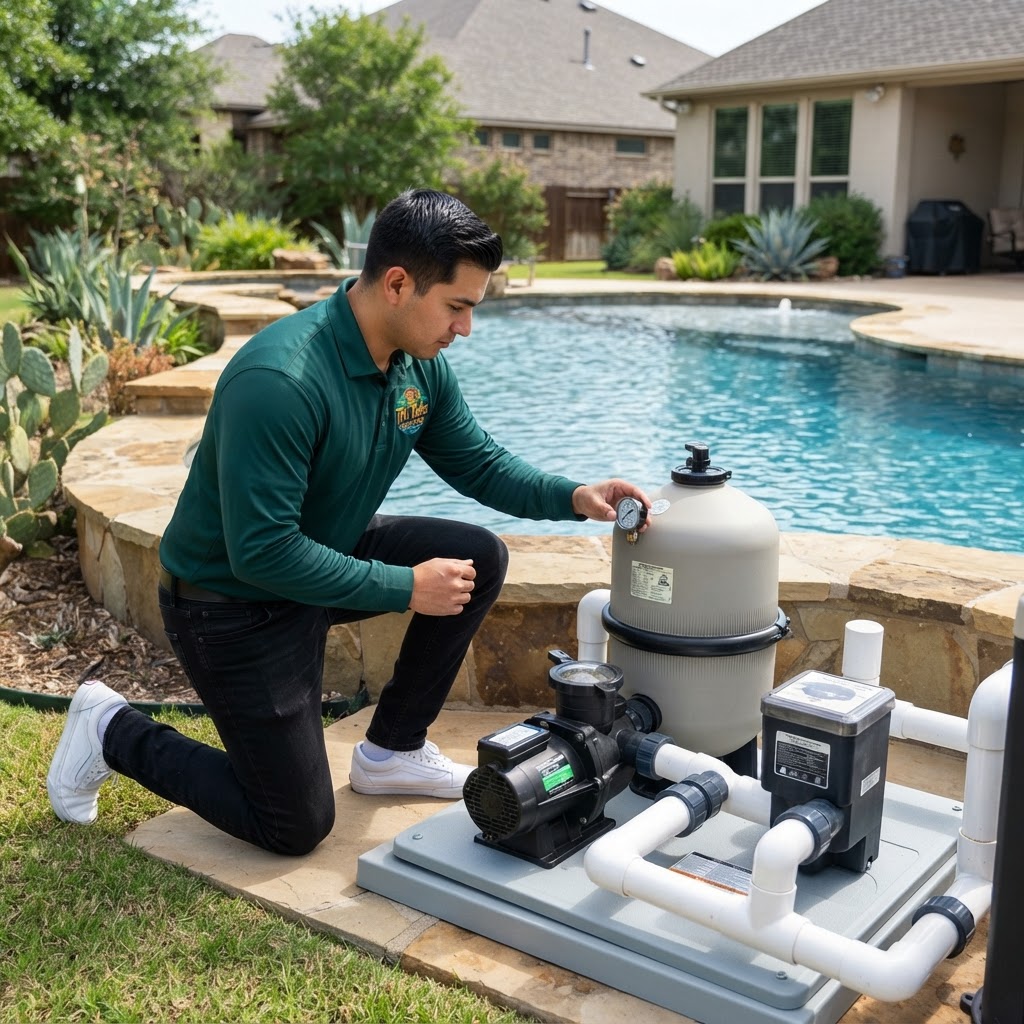
In the heat, your pump is the most important tool in your arsenal. Stagnant water is a breeding ground for algae, especially when temperatures are high. If you typically run your pump for 8 hours, consider extending that time during a heat wave. Running your pump for 12 to 24 hours a day ensures that your sanitizer is properly distributed and that your filter has enough time to remove contaminants introduced by heavy bather loads.
For more detailed advice on managing your system, check out our Texas Pool Care Guide: Maintaining a Pool in North Texas.
Safety Notes
- Chemical Handling: Always add chemicals to water, never water to chemicals. Store all pool chemicals in a cool, dry, and well-ventilated area away from direct sunlight.
- Bather Load: High temperatures often lead to more swimmers. Encourage guests to shower before entering the pool to reduce the introduction of oils, lotions, and sweat, which consume chlorine rapidly.
- Equipment Safety: If you notice your pump motor running excessively hot or making unusual noises, turn it off and contact a professional. Do not attempt to repair electrical components yourself.
When to Call a Professional
While routine maintenance is something every pool owner can manage, some situations require an expert touch. You should contact a professional if:
- Persistent Algae: If you have followed proper chemical protocols and the water remains green or cloudy, you may have an underlying filtration issue or a severe infestation that requires professional-grade algaecides.
- Equipment Failure: If your pump, heater, or salt cell stops functioning, professional repair is necessary to prevent further damage.
- Water Balance Issues: If you are struggling to keep your pH or alkalinity stable despite regular adjustments, your fill water may be causing mineral buildup that requires professional intervention.
Summary
Texas heat is a formidable opponent, but with consistent testing, proper circulation, and a proactive approach to chemistry, you can keep your pool sparkling all season. Remember that small, consistent habits—like checking your chlorine levels and keeping your filter clean—are the best defense against the summer sun. For more tips on handling extreme weather, read our guide on Heat Wave Pool Care: Protecting Your Pool in Extreme Temperatures.
Related Reading
- Texas Pool Care Guide: Maintaining a Pool in North Texas
- Heat Wave Pool Care: Protecting Your Pool in Extreme Temperatures
- Vacation Pool Care: What to Do Before You Leave
- Fall Pool Maintenance Guide: Preparing Your Oasis for the Off-Season
- Hurricane and Storm Pool Preparation: The Ultimate Safety Guide