Why Fall Pool Maintenance Matters
As the air turns crisp and the leaves begin to fall, it is tempting to turn your back on your swimming pool. However, neglecting your pool during the transition from summer to winter is a recipe for costly repairs and a difficult spring start-up. Proper fall pool maintenance is the bridge between a sparkling summer season and a protected, healthy pool during the colder months.
By taking proactive steps now, you prevent organic debris from staining your surfaces, stop algae blooms before they start, and ensure your plumbing and equipment are shielded from freezing temperatures. Whether you are preparing to close your pool for the season or simply winding down your usage, these steps will keep your water chemistry stable and your equipment in peak condition.
Essential Fall Maintenance Steps
1. Keep the Water Clean
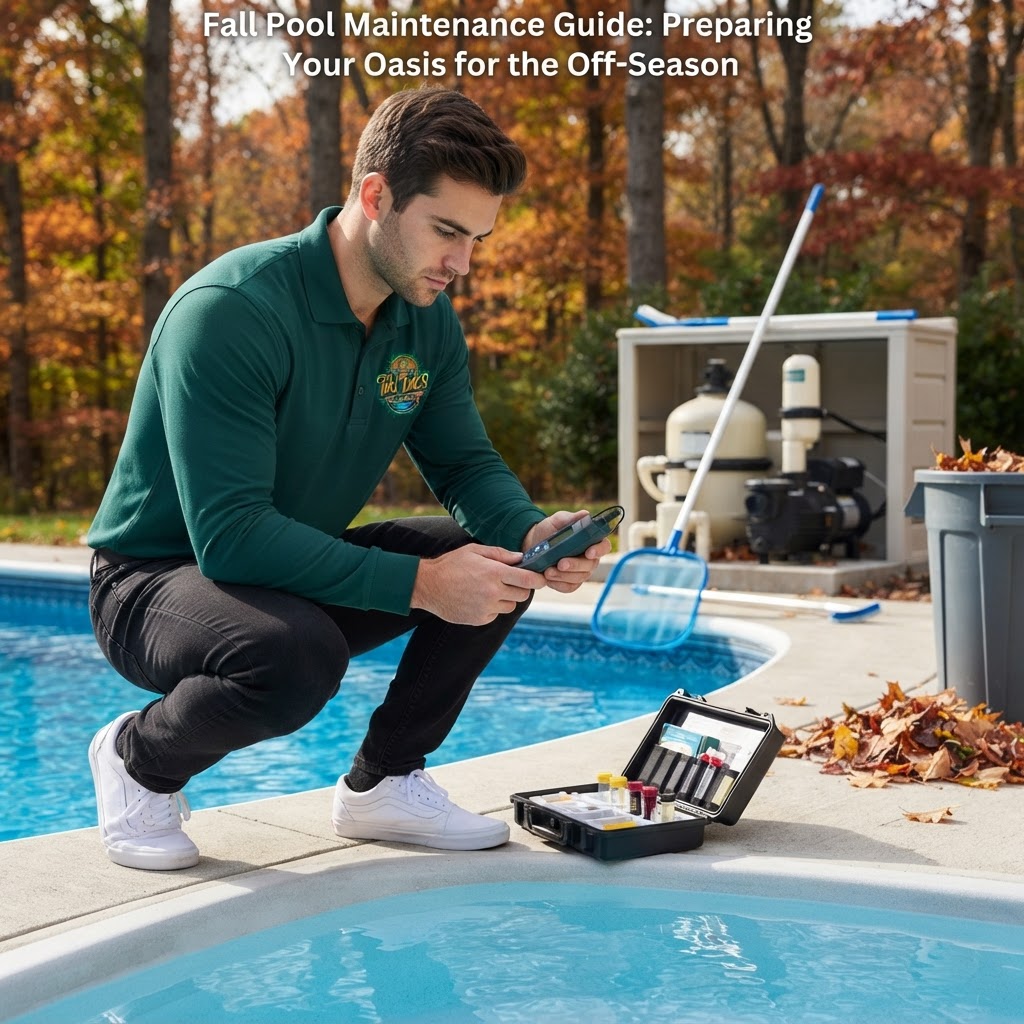
Falling leaves and debris are the primary enemies of a clean pool in autumn. If left to sink, they decompose, staining your pool floor and providing a food source for algae.
- Skim daily: Use a leaf net to remove surface debris before it sinks.
- Empty baskets: Regularly clear out your skimmer and pump baskets to maintain proper water flow.
- Brush and vacuum: Even if you aren't swimming, brushing the walls and vacuuming the floor prevents buildup that can lead to long-term staining.
2. Balance Your Water Chemistry
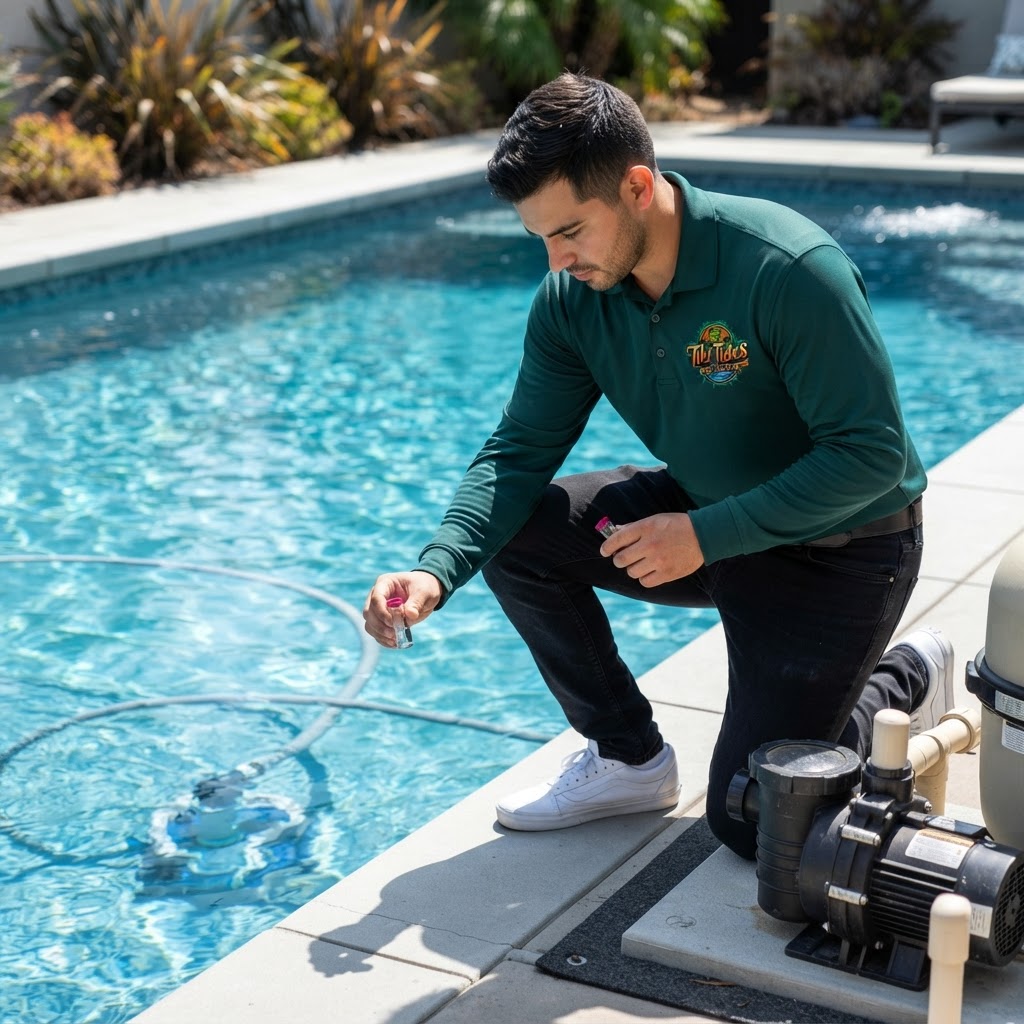
As temperatures drop, your pool's chemical needs change. You must maintain proper balance to prevent corrosion or scale buildup. Always test your water and adjust as necessary to meet these industry-standard ranges:
- Free Chlorine: 1.0–3.0 ppm
- pH: 7.2–7.8
- Total Alkalinity: 80–120 ppm
- Calcium Hardness: 200–400 ppm
- Cyanuric Acid (CYA): 30–50 ppm
3. Inspect and Winterize Equipment
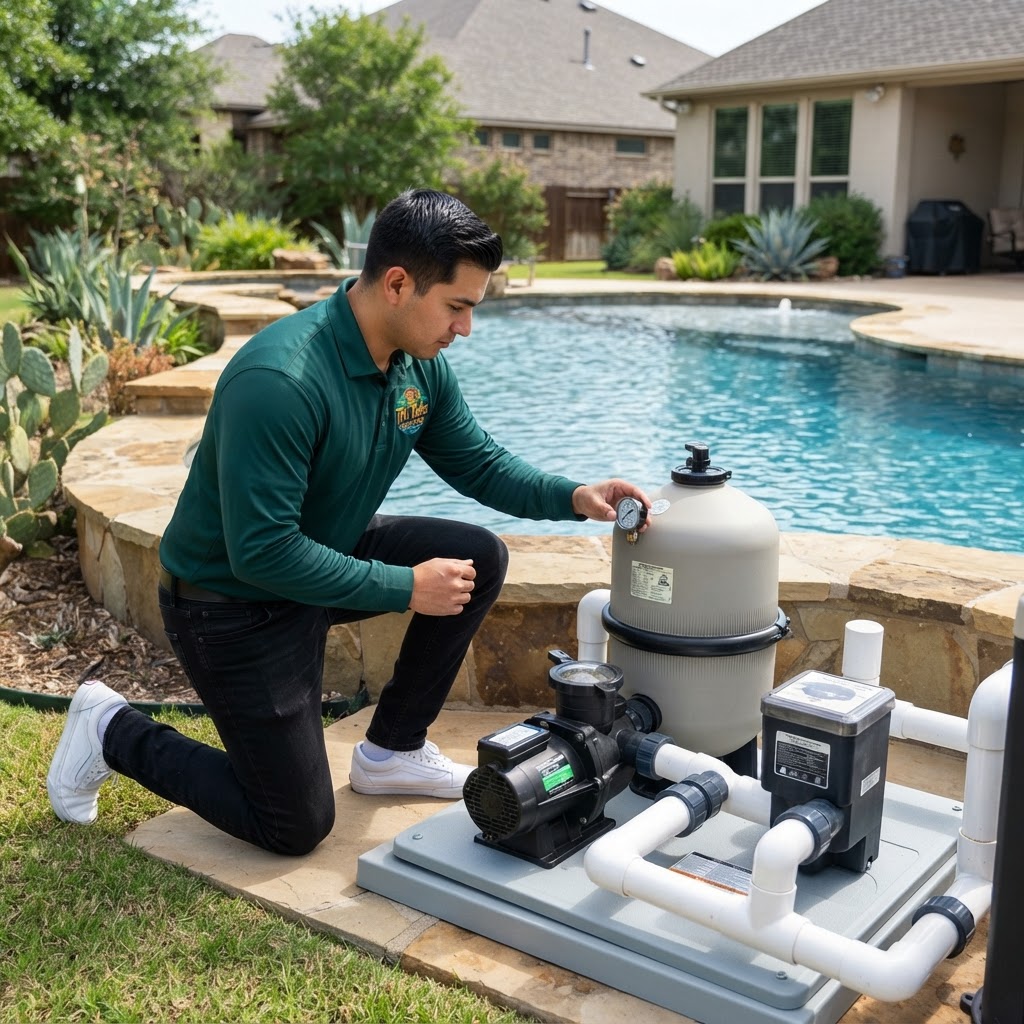
Before the first freeze, ensure your equipment is ready. If you live in a region prone to freezing, you must drain your pump, filter, and heater to prevent water from expanding and cracking the housing. For a detailed walkthrough on this process, refer to our guide on How to Close and Winterize Your Pool.
Pro Tip: When temperatures consistently drop below 65°F, your pool's chlorine demand decreases significantly. Monitor your levels closely during this time to avoid over-chlorination, which can damage pool liners and equipment seals.
Safety Notes
Safety is paramount, even when the pool is not in use.
- Secure the area: Ensure all pool fences, gates, and safety covers are in good working order.
- Chemical handling: Always store pool chemicals in a cool, dry, and well-ventilated area, away from direct sunlight and out of reach of children or pets. Never mix different types of chemicals, as this can cause dangerous reactions.
- Electrical safety: Ensure all power to pool equipment is turned off before performing any maintenance or winterization tasks.
When to Call a Professional
While many maintenance tasks can be handled by the homeowner, some situations require the expertise of a certified technician. You should contact Tiki Tides Pools if you notice:
- Persistent cloudy water that does not clear after balancing chemicals.
- Visible cracks in the pool shell or deck.
- Unusual noises or leaks coming from the pump or heater.
- Difficulty with the winterization process, especially regarding complex plumbing or automated systems.
Summary
Fall pool maintenance is an investment in your pool's longevity. By staying consistent with cleaning, monitoring your chemical levels, and properly winterizing your equipment, you ensure that your pool remains a safe, beautiful asset. If you need help with your seasonal transition, our team at Tiki Tides Pools is here to help you keep your water crystal clear year-round.
Related Reading
- Hurricane and Storm Pool Preparation: The Ultimate Safety Guide
- Summer Pool Maintenance: Beating the Heat for a Crystal Clear Season
- How to Close and Winterize Your Pool: The Ultimate Step-by-Step Guide
- The Ultimate Pool Opening Checklist: A Step-by-Step Spring Start-Up Guide
- How to Prepare Your Pool for Texas Winter: The Complete Maintenance Guide