When temperatures soar into the triple digits, your swimming pool becomes more than just a luxury—it is a vital sanctuary from the relentless sun. However, the same scorching conditions that make the water so inviting also create a perfect storm of chemical challenges. Extreme heat fundamentally alters pool water chemistry, often catching owners off guard as clear water turns murky or green in a matter of days.
As a certified pool professional at Tiki Tides Pools, I have seen how quickly a heat wave can overwhelm a standard maintenance routine. The combination of intense UV radiation, high water temperatures, and increased swimmer load creates a high-demand environment for your filtration and sanitation systems. To keep your oasis safe and refreshing, you must transition from reactive maintenance to proactive protection.
The Science of Heat and Pool Water
Extreme heat impacts your pool in three primary ways: photodegradation, increased organic load, and evaporation. Understanding these factors is the first step in protecting your investment.
- Photodegradation: Sunlight's UV rays can destroy up to 90% of your pool's free chlorine in just two hours if the water is not properly stabilized.
- Algae Acceleration: Algae spores thrive in warm water. Once pool water temperatures exceed 85°F, algae can bloom at an exponential rate, especially if sanitizer levels dip even slightly.
- Thermal Evaporation: High ambient temperatures and low humidity lead to rapid water loss. This doesn't just waste water; it concentrates minerals and chemicals, potentially leading to scaling or corrosive conditions.
Mastering Chemistry in Extreme Heat
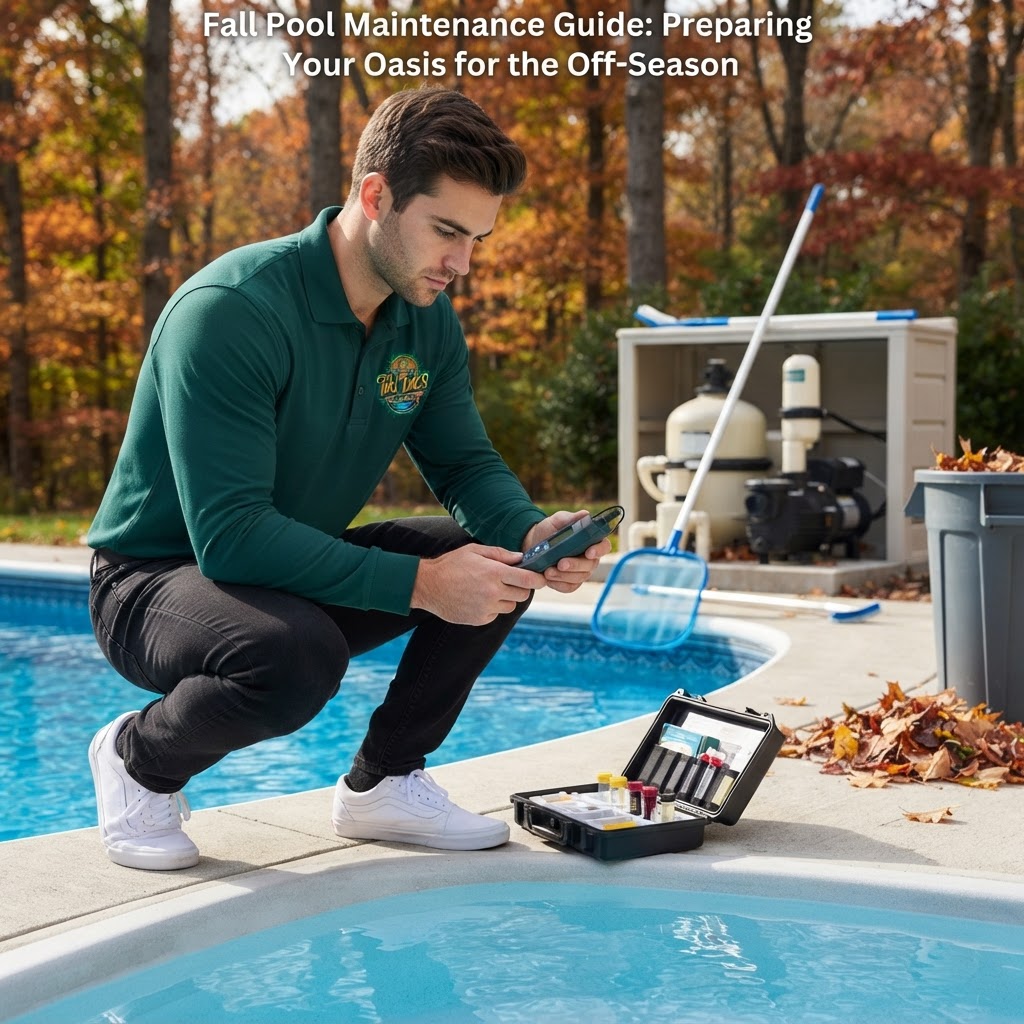
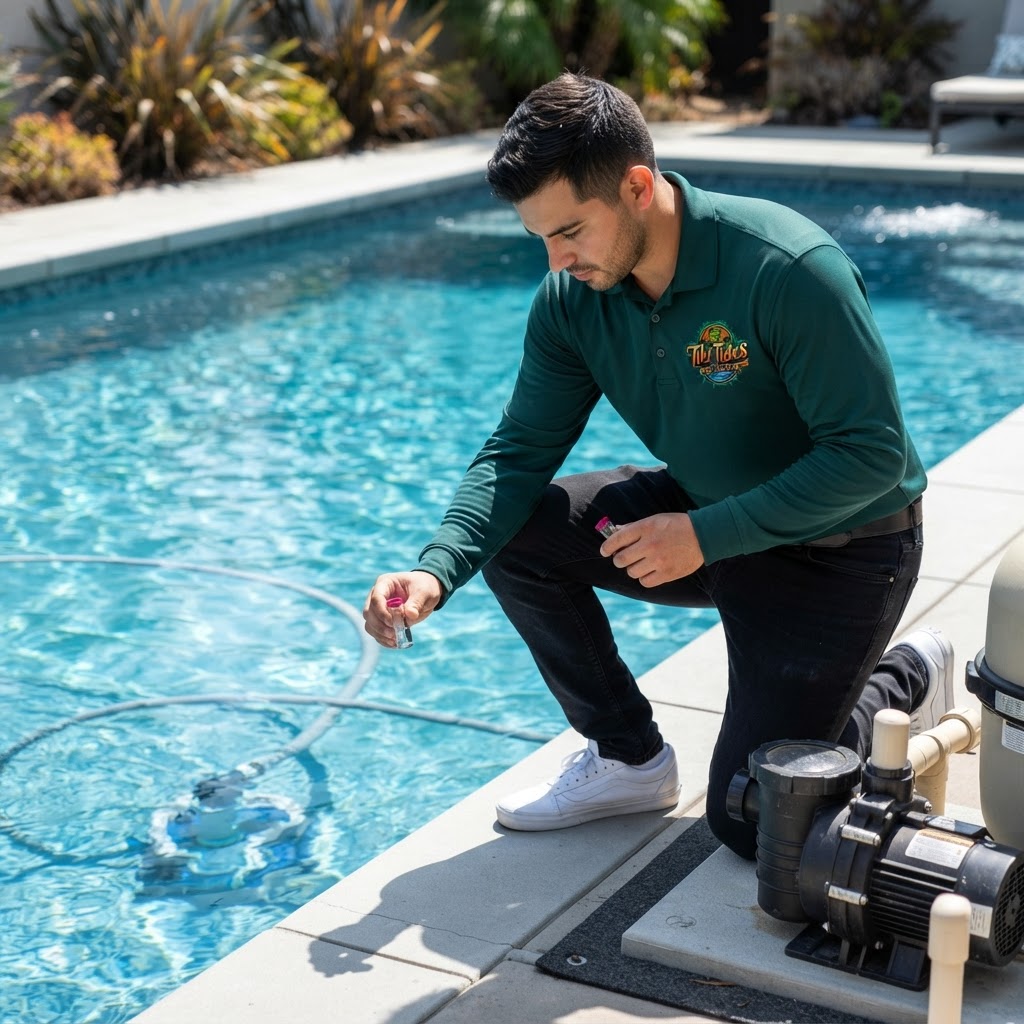
During a heat wave, your standard weekly testing is no longer sufficient. You should test your water daily—ideally in the early morning before the sun begins to bake the water. Maintaining the following industry-standard ranges is critical for safety and clarity:
- Free Chlorine: 1.0–3.0 ppm (CDC standard). During extreme heat, aim for the higher end of this range (3.0 ppm) to account for rapid burn-off.
- pH: 7.2–7.8 (CDC standard). High heat often causes pH to rise; if it exceeds 7.8, your chlorine becomes significantly less effective.
- Total Alkalinity: 80–120 ppm. This acts as a buffer for your pH.
- Cyanuric Acid (CYA): 30–50 ppm. Think of CYA as sunscreen for your chlorine. Without it, you will struggle to maintain a residual sanitizer level.
- Calcium Hardness: 200–400 ppm.
Pro Tip: If you are using a salt chlorine generator, be aware that these systems often struggle to keep up with the chlorine demand of a 100°F+ day. You may need to supplement with liquid chlorine or increase your generator's output percentage temporarily to maintain the 1.0–3.0 ppm range.
For more tips on managing your pool during the peak of the season, check out our guide on Summer Pool Maintenance: Beating the Heat for a Crystal Clear Season.
Managing Evaporation and Water Levels
Evaporation is one of the most visible signs of heat stress. When water levels drop below the midpoint of the skimmer intake, the pump can suck in air. This leads to a loss of prime, which can cause the pump motor to overheat and fail.
- Check Levels Daily: Ensure the water remains at the halfway point of the skimmer tile.
- Use a Solar Cover: While it sounds counterintuitive to use a "heater" cover in summer, a solar cover (or a liquid solar blanket) acts as a physical barrier that can reduce evaporation by up to 95%.
- Top Off at Night: If you need to add water, do so in the evening to minimize immediate evaporation loss.
Protecting Your Pool Equipment
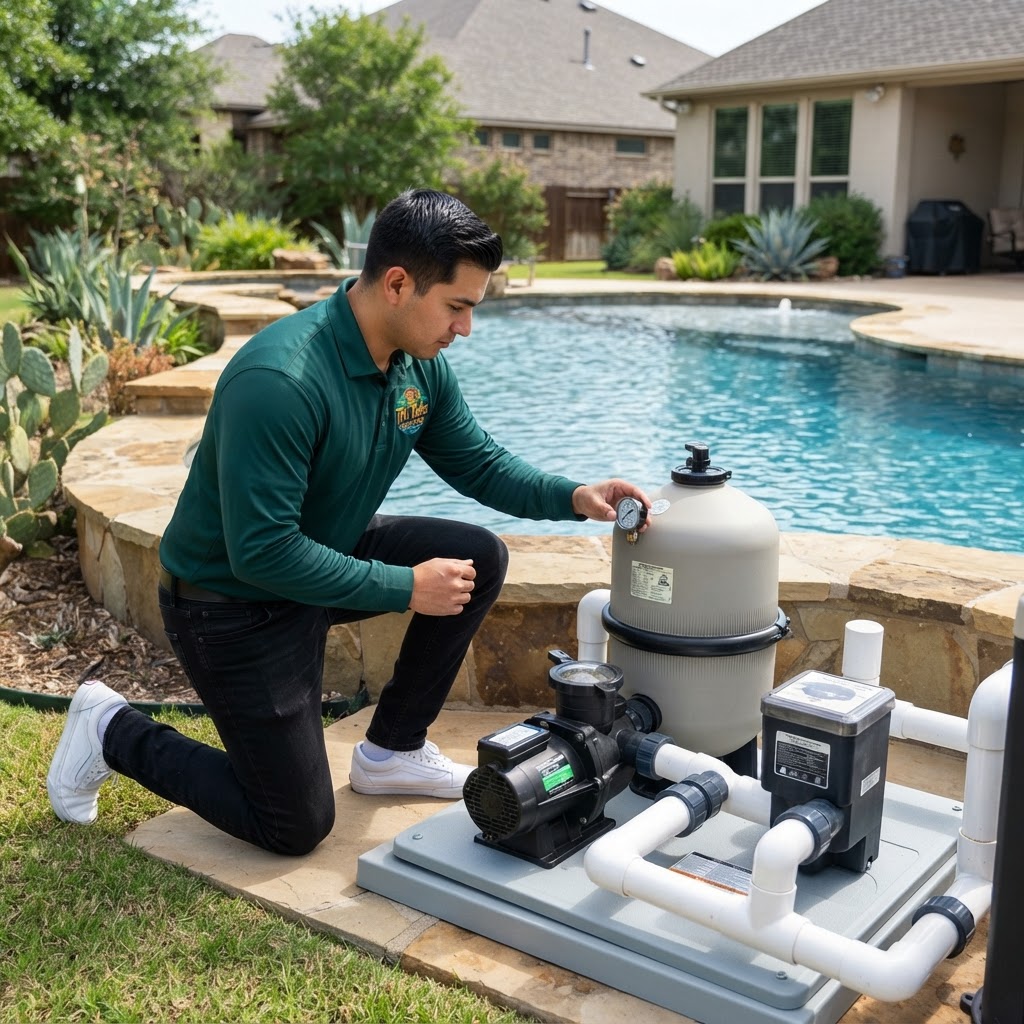
Your pool pump and filter are the heart of your system, and they work harder during a heat wave. High ambient temperatures can cause motors to cycle off due to thermal overload.
- Increase Circulation Time: Run your pump longer—ideally 24 hours a day during the peak of the heat wave—to ensure constant filtration and chemical distribution.
- Provide Shade: If your equipment pad is in direct sunlight, consider installing a ventilated equipment cover or a small shade structure. Ensure there is plenty of airflow to prevent heat buildup around the motor.
- Clean the Filters: A dirty filter increases backpressure, making the pump work harder and run hotter. Ensure your filter is clean before the heat wave hits.
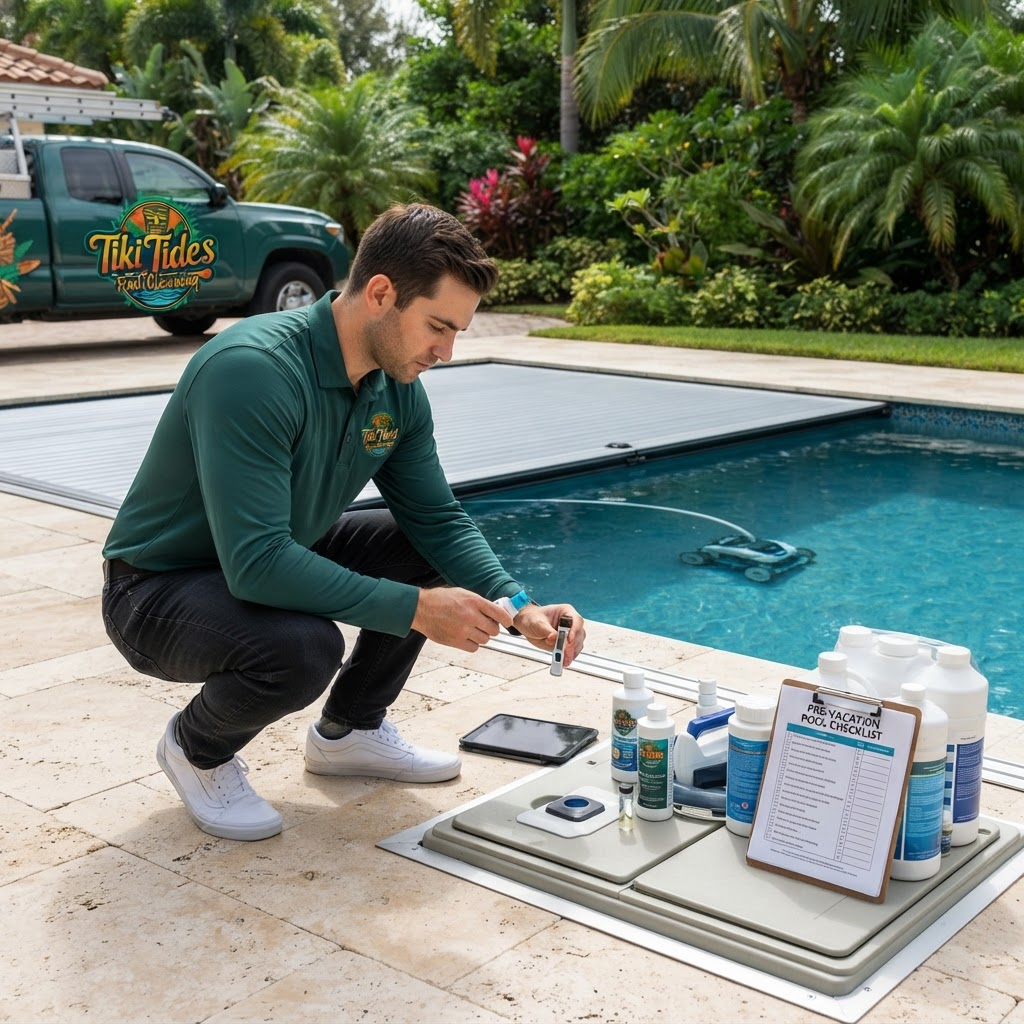
If you are planning to be away during a hot spell, make sure to follow our Vacation Pool Care: What to Do Before You Leave guide to prevent coming home to a swamp.
Quick Reference: Heat Wave Checklist
- Test Frequency: Daily (Morning and Evening).
- Pump Run Time: 18–24 hours.
- Brushing: Brush walls and floors every 48 hours to disrupt algae growth.
- Water Level: Mid-skimmer (check every 24 hours).
- Shocking: Consider a preventative shock treatment in the evening if the pool had a heavy swimmer load or if the temperature exceeded 95°F.
Safety Notes
- Chemical Storage: Store all pool chemicals in a cool, dry, and well-ventilated area. Extreme heat can cause liquid chlorine to lose potency and can cause chlorine gas to build up in sealed containers.
- Handling: Always wear gloves and eye protection when handling chemicals. Never mix different types of chlorine together.
- Hydration: Remember that pool maintenance in 100-degree weather is physically demanding. Stay hydrated and work during the cooler parts of the day.
When to Call a Professional
Sometimes, despite your best efforts, the heat wins. You should contact Tiki Tides Pools if you experience the following:
- Persistent Green Water: If you have shocked the pool and the water remains green for more than 48 hours, you may have a phosphate issue or a high demand that requires professional-grade treatment.
- Equipment Failure: If your pump motor is making a high-pitched screeching sound or refuses to turn on, it may have suffered thermal damage.
- Rapid Water Loss: If you are losing more than 1/2 inch of water per day, you may have a leak rather than just evaporation.
Summary
Protecting your pool during a heat wave requires vigilance and a slight adjustment to your normal routine. By testing daily, maintaining a solid CYA level of 30–50 ppm, and ensuring your pump runs long enough to circulate the water, you can keep your pool clear and safe. Remember, it is much easier (and cheaper) to prevent an algae bloom than it is to cure one. Stay cool, stay safe, and enjoy your crystal-clear oasis!
Related Reading
- Vacation Pool Care: What to Do Before You Leave
- Fall Pool Maintenance Guide: Preparing Your Oasis for the Off-Season
- Hurricane and Storm Pool Preparation: The Ultimate Safety Guide
- Summer Pool Maintenance: Beating the Heat for a Crystal Clear Season
- How to Close and Winterize Your Pool: The Ultimate Step-by-Step Guide