For many pool owners, the dream of a backyard oasis is often dampened by the reality of constant manual labor. From balancing chemicals to timing pump cycles and adjusting valve actuators, maintaining a pristine pool can feel like a part-time job. This is where pool automation steps in to bridge the gap between effort and enjoyment.
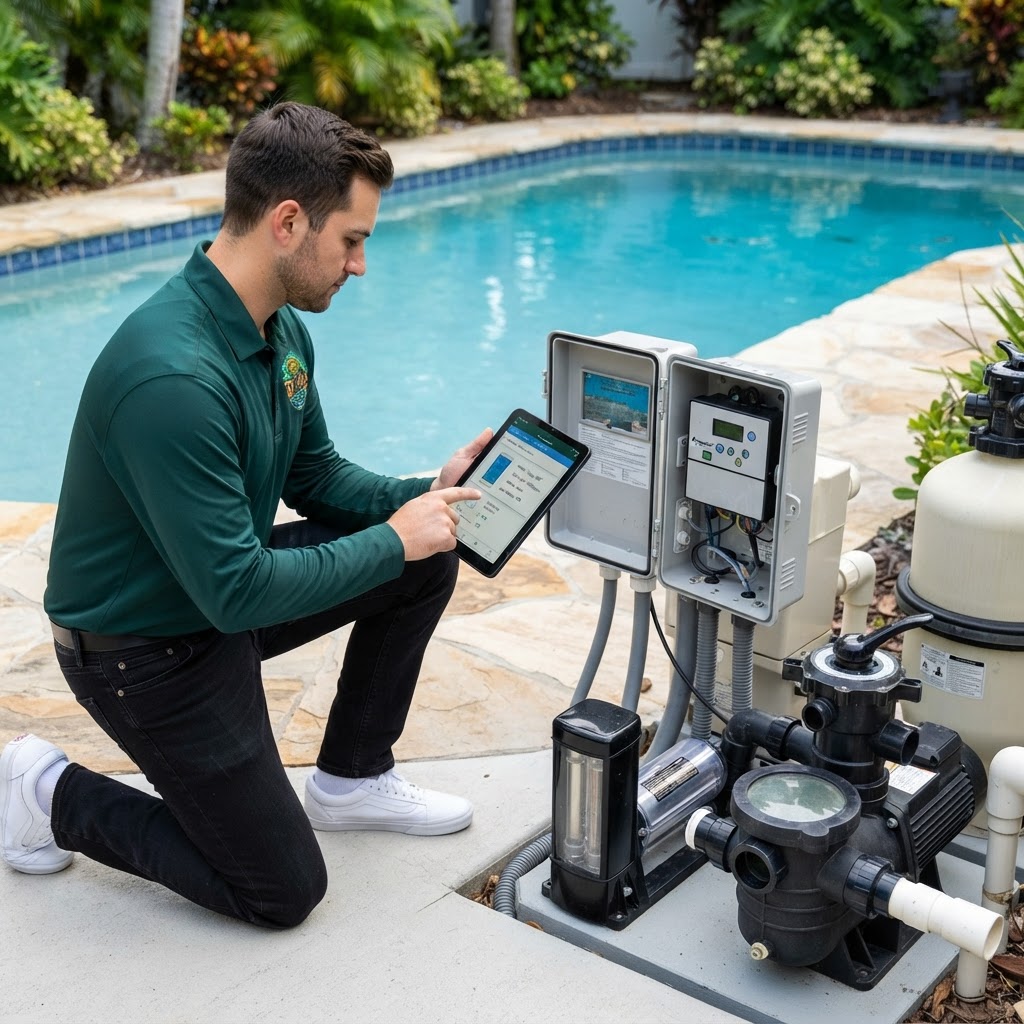
Pool automation systems are sophisticated controllers that act as the "brain" of your pool equipment pad. By integrating your pump, heater, lighting, and sanitization systems into a single interface—often controlled via a smartphone app—automation transforms how you interact with your water. In this guide, we will explore the benefits, functionality, and long-term value of investing in a smart pool system.
How Pool Automation Works
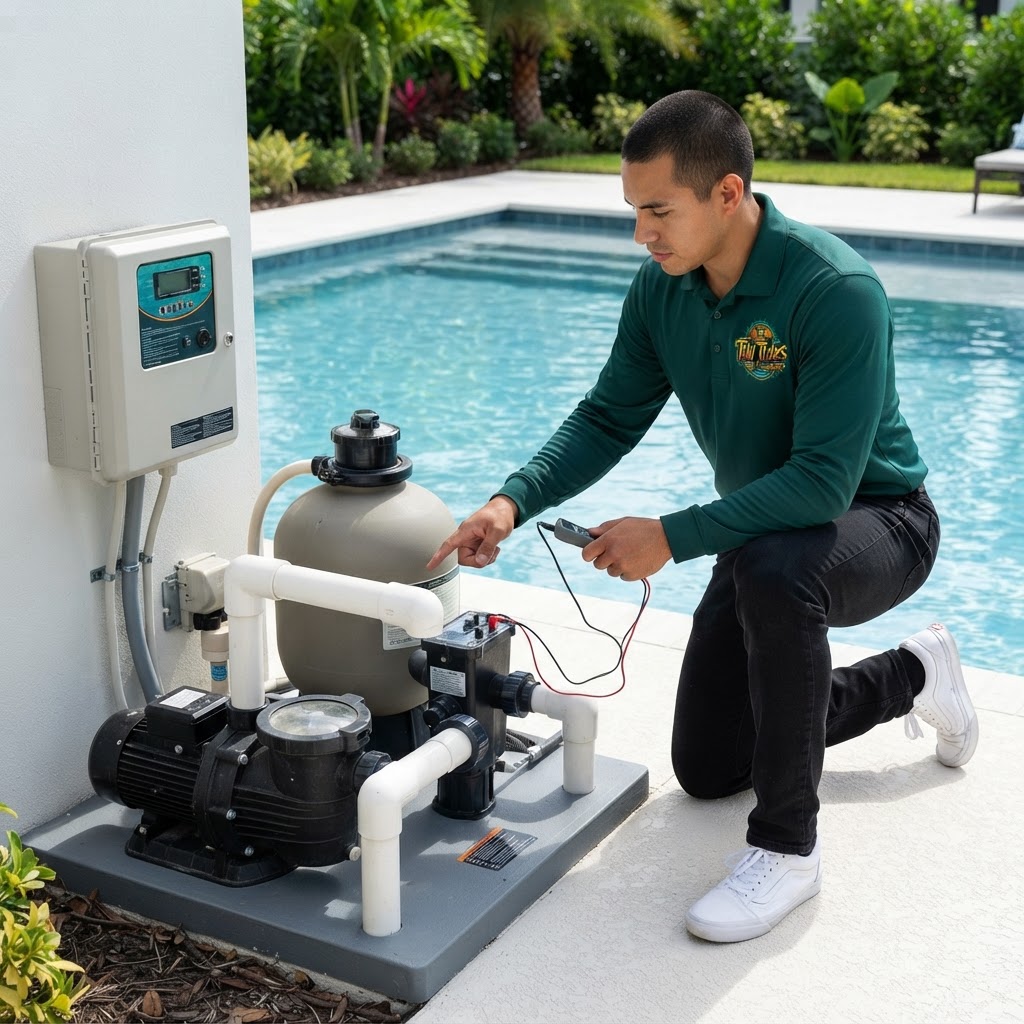
At its core, a pool automation system consists of a main control panel connected to your equipment. It uses high-voltage relays and low-voltage sensors to manage your hardware. Instead of walking outside to flip a switch or turn a valve, you can control your entire system remotely.
Modern systems can manage:
- Filtration Cycles: Automating pump run times to ensure optimal turnover.
- Heating: Pre-heating your pool or spa before you get home.
- Sanitization: Integrating with devices like a How Does a Salt Chlorine Generator Work? The Complete Science and Maintenance Guide to adjust output based on demand.
- Lighting: Scheduling light shows or changing colors for evening ambiance.
- Water Features: Activating jets, bubblers, or waterfalls with a single touch.
The Benefits of Upgrading Your Equipment
The primary value proposition of pool automation is efficiency. Many pool owners over-filter their water, leading to unnecessary electricity costs. Automation allows for "set it and forget it" scheduling, which aligns perfectly with energy-efficient variable speed pumps. If you aren't sure if your current equipment is holding you back, check out How Long Does a Pool Pump Last? Lifespan, Warning Signs, and Maintenance Tips to see if an upgrade is overdue.
Furthermore, automation reduces the margin for human error. By ensuring that your sanitation and circulation systems run consistently, you maintain a more stable chemical environment. This is critical for preventing issues like algae growth or equipment corrosion caused by imbalanced water.
Pro Tip: When installing pool automation, ensure your installer sets up "freeze protection" sensors. This feature automatically triggers your pumps to run when ambient temperatures drop near freezing, preventing costly damage to your plumbing and equipment during winter months.
Maintaining Water Chemistry with Automation
Even with an automated system, your primary responsibility remains monitoring water balance. Automation systems make the process easier, but they do not replace the need for regular testing. Always aim for these industry-standard ranges:
- Free Chlorine: 1.0–3.0 ppm (CDC standard)
- pH: 7.2–7.8 (CDC standard)
- Total Alkalinity: 80–120 ppm
- Calcium Hardness: 200–400 ppm
- Cyanuric Acid (CYA): 30–50 ppm
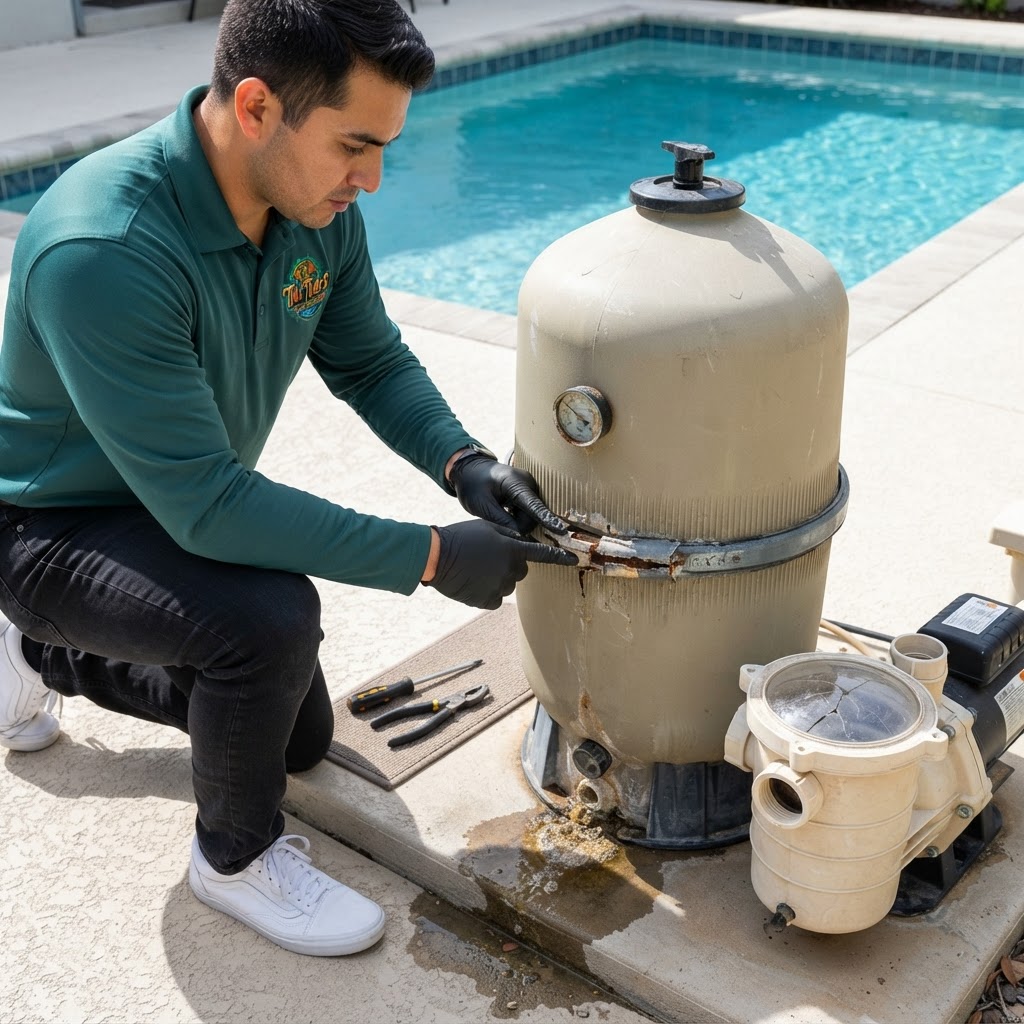
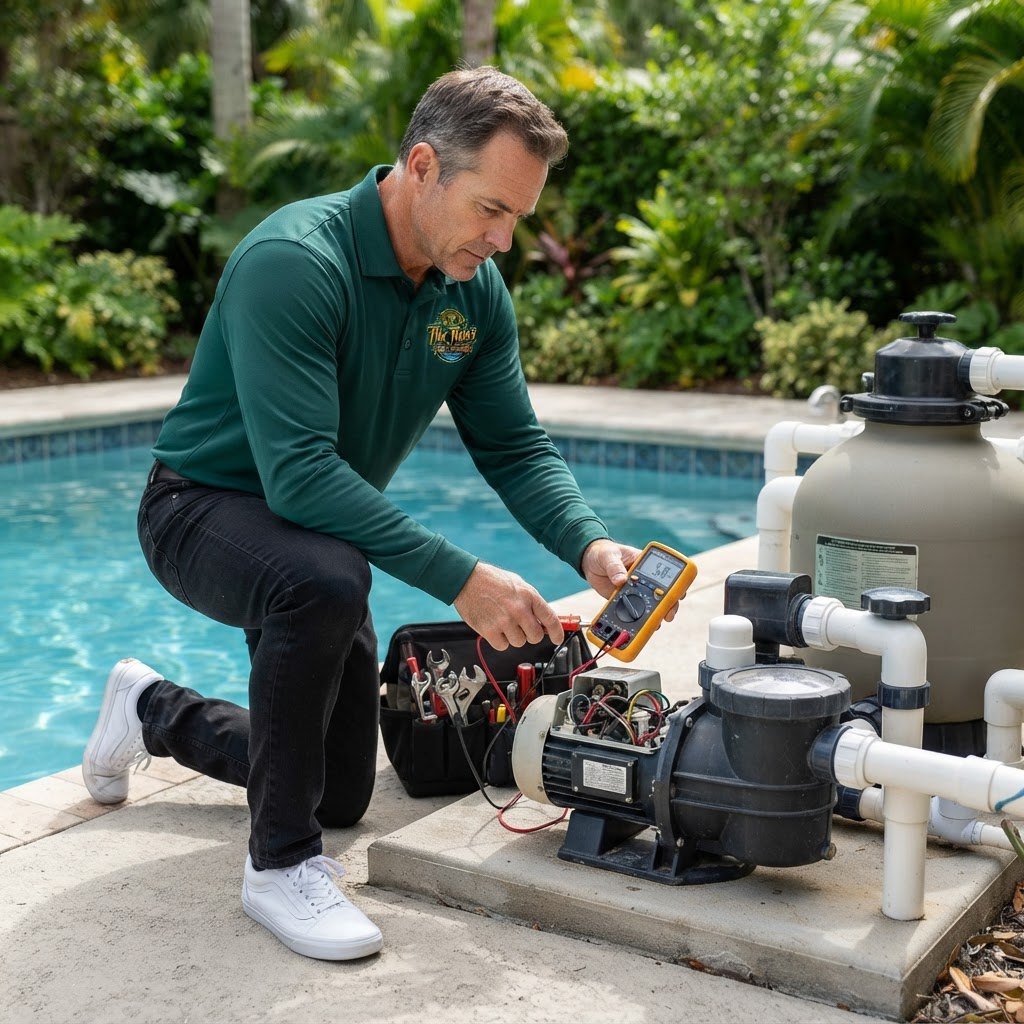
If you notice your automation system is struggling to maintain these levels, it may be time to inspect your hardware. You can learn more about identifying failing parts in Signs Your Pool Pump Is Going Bad: How to Diagnose and Fix Circulation Failures.
Safety Notes
- Electrical Hazard: Always turn off main power at the breaker before opening any automation control panel or attempting to wire equipment.
- Chemical Handling: Automation systems use sensors that measure water chemistry. Do not rely solely on these sensors; manually test your water weekly with a reliable test kit to verify the sensors are calibrated correctly.
- Equipment Installation: If your pool automation system includes a heater or salt cell, ensure they are bonded and grounded per local electrical codes to prevent electrolysis or shock hazards.
When to Call a Professional
While some homeowners are comfortable with basic "smart home" setups, pool automation involves high-voltage electrical work and complex plumbing integration. You should contact a professional from Tiki Tides Pools if:
- System Faults: You see error codes on your controller that persist after a reboot.
- Compatibility Issues: You are unsure if your existing pump or heater is compatible with a new automation controller.
- Sensor Failure: Your system is reading inaccurate chemical levels, which could lead to unsafe water conditions.
- Complex Installations: You need to integrate valve actuators for multi-body systems (e.g., pool and spa combinations).
Summary
Is pool automation worth it? For most pool owners, the answer is a resounding yes. The initial investment pays dividends in energy savings, extended equipment life, and the sheer convenience of managing your backyard from your smartphone. By pairing an automated system with high-quality, efficient equipment, you spend less time troubleshooting and more time enjoying your Tiki Tides pool.
Related Reading
- Signs Your Pool Filter Needs Replacement: A Guide by Tiki Tides Pools
- How Does a Salt Chlorine Generator Work? The Complete Science and Maintenance Guide
- How Long Does a Pool Pump Last? Lifespan, Warning Signs, and Maintenance Tips
- Signs Your Pool Pump Is Going Bad: How to Diagnose and Fix Circulation Failures
- How to Prime a Pool Pump: A Step-by-Step Guide to Restoring Suction