Your pool filter is the unsung hero of your backyard oasis. It works tirelessly to remove debris, oils, and microscopic contaminants, ensuring that your water remains safe and inviting for you and your family. However, like all mechanical equipment, filters have a finite lifespan. Ignoring a failing filter doesn't just lead to a cloudy_pool; it forces your pump to work harder, increasing your energy bills and accelerating wear on other components.
At Tiki Tides Pools, we often see homeowners struggle with water chemistry issues that are actually symptoms of failing filtration. If you find yourself cleaning your filter more frequently or noticing that your water never quite achieves that "sparkling" look despite having perfect chemical levels, it may be time for an upgrade. In this guide, we will break down the telltale signs that your pool filter needs replacement and how to diagnose the issue before it causes a major breakdown.
1. Frequent Backwashing or Cleaning
If you find yourself cleaning your cartridge filter or backwashing your sand/DE filter every few days instead of every few weeks, you have a problem. While high bather loads or storms can temporarily increase debris, a filter that loses pressure or becomes "clogged" constantly is a sign that the filter media is spent.
- Sand Filters: The sand grains become rounded over time (usually 5-7 years) and lose their ability to trap dirt.
- Cartridge Filters: The fabric pleats break down, lose their structure, or become permanently clogged with oils and calcium.
- DE Filters: The internal grids may have tears or the manifold may be compromised, preventing proper filtration.
2. High or Low Pressure Gauge Readings
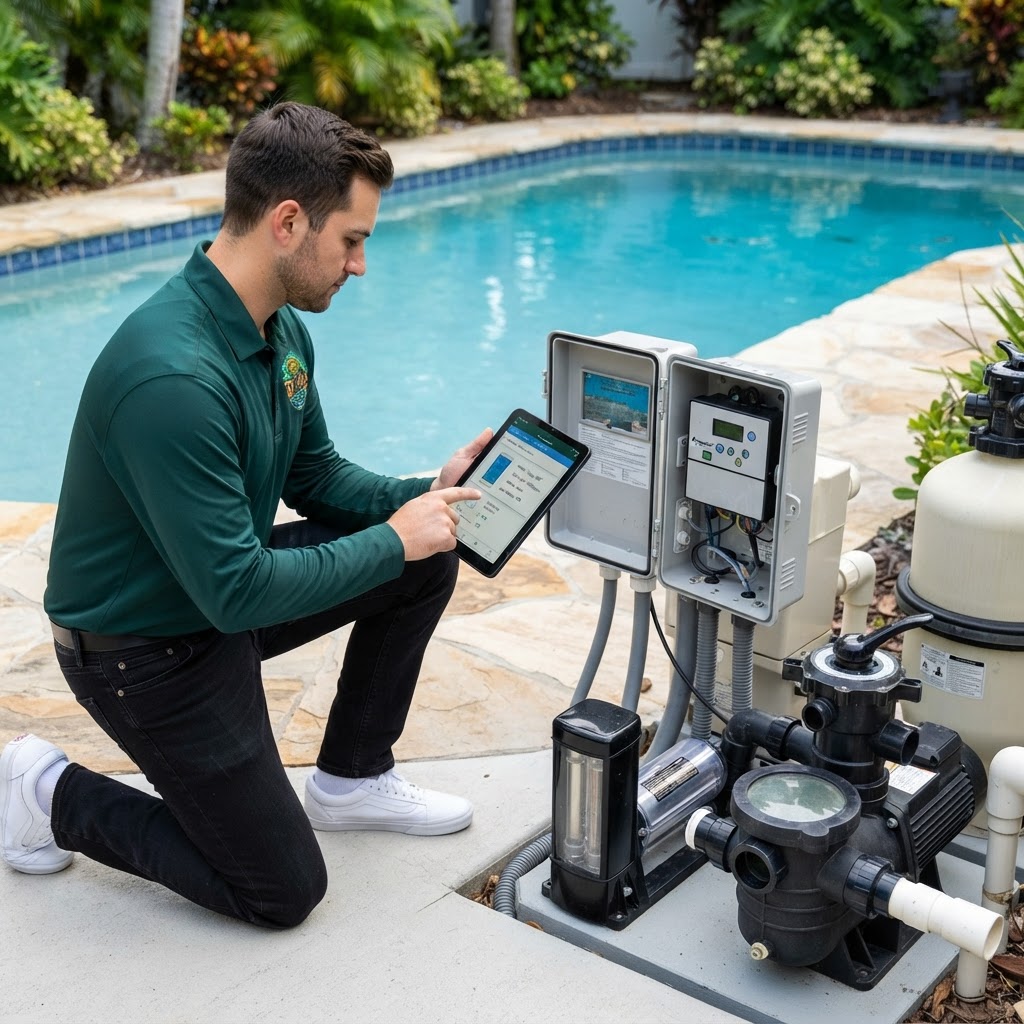
Your pressure gauge is your filter's primary diagnostic tool. After cleaning or backwashing, you should have a "clean" starting pressure. If your pressure is consistently 8-10 PSI above that starting point, your filter is restricted. Conversely, if your pressure is consistently low, water may be bypassing the filter media entirely, which means it isn't cleaning your water at all.
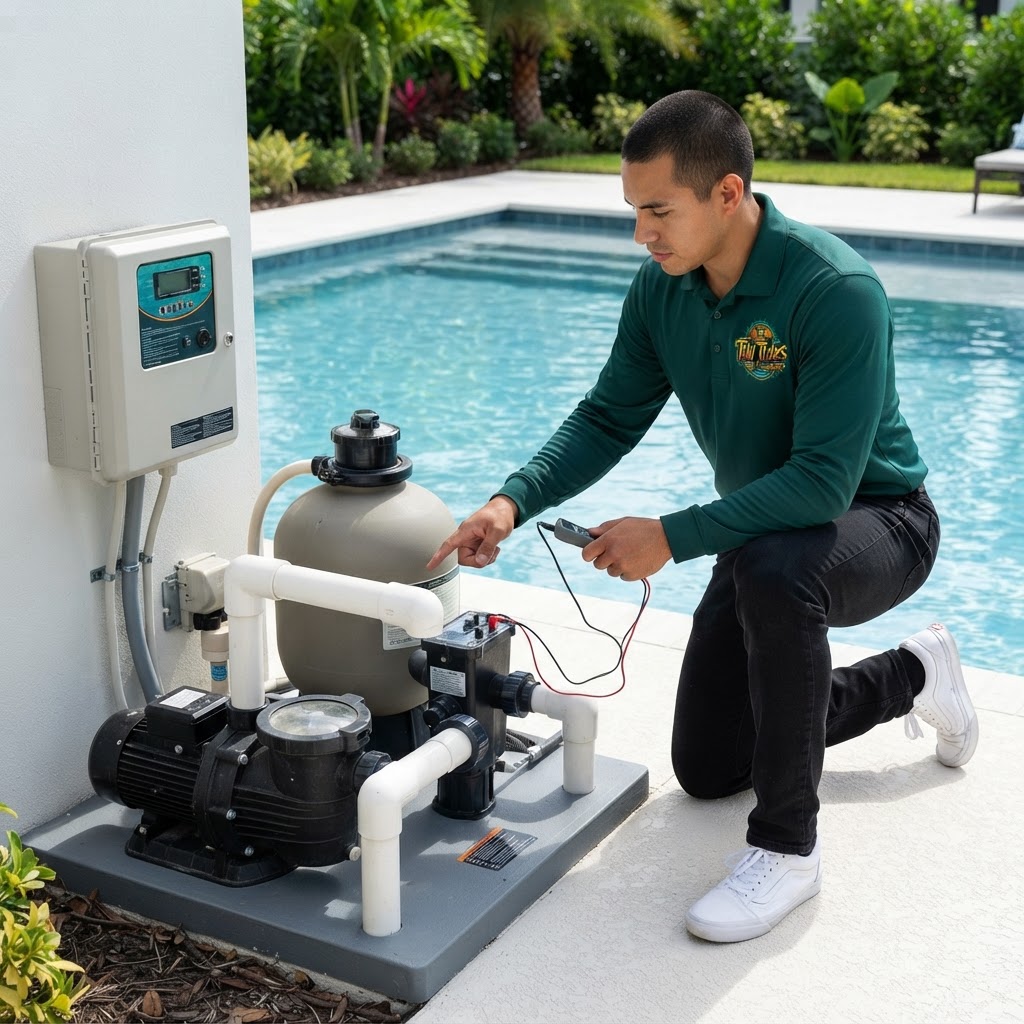
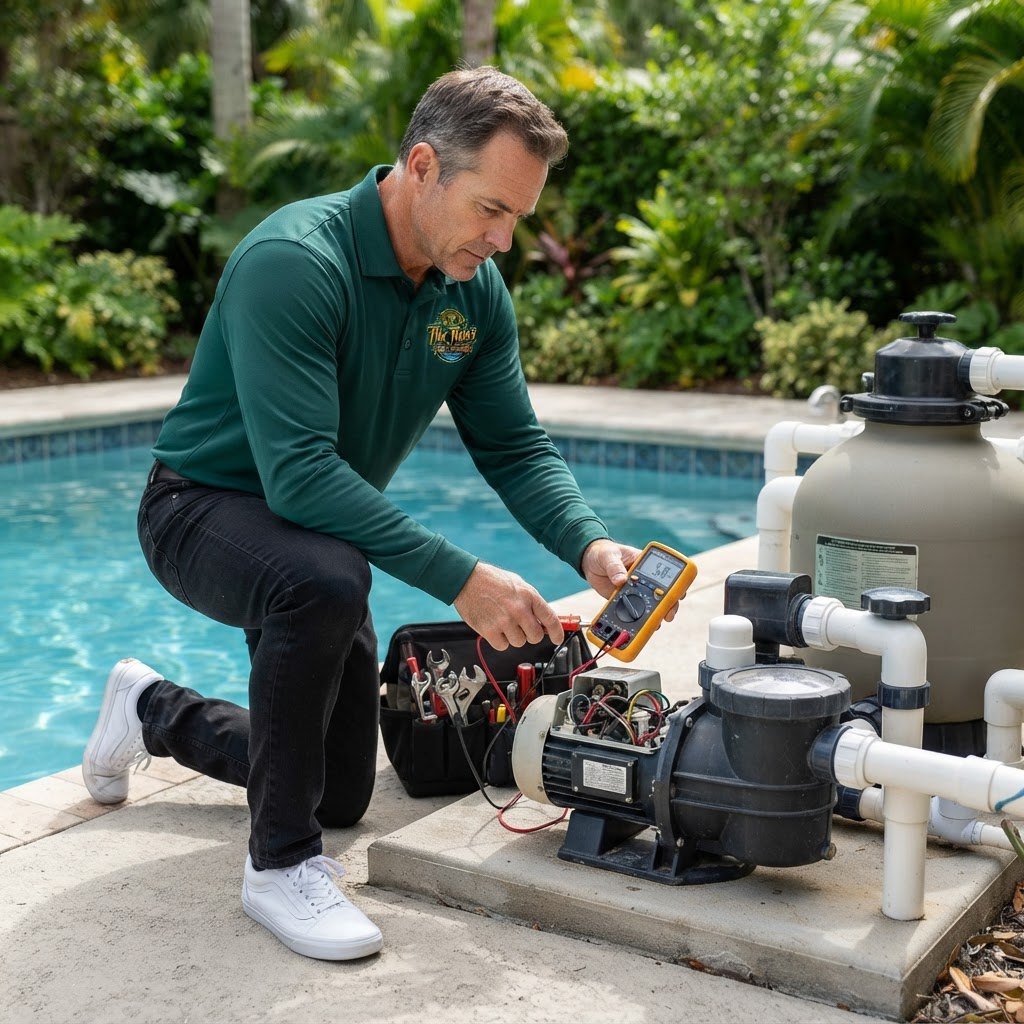
Always ensure your pool pump is in good working order first; if you suspect your pump is failing, check out our guide on Signs Your Pool Pump Is Going Bad: How to Diagnose and Fix Circulation Failures. Sometimes, what looks like a filter issue is actually a circulation restriction.
3. Debris Returning to the Pool
This is a classic sign of internal filter failure. If you see sand, DE powder, or dirt particles blowing back into the pool through the return jets, your filter media or internal components are damaged. In a cartridge system, this usually means the cartridge has a hole or the end caps are damaged. In sand or DE filters, it often points to a broken lateral or a damaged manifold.
Pro Tip: Never assume a "dirty" pool is just a chemical imbalance. Always inspect your filter pressure and the condition of your media before dumping more chemicals into the water. If your filter isn't catching the debris, your Pool Skimmer Maintenance: Keeping the Heart of Circulation Clean is even more critical to prevent large debris from reaching the filter housing.
4. Physical Damage to the Housing
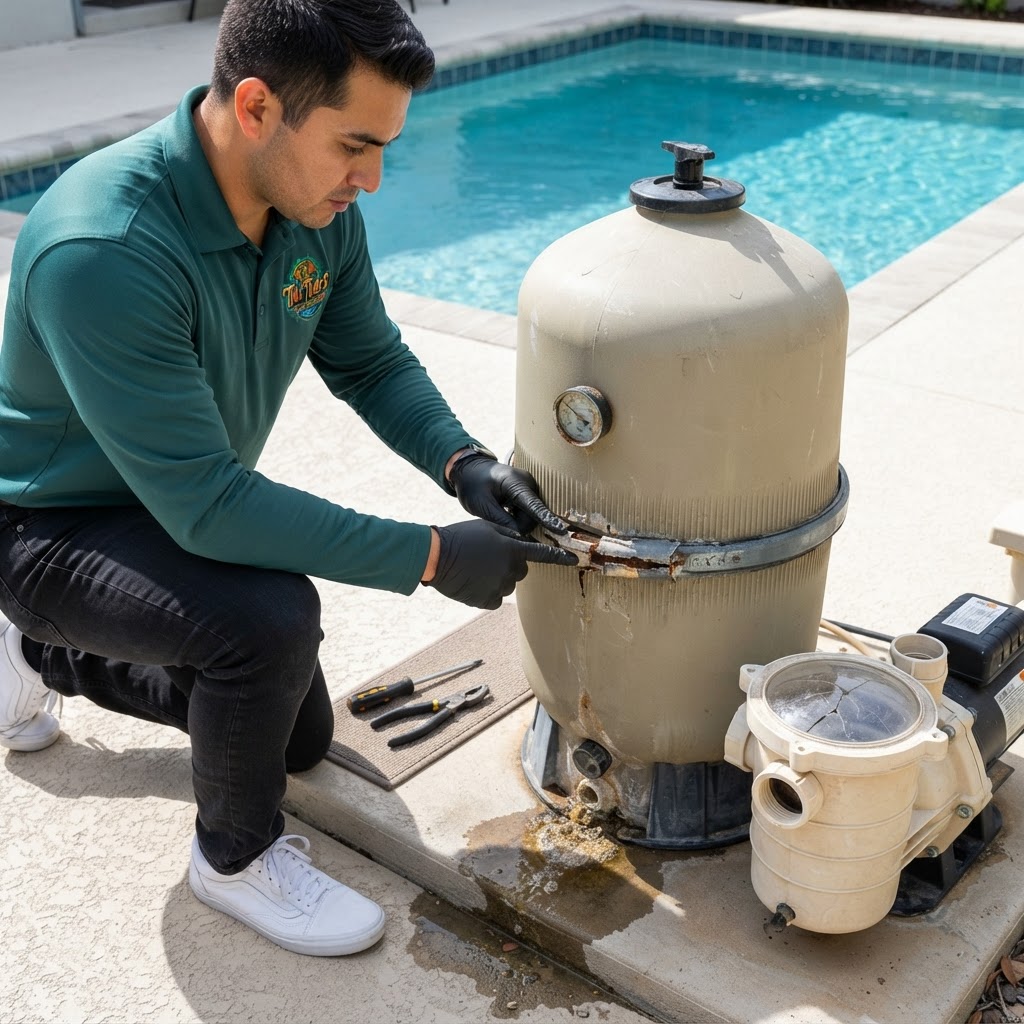
Inspect your filter tank for cracks, leaks, or "spider" webbing in the plastic. Over time, UV exposure and high pressure can cause the filter tank to become brittle. If you see water leaking from the seam of the tank or a hairline crack near the pressure gauge, this is a major safety hazard. Do not attempt to patch a cracked filter tank with epoxy. The pressure involved can cause the tank to rupture, which can be dangerous.
Safety Notes
Safety is paramount when dealing with pool equipment. Before performing any inspection or maintenance:
- Power Down: Always turn off your pool pump and turn off the power at the breaker before opening the filter tank or touching any plumbing.
- Relieve Pressure: Use the air relief valve on the top of your filter to release trapped air before attempting to open the tank clamp or lid.
- Chemical Ranges: When troubleshooting, ensure your water chemistry is within the recommended ranges to rule out algae blooms caused by chemical neglect:
- Free Chlorine: 1.0–3.0 ppm
- pH: 7.2–7.8
- Total Alkalinity: 80–120 ppm
- Calcium Hardness: 200–400 ppm
- Cyanuric Acid (CYA): 30–50 ppm
When to Call a Professional
While some maintenance tasks are DIY-friendly, certain situations require the expertise of a professional at Tiki Tides Pools:
- Tank Cracks: If your filter tank is cracked, it must be replaced immediately for safety.
- Internal Manifold/Lateral Repair: Opening a filter to replace internal grids or laterals can be complex. If not seated correctly, your filter will not function.
- System Upgrades: If you are considering switching from a sand filter to a more efficient cartridge or DE system, a professional can ensure the plumbing and pump flow rate are compatible.
- Persistent Cloudy Water: If you have ruled out all mechanical issues and your water is still cloudy, we can perform a professional water analysis to address complex chemical issues.
Summary
A healthy filter is essential for a clean, safe pool. By monitoring your pressure gauge, keeping an eye on water clarity, and inspecting your equipment for physical wear, you can catch problems early. If you notice signs of failure, don't wait until the water turns green or the system fails—contact the team at Tiki Tides Pools to get your filtration system back in top shape.
Related Reading
- How Does a Salt Chlorine Generator Work? The Complete Science and Maintenance Guide
- How Long Does a Pool Pump Last? Lifespan, Warning Signs, and Maintenance Tips
- Signs Your Pool Pump Is Going Bad: How to Diagnose and Fix Circulation Failures
- How to Prime a Pool Pump: A Step-by-Step Guide to Restoring Suction
- Pool Skimmer Maintenance: Keeping the Heart of Circulation Clean