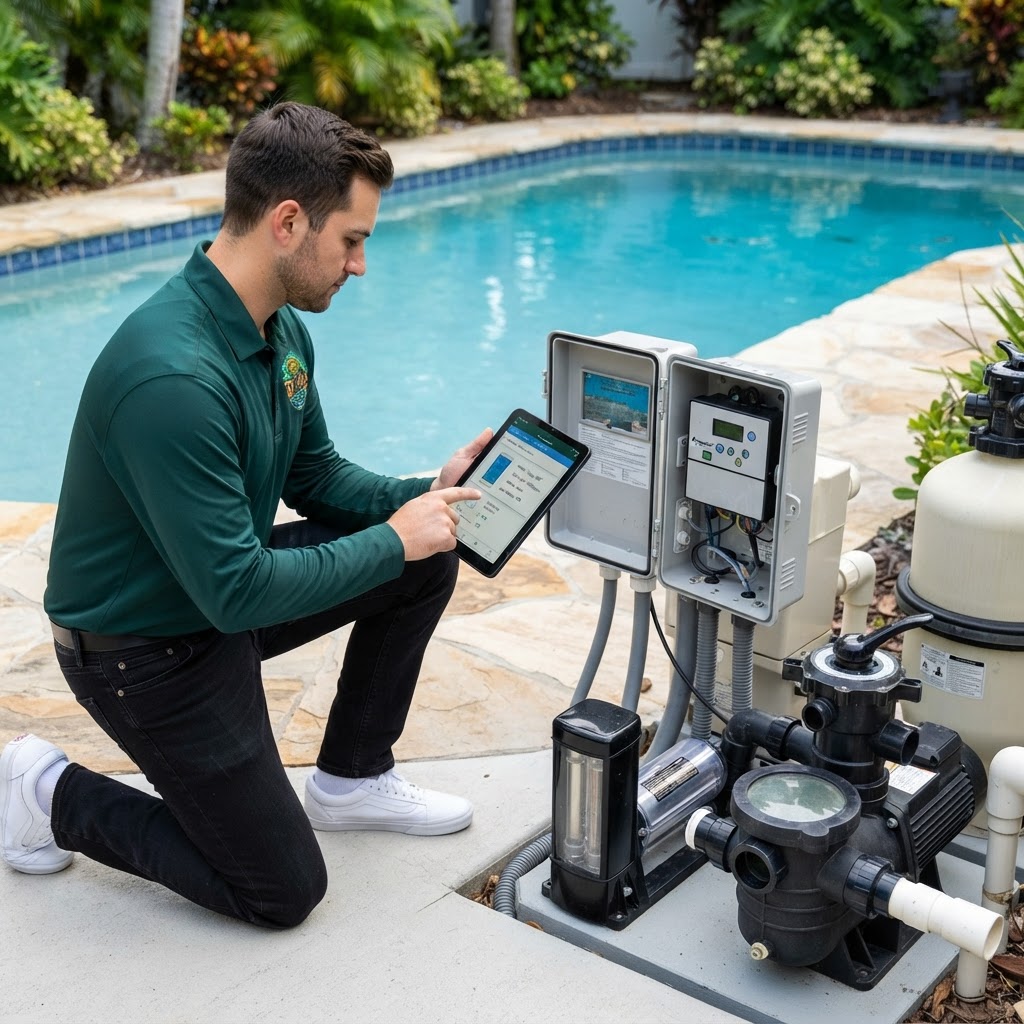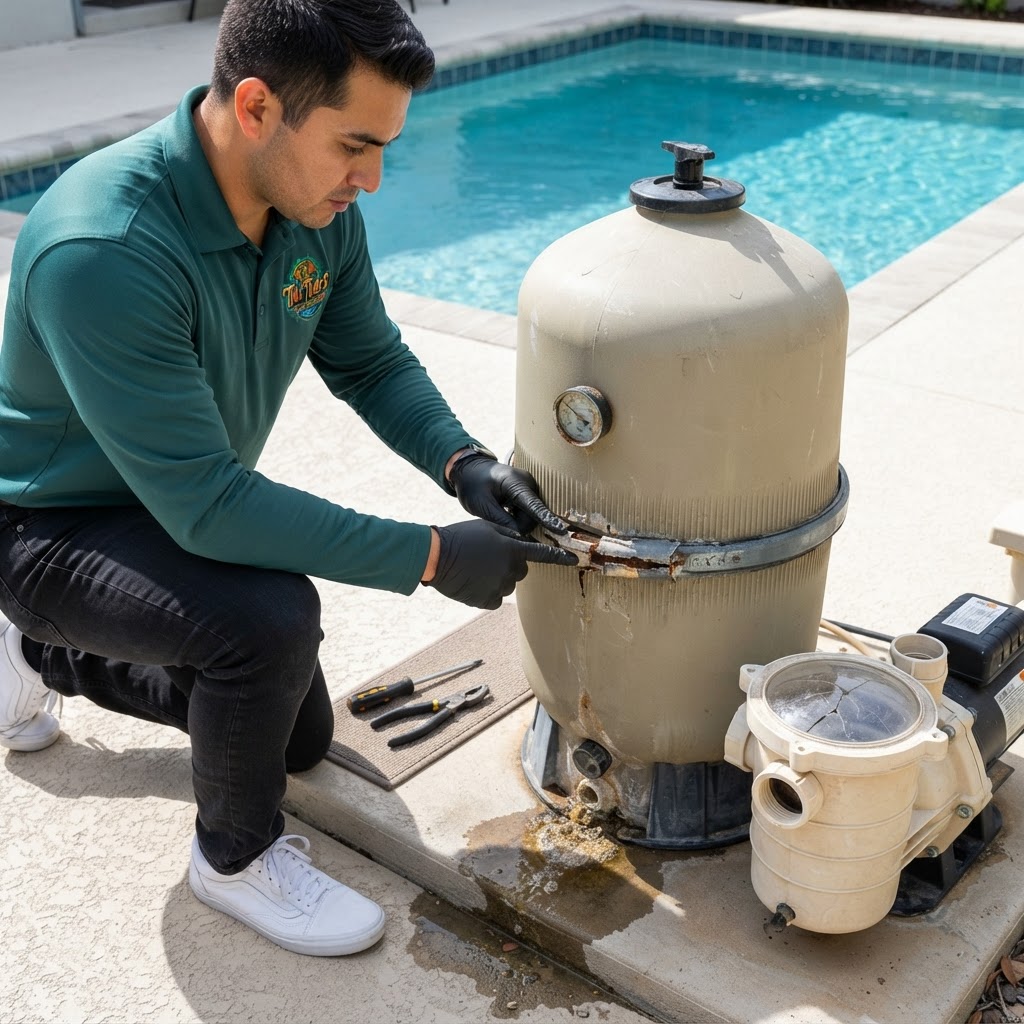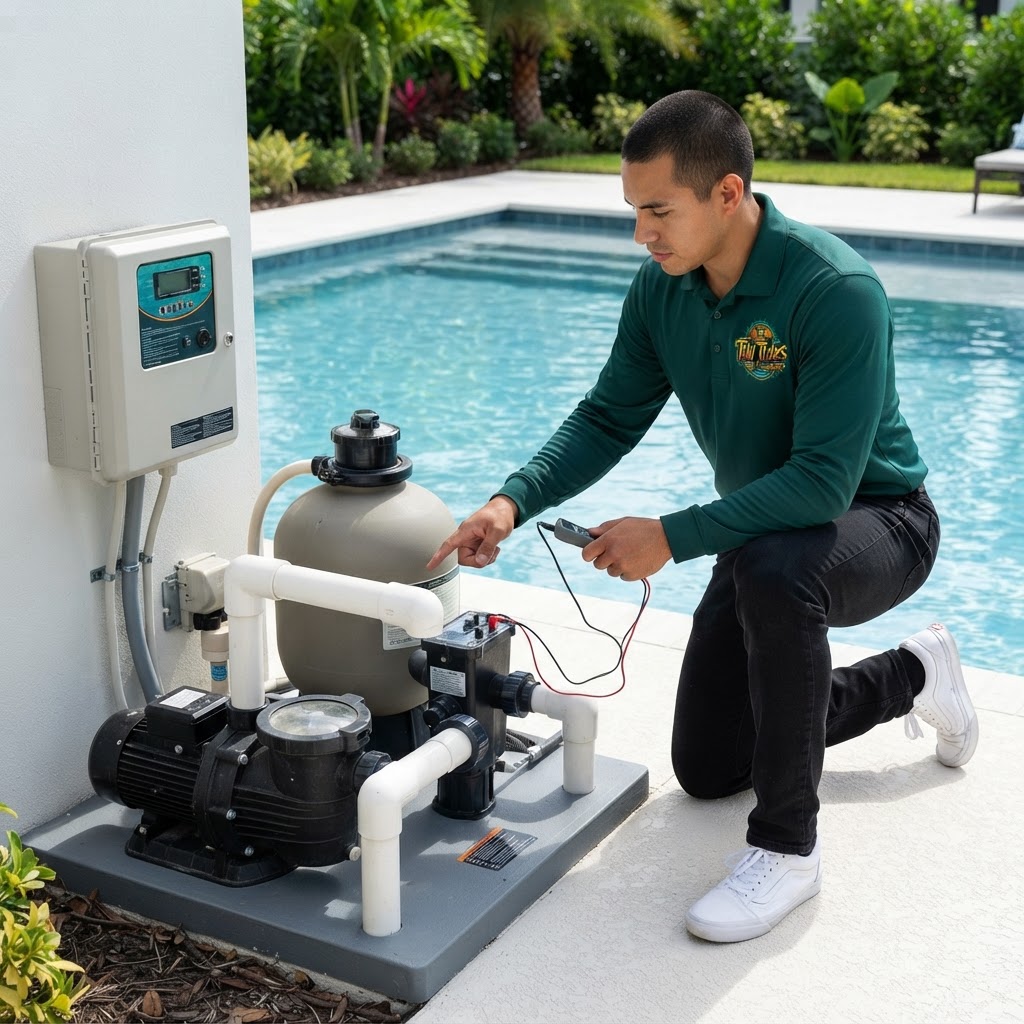
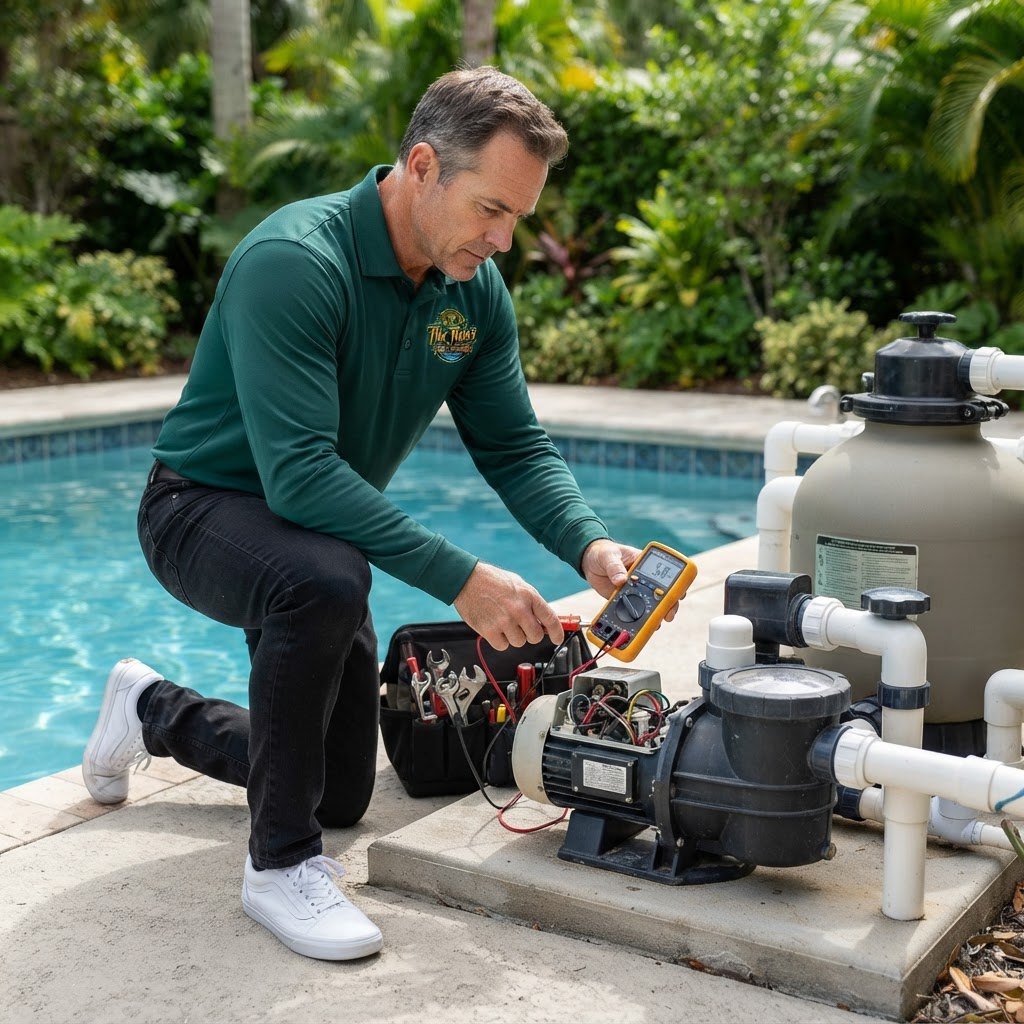
The pool pump serves as the beating heart of your entire pool circulation and filtration setup. Day in and day out, it pulls water from your main drains and skimmers, pushes it through the filter, passes it by heaters or chlorinators, and returns crystal-clear water back to your pool basin. Because this workhorse endures thousands of hours of high-pressure circulation in harsh outdoor environments, every pool owner eventually asks the same critical question: how long does a pool pump last?
Understanding the expected lifespan of your pool equipment is vital for routine budgeting and proactive backyard care. When a pump begins to degrade or fails suddenly, water circulation stops immediately. Without regular movement and chemical dispersal, sanitizing agents deteriorate, algae blooms rapidly take hold, and equipment like filters and heaters can suffer downstream damage.
In this comprehensive guide, we will break down the typical pool pump life expectancy, look closely at the components that wear out first, uncover the factors affecting longevity, and provide actionable maintenance steps to protect your investment for years to come.
Average Pool Pump Lifespan: What to Expect
On average, a quality swimming pool pump lasts between 8 and 12 years, with some high-end, meticulously maintained models running smoothly for up to 15 years. However, a complete pool pump is made of two primary systems: the wet end (the plastic strainer basket, impeller, diffuser, and outer housing) and the dry end (the electric motor).
Here is how lifespan typically breaks down across various pump components and models:
- Pump Housing & Wet End: 10 to 15 years. The heavy-duty thermoplastic body resists corrosion, UV exposure, and water pressure very well over time.
- Standard Single-Speed Pump Motors: 6 to 10 years. Single-speed motors run continuously at high RPMs (~3450 RPM), placing constant mechanical and thermal strain on internal windings and bearings.
- Variable Speed Pumps (VSP): 10 to 15 years. Because variable-speed units utilize ultra-efficient permanent magnet motors (often Totally Enclosed Fan-Cooled, or TEFC) and run at significantly lower speeds during daily maintenance cycles, they generate far less heat and mechanical wear. To discover if modernizing makes financial sense for your pool, read Save Big on Energy: Are Variable Speed Pool Pumps Actually Worth It?.
Key Factors That Impact How Long Your Pool Pump Lasts
A pump rarely fails simply because of old age. Most premature pump breakdowns are caused by preventable external stressors:
1. Water Flow Restrictions & Starvation
Restricted flow forces your pump motor to work harder against elevated head pressure, drawing excessive electrical amperage and generating damaging internal heat. A clogged skimmer basket, packed pump strainer, or fouled filter grid starves the impeller of water. Regular Pool Skimmer Maintenance: Keeping the Heart of Circulation Clean ensures adequate water volume flows freely into the system.
2. Water Chemistry and Corrosion
Corrosive or scaling water ruins mechanical shaft seals, destroying the barrier keeping high-pressure water away from the motor's metal armature shaft. When water chemistry drifts outside standard parameters, internal components degrade quickly. Always adhere strictly to EPA and CDC-recommended water balance ranges:
- Free Chlorine: 1.0–3.0 ppm
- pH: 7.2–7.8
- Total Alkalinity: 80–120 ppm
- Calcium Hardness: 200–400 ppm
- Cyanuric Acid (CYA): 30–50 ppm
3. Run Times and Operating Speeds
Running a high-draw single-speed pump 24/7 in an extreme climate accelerates bearing fatigue. Sizing the pump properly to ensure adequate water turnover (typically 1 to 2 complete turnovers daily) without running the equipment into excessive overwork will prolong its operating life.
4. Environmental Elements and Ventilation
Pool equipment exposed to unrelenting sun, heavy rain splashback, yard irrigation spray, or accumulated mulch and debris can overheat or experience exterior rust. Adequate airflow around the motor housing is essential for internal cooling.
Warning Signs Your Pool Pump Is Approaching the End of Its Life
Recognizing problems early allows you to make timely component repairs rather than facing an unexpected total pump failure during peak swimming weather. Watch for these telltale indicators:
- Loud Screeching or Grinding Sounds: High-pitched whining or mechanical screeching indicates worn motor bearings. Once water penetrates the shaft seal, bearing grease washes out, resulting in metal-on-metal friction.
- Persistent Water Dripping: Water leaking from the underside where the motor mates to the wet housing indicates a compromised mechanical shaft seal.
- Constant Loss of Prime: If you regularly notice air bubbles churning inside the pump lid or air blowing through your return jets, the pump is pulling air through a degraded O-ring or hairline casing crack. Review How to Prime a Pool Pump: A Step-by-Step Guide to Restoring Suction to troubleshoot persistent suction troubles.
- Motor Cycling On and Off (Thermal Overheating): Electric motors feature built-in thermal overload protectors. If the motor runs hot due to restricted air vents, failing capacitors, or bad internal windings, it shuts off automatically.
- Tripping Breakers: A breaker that trips instantly upon starting indicates an electrical short, grounded winding, or locked impeller.
For an in-depth breakdown of these symptoms, read our comprehensive guide on Signs Your Pool Pump Is Going Bad: How to Diagnose and Fix Circulation Failures.
Actionable Tips to Extend Your Pool Pump's Lifespan
By establishing proactive maintenance habits, pool owners can readily keep their pump operating reliably past the 10-year benchmark:
- Empty Baskets Weekly: Clear leaves, pine needles, and debris from both skimmer baskets and the pump strainer basket weekly to avoid dry-running or cavitation.
- Lubricate O-Rings Seasonally: Inspect the pump lid O-ring and drain plug gaskets. Clean and lubricate them with a silicone-based or PTFE-based pool gasket lubricant (never use petroleum jelly, which degrades rubber).
- Maintain Clear Ventilation: Keep grass clippings, leaves, and landscape debris at least 12 to 18 inches away from the rear motor vents.
- Keep Water Balanced: Weekly testing of Free Chlorine (1.0–3.0 ppm) and pH (7.2–7.8) prevents acidic seal degradation and calcium scale build-up inside the impeller vanes.
- Winterize Appropriately: In freezing climates, pull both pump housing drain plugs and blow out plumbing lines to prevent freeze expansion from splitting the pump housing.
Pro Tip: Never allow your pool pump to run dry. Running a centrifugal pool pump without water for even 2 to 3 minutes can generate friction heat in excess of 200°F around the mechanical shaft seal, warping the impeller, melting the diffuser seal plate, and causing severe water intrusion into the motor.
Repair vs. Replace: Which Makes Sense?
Deciding between replacing a component and buying a whole new pump generally boils down to age and cost:
- Repair the Pump If: The pump housing is structurally sound, the unit is under 5–7 years old, and the issue is an isolated part (such as a replacement capacitor, shaft seal, or pump basket lid).
- Replace the Pump If: The pump is more than 8–10 years old, the motor has burned out, the housing is cracked, or your existing system is an inefficient single-speed model. Installing a modern variable-speed pump can lower pump-related electrical consumption by up to 70–80%, quickly paying for itself over its lifetime.
Safety Notes
Pool pump maintenance involves high-voltage electricity and pressurized water lines. Always observe these safety rules:
- Cut Power at the Breaker: Never inspect, open, clean, or service any electrical pool pump components without turning off the dedicated circuit breaker first.
- Relieve Pressure Before Opening: Always open the filter manual air relief valve before unscrewing the pump strainer lid or disassembling plumbing.
- Check Grounding and Bonding: Ensure the solid copper bonding wire securely connects to the bonding lug on the pump motor to protect swimmers against stray electrical currents.
When to Call a Professional
While emptying strainer baskets and cleaning lids are straightforward DIY tasks, complex mechanical and electrical issues demand expert service. Contact a licensed pool equipment technician if you notice:
- Circuit breakers that trip repeatedly upon starting
- Burning electrical odors or smoke near the motor
- Need for shaft seal or motor bearing replacement requiring full motor teardown
- Sizing calculations for upgrading your pool pump to meet hydraulic flow requirements without damaging filters or heaters
Summary
So, how long does a pool pump last? In most residential setups, you can depend on a pool pump to operate reliably for 8 to 12 years, with variable-speed units frequently reaching the 15-year mark when properly cared for. By maintaining ideal water balance, regularly clearing strainer baskets, protecting against air leaks, and ensuring adequate motor ventilation, you can protect your equipment investment and keep your pool running smoothly season after season.
Related Reading
- Signs Your Pool Pump Is Going Bad: How to Diagnose and Fix Circulation Failures
- How to Prime a Pool Pump: A Step-by-Step Guide to Restoring Suction
- Pool Skimmer Maintenance: Keeping the Heart of Circulation Clean
- Save Big on Energy: Are Variable Speed Pool Pumps Actually Worth It?
- Pool Heater Troubleshooting: How to Fix Common Heating Problems