Every pool owner knows the frustration of walking out to the backyard only to find water that looks a bit hazy or, worse, has a distinct green tint. You might even notice a strong, pungent "chlorine" smell. Contrary to popular belief, that smell doesn't mean there is too much chlorine; it actually means your pool is struggling with "combined chlorine" and needs a shock treatment immediately.
Shocking your pool—also known as super-chlorination—is a critical maintenance task that goes beyond your daily sanitation routine. While your standard chlorine levels keep bacteria at bay, shocking provides the heavy-duty oxidation necessary to break down organic contaminants and kill resistant algae. At Tiki Tides Pools, we believe that understanding the science behind shocking is the key to a stress-free swimming season. This guide will walk you through the why, when, and how of shocking your pool like a certified expert.
What Exactly is Pool Shocking?
In technical terms, shocking is the process of adding a large dose of oxidizing chemicals to your pool water. This serves two primary purposes: sanitation and oxidation. While chlorine is typically used to kill bacteria (sanitation), its role during a shock treatment is primarily to break apart chloramines.
Chloramines (combined chlorine) form when free chlorine reacts with nitrogen and ammonia from bather waste, such as sweat, skin oils, and urine. These chloramines are what cause skin irritation and that classic "pool smell." By raising the chlorine level to roughly 10 times the amount of combined chlorine—a process called "breakpoint chlorination"—you effectively shatter these chemical bonds, leaving your water fresh and clean. Understanding Chlorine vs Bromine: Which Sanitizer Is Right for Your Pool? can help you decide which base chemical is right for your system before you start the shocking process.
When Should You Shock Your Pool?
Shocking isn't just for emergencies; it should be a proactive part of your maintenance schedule. We recommend performing a shock treatment in the following scenarios:
- Weekly Maintenance: A routine shock once a week or every other week helps maintain clarity.
- Heavy Bather Loads: After a pool party or a weekend of heavy use, the organic load in the water increases significantly.
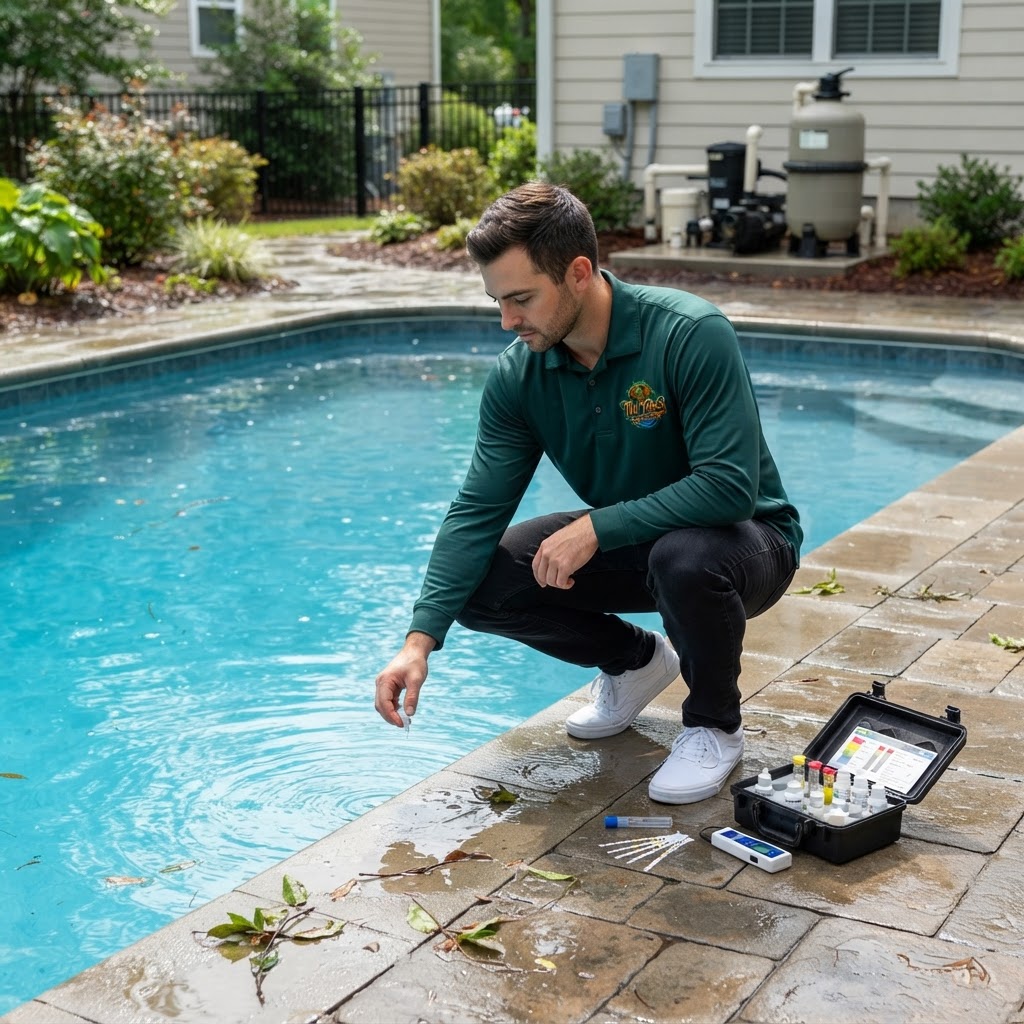
- After Heavy Rain: Rainwater brings in pollutants and can drastically alter your water chemistry.
- Visible Algae Growth: If you see green, yellow, or black spots, it's time for an aggressive shock treatment.
- Opening/Closing the Pool: Shocking is essential during these seasonal transitions to ensure the water is balanced and sanitized.
Quick Reference: Signs Your Pool Needs Shocking
- Water appears cloudy or dull.
- The water has a strong chemical odor.
- Free chlorine levels test below 1.0 ppm.
- Swimmers complain of stinging eyes or itchy skin.
- A heavy rainstorm has just passed.
Choosing the Right Type of Shock
Not all pool shocks are created equal. The type you choose depends on your pool's specific needs and current chemistry levels.
- Calcium Hypochlorite (Cal-Hypo): The most common and effective shock. It contains 65-75% chlorine. However, it will increase your calcium levels. If you are already struggling with hard water, consult our guide on Calcium Hardness: Preventing Scale and Etching in Your Pool.
- Sodium Hypochlorite (Liquid Chlorine): A powerful liquid that is easy to pour but can be heavy to transport and has a shorter shelf life.
- Potassium Monopersulfate (Non-Chlorine Shock): This is an oxidizer, not a sanitizer. It’s perfect for breaking down organic matter without raising chlorine levels, allowing you to swim just 15 minutes after treatment.
- Dichlor (Sodium Dichloro-S-Triazinetrione): These granules contain cyanuric acid (CYA). While convenient, be careful not to over-use them. Refer to Cyanuric Acid Explained: Are You Over-Stabilizing Your Pool? to avoid "chlorine lock."
How to Shock Your Pool: A Step-by-Step Guide
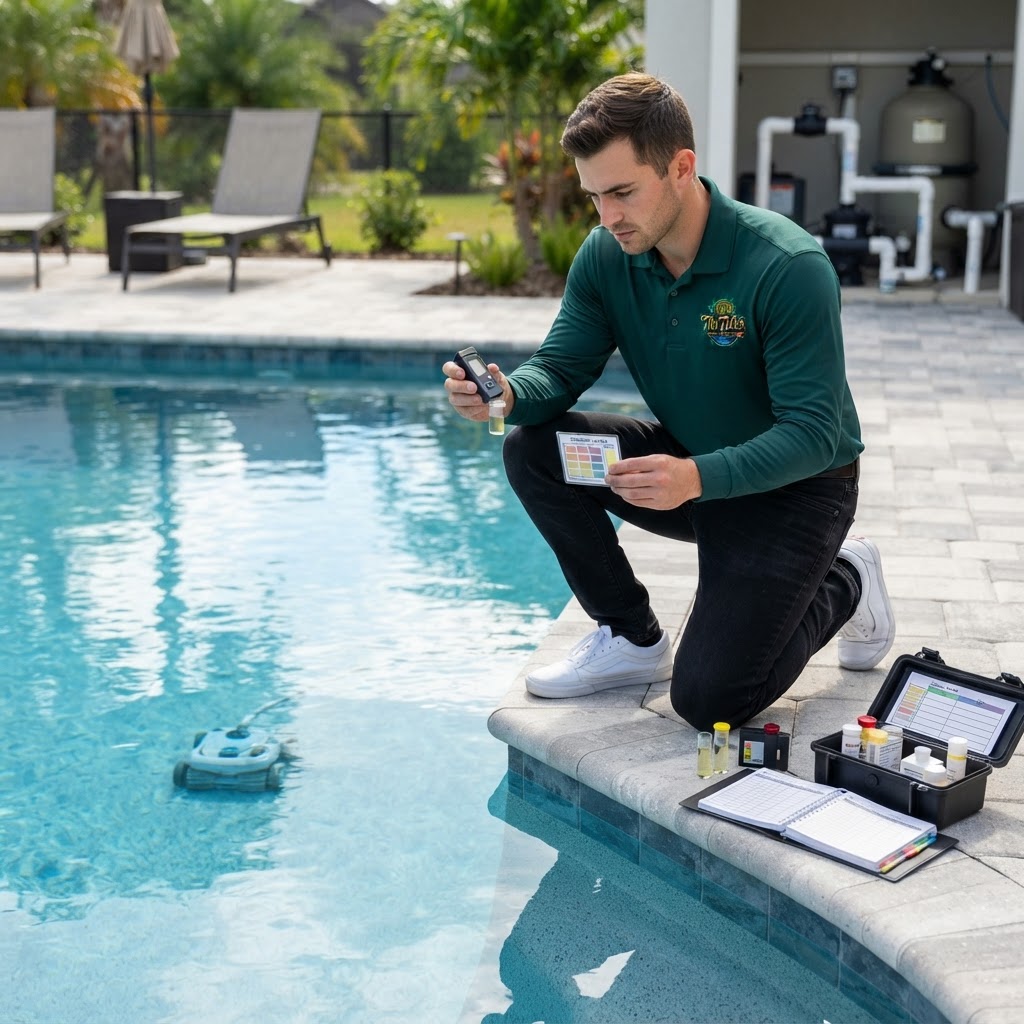
Before you begin, ensure you have your safety gear (gloves and goggles) and a reliable testing kit.
Step 1: Balance Your Water
Shocking is most effective when your water is balanced. Ensure your levels fall within these industry-standard ranges:
- pH: 7.2–7.8 (Ideally 7.2 for maximum chlorine efficacy during shock)
- Total Alkalinity: 80–120 ppm
- Free Chlorine: 1.0–3.0 ppm
Step 2: Calculate Your Dosage
Read the manufacturer's instructions on your shock packaging. Typically, one pound of Cal-Hypo treats 10,000 gallons of water. If you are fighting an active algae bloom, you may need to double or triple the dose.
Step 3: Prepare the Shock
If you are using granular shock, it is best practice to pre-dissolve it in a 5-gallon bucket of pool water. This prevents the granules from settling on the bottom and bleaching your liner or etching your plaster.
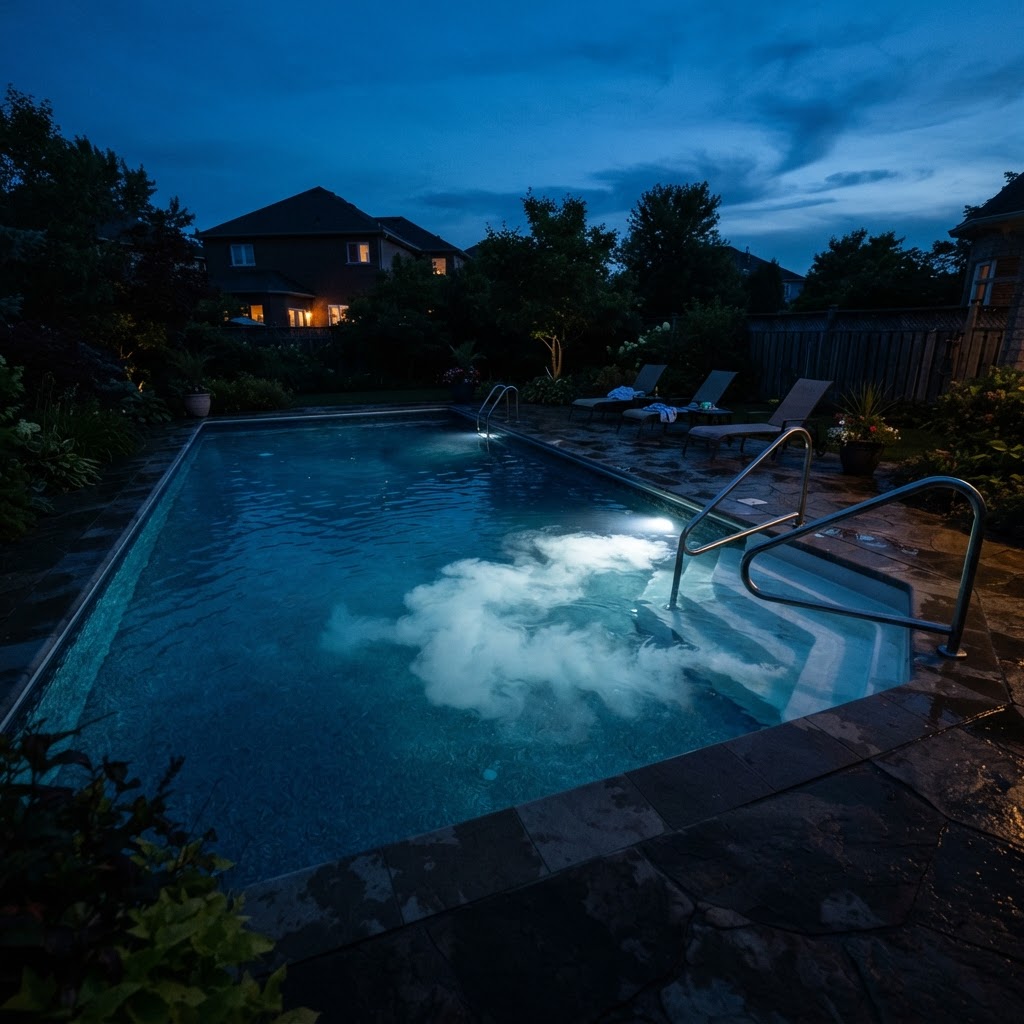
Step 4: Add the Shock at Dusk
The sun's UV rays dissipate chlorine quickly. By shocking at night, the chemical has 8-12 hours to work without being degraded by the sun.
Step 5: Circulate the Water
Run your pool filter for at least 8 to 24 hours after shocking. This ensures the chemical is evenly distributed and the dead algae or contaminants are filtered out.
Pro Tip: Always add chemicals to water, never water to chemicals. When pre-dissolving shock, fill the bucket with pool water first, then slowly stir in the granules to avoid dangerous splashing or reactions.
Safety Notes
Handling pool chemicals requires extreme care. Follow these rules to stay safe:
- Storage: Store shock in a cool, dry place away from other chemicals. Never mix different types of shock together (e.g., Cal-Hypo and Dichlor), as this can cause a fire or explosion.
- Protective Gear: Always wear chemical-resistant gloves and eye protection.
- Wind Direction: When pouring chemicals into the pool or a bucket, stand upwind to avoid inhaling dust or fumes.
- Wait Time: Do not swim until free chlorine levels have returned to the safe range of 1.0–3.0 ppm.
When to Call a Professional
While routine shocking is a DIY-friendly task, some situations require a professional touch from the Tiki Tides Pools team:
- Persistent Algae: If you have shocked the pool multiple times and the algae persists, you may have a phosphate issue or high CYA levels.
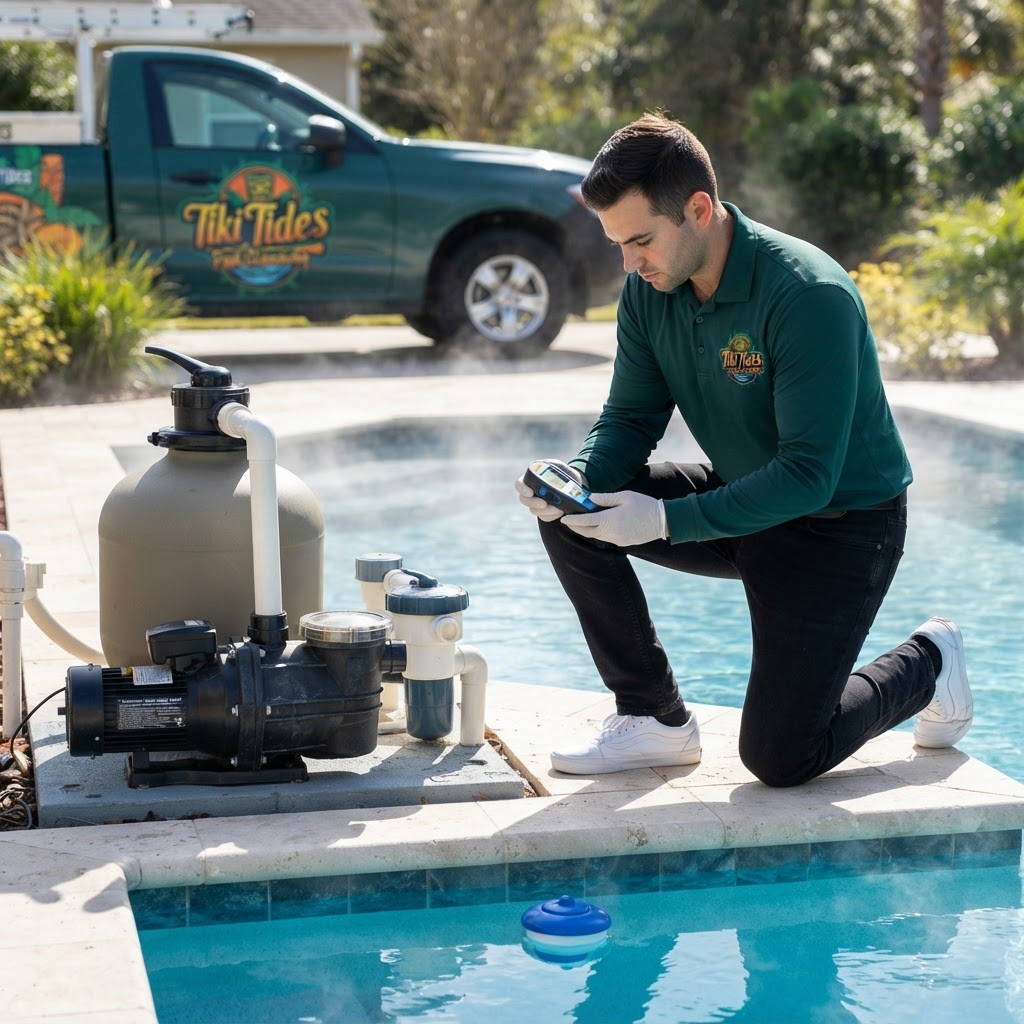
- Equipment Issues: If your filter or pump isn't circulating the water properly, the shock will not be effective.
- Chemical Spills: If you accidentally mix chemicals or experience a significant spill, call for professional assistance immediately.
- Staining: If you notice new stains on your pool surface after shocking, it may be a metal-related reaction that requires a specialized sequestering agent.
Summary
Shocking your pool is the ultimate "reset button" for your water chemistry. By oxidizing organic contaminants and eliminating irritating chloramines, you ensure that your swimming environment remains safe, clear, and inviting. Remember to always test your water first, shock at night, and follow all safety protocols. With regular maintenance and the right techniques, you can enjoy a crystal-clear oasis all summer long.