There is nothing quite as frustrating as stepping out to your backyard oasis, expecting a crystal-clear pool, only to find your automatic pool cleaner sitting motionless at the bottom. A pool cleaner that refuses to budge isn't just an eyesore; it’s a sign that your pool's circulation and cleaning system may be compromised, potentially leading to algae growth and debris buildup.
At Tiki Tides Pools, we understand that automatic pool cleaners are workhorses that keep your water pristine. Whether you rely on a suction-side, pressure-side, or robotic cleaner, a failure to move usually points to a few common culprits. In this guide, we will walk you through the diagnostic steps to get your equipment back on track, ensuring your pool stays in top condition.
Identifying the Type of Cleaner
Before you begin troubleshooting, it is essential to identify what type of cleaner you have, as the mechanical issues vary significantly by system:
- Suction-Side Cleaners: These rely on the pool's pump and filter system to create suction. If they stop moving, the issue is almost always related to flow or clogs.
- Pressure-Side Cleaners: These use a booster pump or water return pressure to move. They often feature internal gears and drive mechanisms that can wear out.
- Robotic Cleaners: These are self-contained units that plug into an electrical outlet. These involve motors, sensors, and power supplies.
Troubleshooting Suction-Side Cleaners
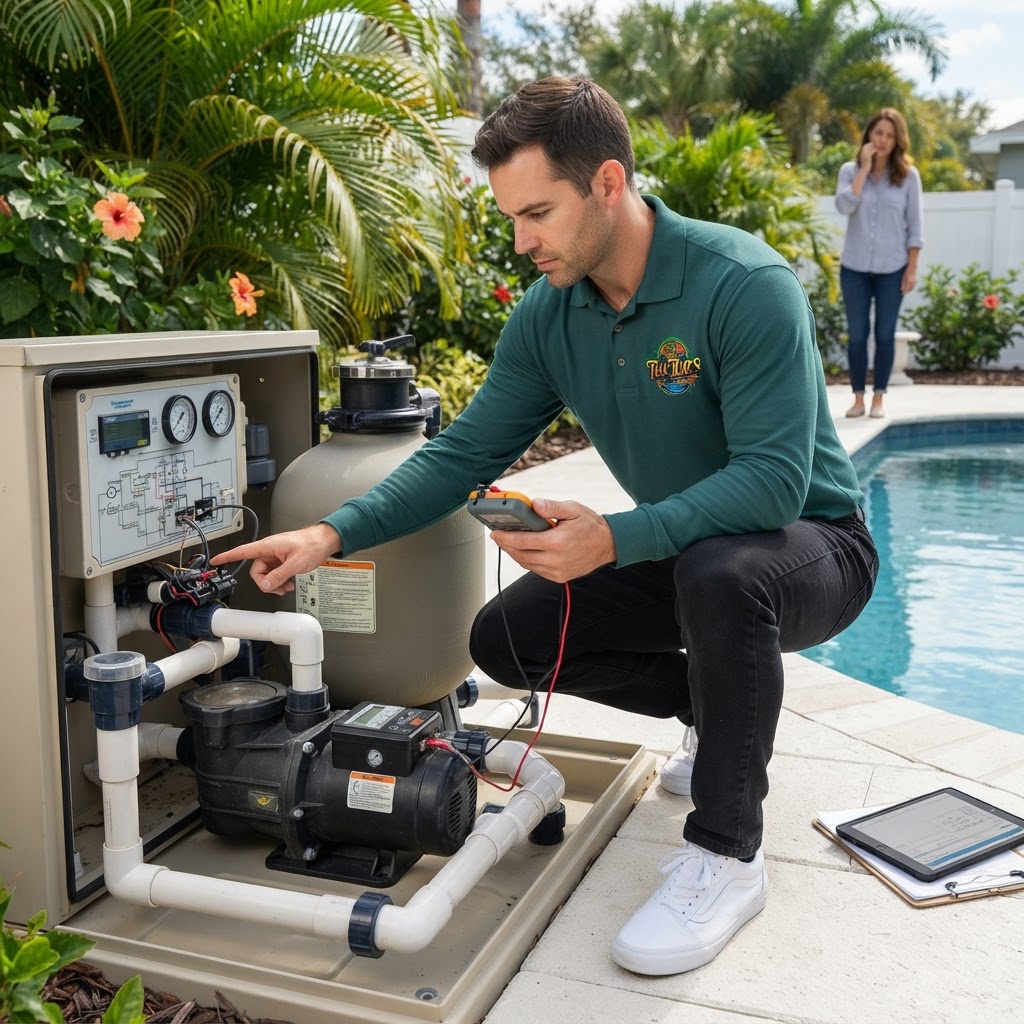
If your suction-side cleaner is stuck, the primary suspect is a lack of water flow. If you notice Low Water Flow in Your Pool? Fix Weak Pressure Like a Pro, your cleaner will struggle to generate the vacuum needed to propel itself.
- Check the Skimmer and Pump Basket: Remove all debris. A clogged basket restricts flow, which is the "fuel" for your cleaner.
- Inspect Hoses: Check all cleaner hoses for air leaks. If you hear a hissing sound or see air bubbles entering the pump, you have a suction leak that is killing the vacuum pressure.
- Clean the Filter: A dirty pool filter increases backpressure and reduces the flow rate through the cleaner line. Backwash or clean your cartridges according to your system requirements.
Troubleshooting Pressure-Side and Robotic Cleaners
For pressure-side cleaners, check the inline filter screen (usually found at the wall fitting). If this screen is clogged with debris, the cleaner will not receive the water pressure required to operate.
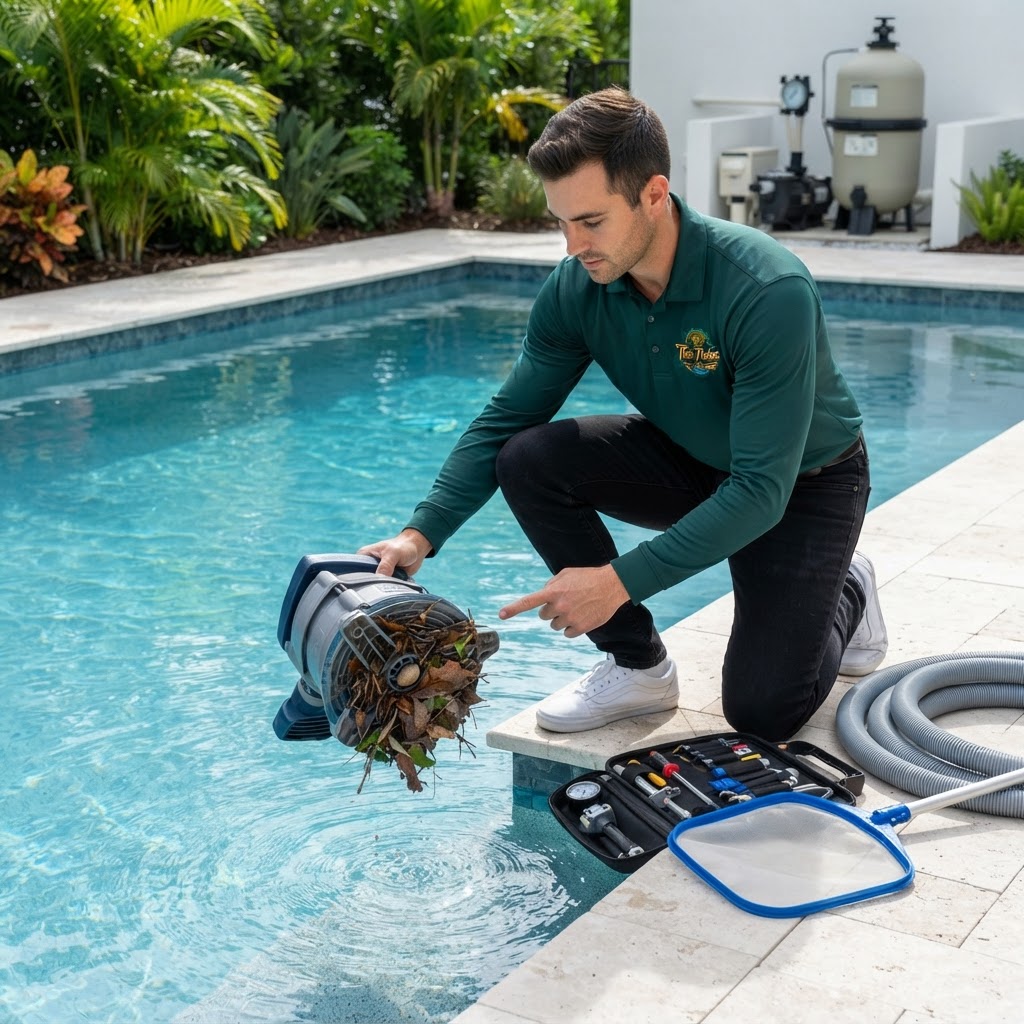
For robotic cleaners, verify the power supply. Is it receiving power? Check the cable for any nicks or damage. If the cleaner turns on but doesn't move, it may be a drive belt issue or a motor obstruction caused by debris trapped in the tracks.
Quick Reference: Checklist for Success
- Clear Debris: Clean out skimmer baskets, pump baskets, and filter elements.
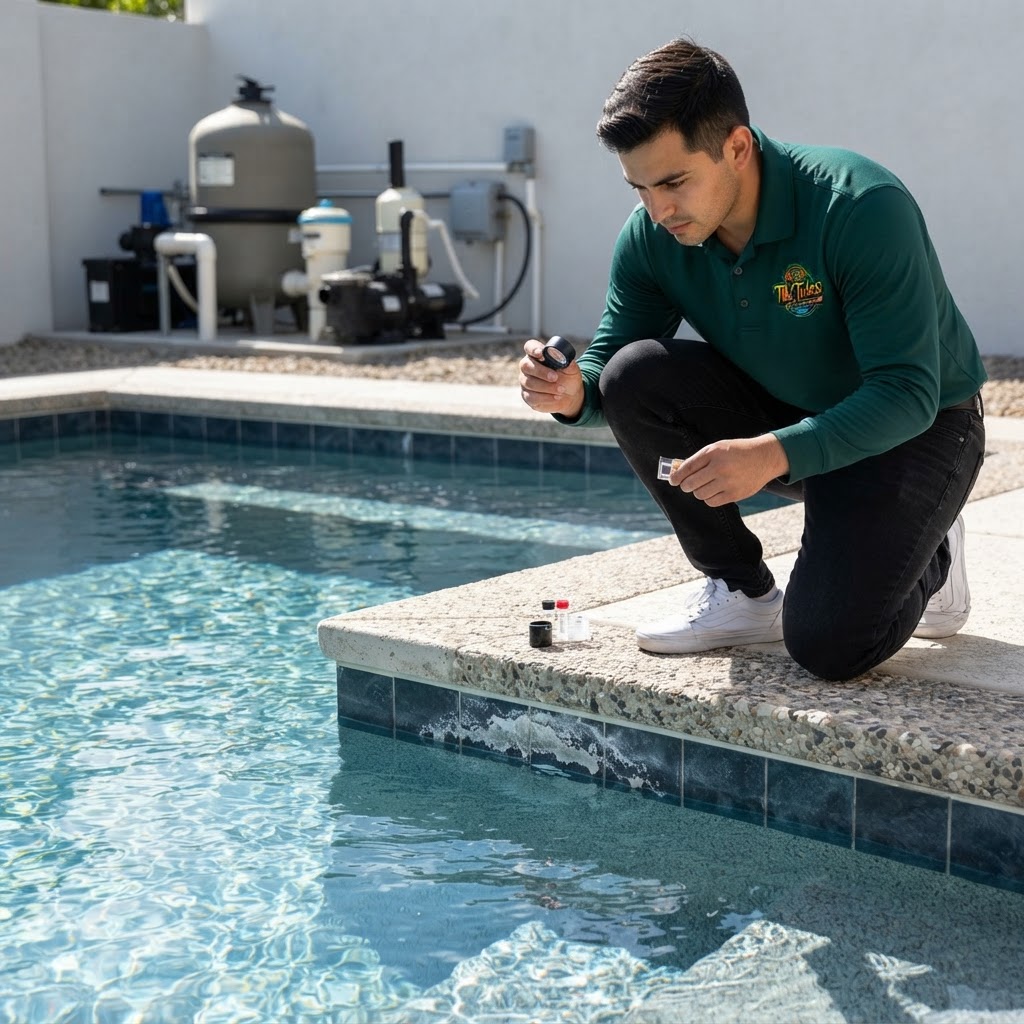
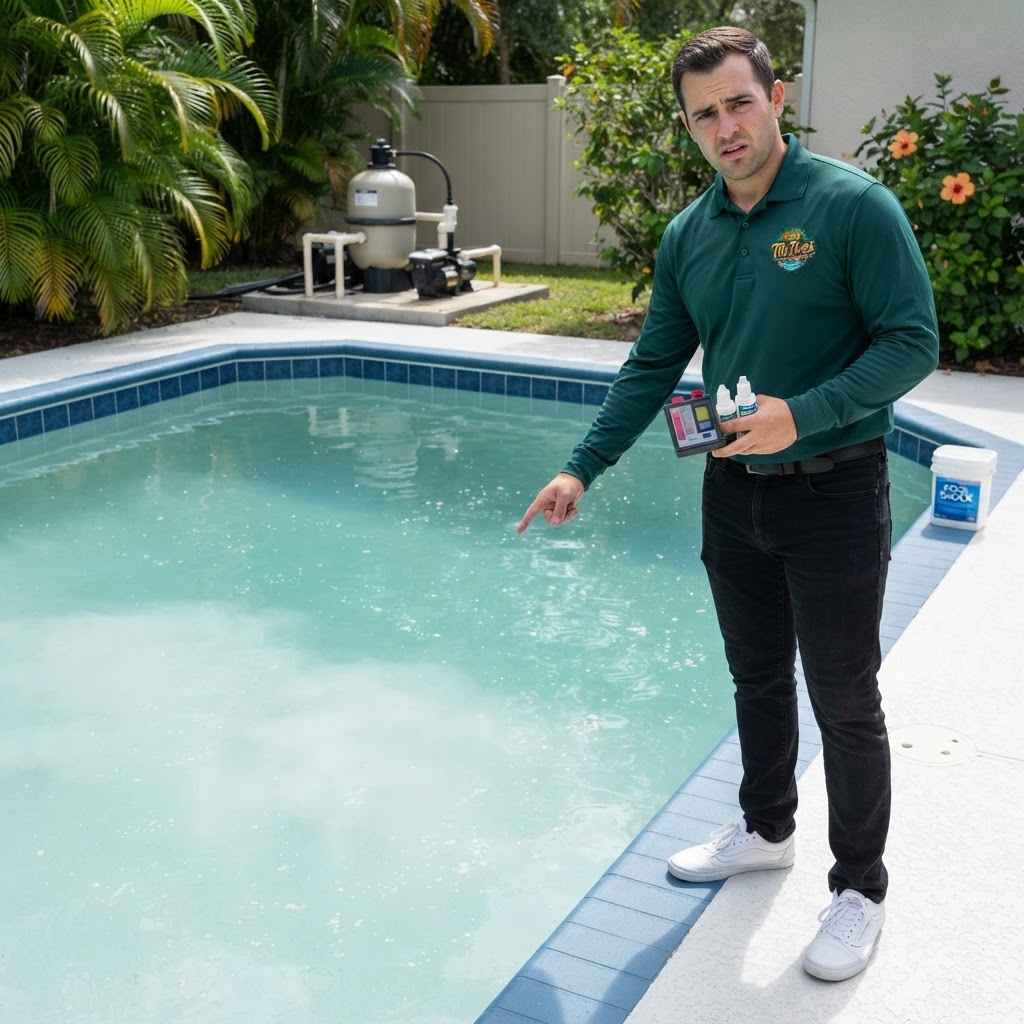
- Check Water Chemistry: Improper balance can cause scale buildup, which slows down mechanical parts.
- Free Chlorine: 1.0–3.0 ppm
- pH: 7.2–7.8
- Total Alkalinity: 80–120 ppm
- Calcium Hardness: 200–400 ppm
- Cyanuric Acid (CYA): 30–50 ppm
- Inspect Parts: Look for worn-out tires, tracks, or drive gears that may need replacement.
Pro Tip: The "Air Lock" Test If your suction cleaner has stopped moving, try to purge the air out of the hose. Submerge the entire hose length while the pump is running, making sure no air pockets remain. If it starts moving again, you had an air lock caused by a suction-side leak.
Safety Notes
When working on pool equipment, always observe these safety protocols:
- Power Down: Always turn off the pool pump and/or disconnect the power supply to the robotic cleaner control box before reaching into the skimmer or touching the cleaner.
- Chemical Handling: When testing or adjusting chemicals to prevent scale buildup, wear gloves and eye protection. Never mix chemicals.
- Equipment Pressure: If you are working on a pressure-side cleaner, be aware that lines may remain under pressure. Release pressure through the filter air relief valve before loosening fittings.
When to Call a Professional
Sometimes, the issue is deeper than a simple clog. You should contact Tiki Tides Pools if:
- Your pump is leaking or making grinding noises (see: Pool Pump Leaking Water: The Ultimate Guide to Troubleshooting and Repair).
- The cleaner motor is humming but not rotating (likely an internal electrical failure).
- You have checked the flow and chemistry, but the equipment remains unresponsive.
- You suspect the issue is related to complex plumbing or pump malfunctions.
Summary
A pool cleaner that isn't moving is usually an indicator of a flow issue, a clog, or a mechanical failure. By systematically checking your filters, hoses, and power connections, you can resolve most common issues quickly. Remember, maintaining your water chemistry within the CDC-recommended ranges not only protects your swimmers but also prevents scale and corrosion that can damage your pool equipment over time. If you find yourself stuck, the experts at Tiki Tides Pools are here to help.
Related Reading
- Why Does My Pool Have White Flakes? Troubleshooting Calcium Scale
- Cloudy Pool Water After Shocking: Why It Happens and How to Fix It
- Pool Pump Leaking Water: The Ultimate Guide to Troubleshooting and Repair
- Pool Heater Not Heating: The Ultimate Troubleshooting Guide
- Low Water Flow in Your Pool? Fix Weak Pressure Like a Pro