There is nothing quite as disappointing as preparing for a relaxing swim only to find your pool water is ice-cold, despite the heater running for hours. Whether you are using a gas heater or a high-efficiency heat pump, these machines are the heart of your pool's comfort system. When they fail, it can feel like a complex mystery involving gas lines, electrical circuits, and water hydraulics.
However, before you panic and call for an expensive service visit, you should know that many pool heater issues are caused by simple, external factors that you can check yourself. Understanding how your heater interacts with the rest of your equipment is the first step in getting your water back to that perfect temperature. This guide will walk you through the most common reasons a pool heater stops heating and how to systematically diagnose the problem.
The #1 Culprit: Water Flow Issues
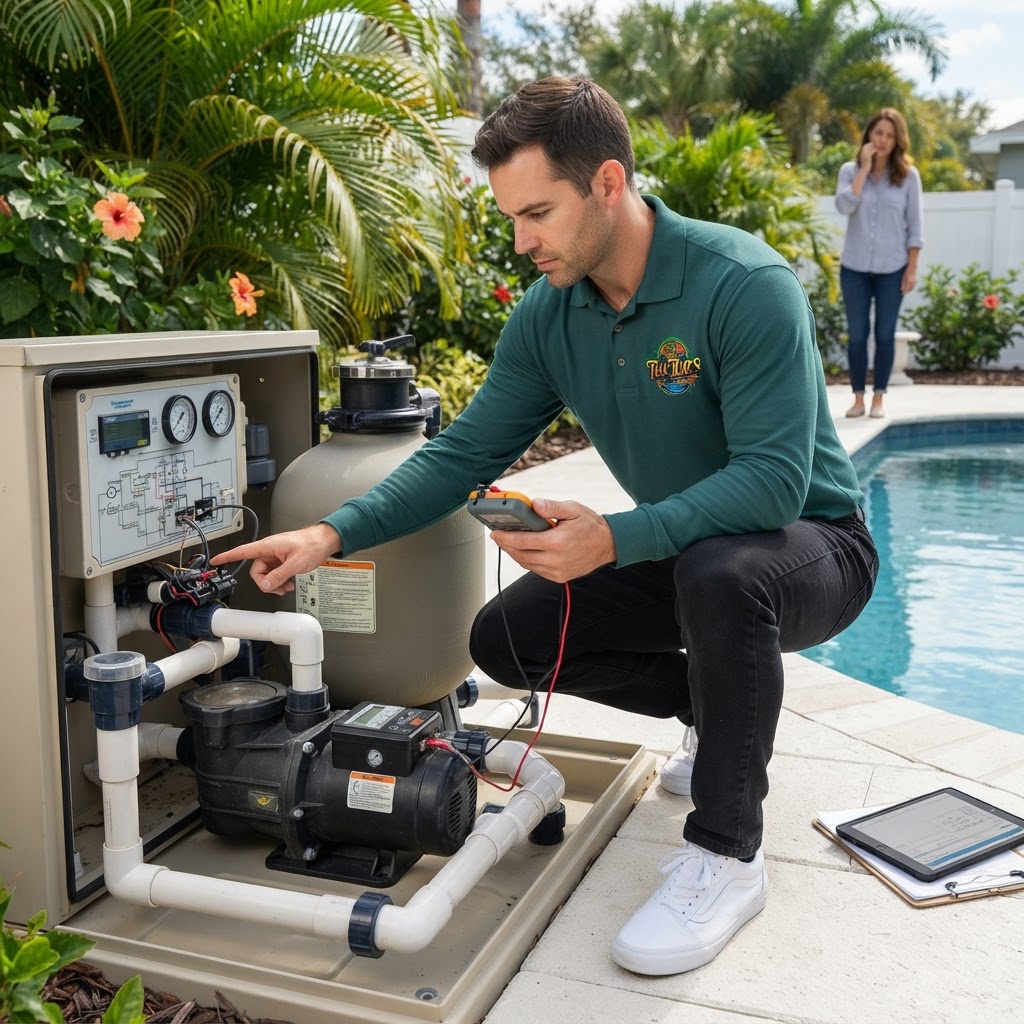
By far, the most common reason a pool heater refuses to ignite is insufficient water flow. Modern heaters are equipped with a safety device called a pressure switch. This switch ensures that the heater only fires when there is enough water moving through the heat exchanger to prevent it from melting or exploding.
If your pump isn't moving enough water, the pressure switch won't close, and the heater will stay off. To diagnose this, first check your pool filter. A dirty filter significantly restricts flow. If you notice your filter pressure is 8-10 PSI higher than its clean starting pressure, it is time for a backwash or a cartridge cleaning. For more details on managing this, see our guide on How to Fix High Pool Filter Pressure: A Complete Troubleshooting Guide.
Other flow-related issues include:
- Closed Valves: Ensure all suction and return valves are in the open position.
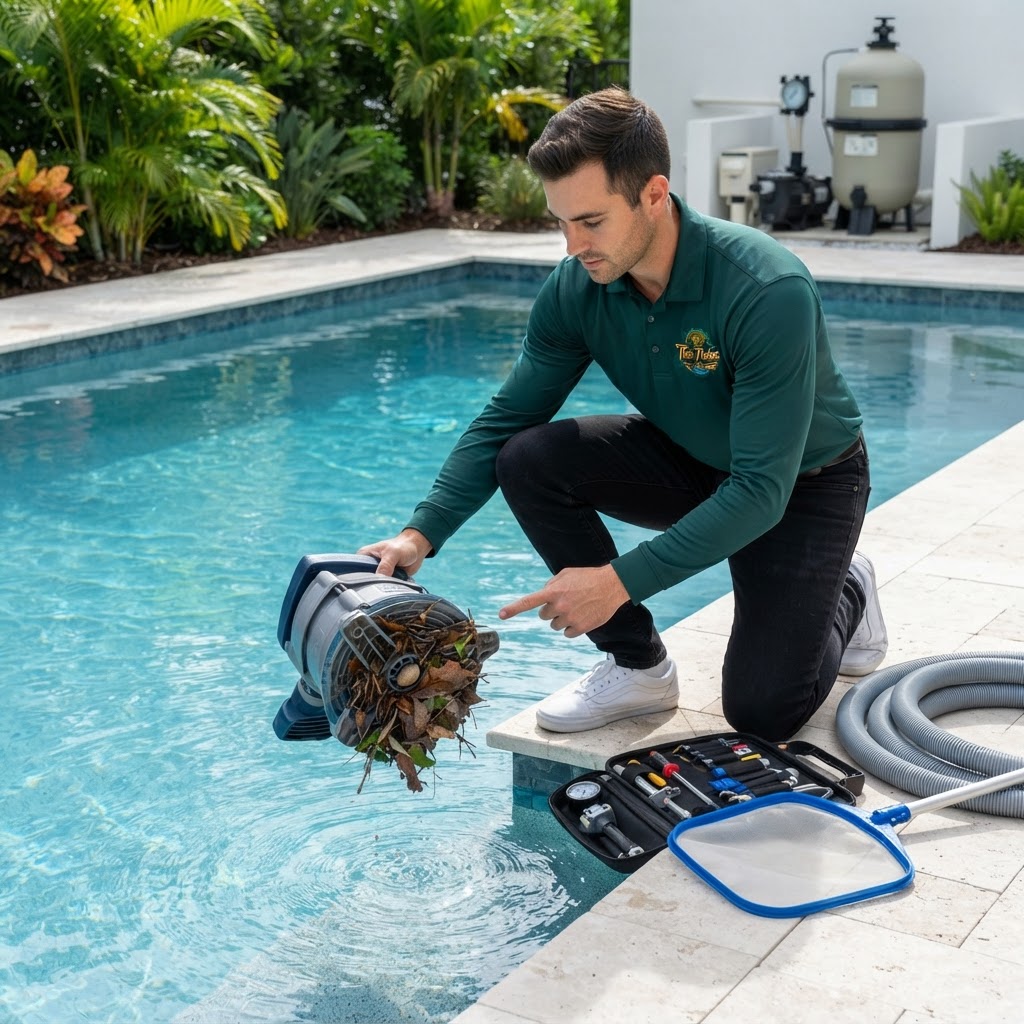
- Clogged Baskets: Empty the leaf debris from both your skimmer baskets and the pump strainer basket.
- Pump Priming: If your pump is struggling to pull water, the heater won't have enough pressure to activate. If you notice air in your system, refer to Bubbles in Your Jets? How to Diagnose and Fix Air in Pool Returns.
- Internal Bypass: Some heaters have internal bypass valves that can fail, allowing water to skip the heating element entirely.
Troubleshooting Gas and Electrical Supply
Once you have confirmed that water flow is adequate, the next step is checking the energy source.
For Gas Heaters (Natural Gas or Propane):
- Gas Valves: Ensure the gas valve at the meter and the valve inside the heater cabinet are both turned to the "ON" position.
- Propane Levels: If you use a propane tank, check the gauge. Heaters consume a significant amount of fuel; a tank that is too low may not have enough pressure to feed the burner tray.
- Pilot Light/Igniter: Older heaters use a standing pilot light that can blow out. Newer models use an Integrated Control Module (ICM) and a hot surface igniter. If you hear the heater clicking but it doesn't fire, the igniter may be cracked or fouled.
For Heat Pumps:
- Breakers: Check your main electrical panel. Heaters draw a lot of amperage and can occasionally trip a breaker, especially during a storm or power surge.
- Ambient Temperature: Heat pumps work by extracting heat from the air. If the air temperature is below 50-55°F, most heat pumps will shut down because there isn't enough ambient heat to transfer to the water.
Checking the Thermostat and Settings
It sounds simple, but many service calls end with the technician simply turning up the thermostat. Ensure the "Set Point" is higher than the current "Water Temperature" displayed on the screen.
If you have an automation system (like Pentair IntelliCenter or Hayward OmniLogic), check that the heater is enabled in the app and that the automation isn't overriding the heater's local controls. Often, a heater must be set to its maximum temperature on its own display to allow the automation system to regulate the heat effectively.
Understanding Error Codes and Sensors
Most modern heaters feature digital displays that provide error codes. Common codes include:
- LO or FLO: Low water flow (check your pump and filter).
- Hi-Limit: The heater detected internal temperatures that were too high and shut down for safety.
- AGS (Automatic Gas Shutoff): Often related to a sensor or overheating.
- Sensors (Thermistor/Pressure Switch): If a thermistor fails, it may report that the water is 150°F when it is actually 70°F, preventing the heater from turning on.
Pro Tip: If your heater is throwing a 'Flow' error even after you have cleaned the filter and baskets, the pressure switch itself might be clogged with calcium or debris. Turning the switch slightly can sometimes dislodge the blockage, but usually, it requires a simple replacement by a professional.
The Role of Water Chemistry
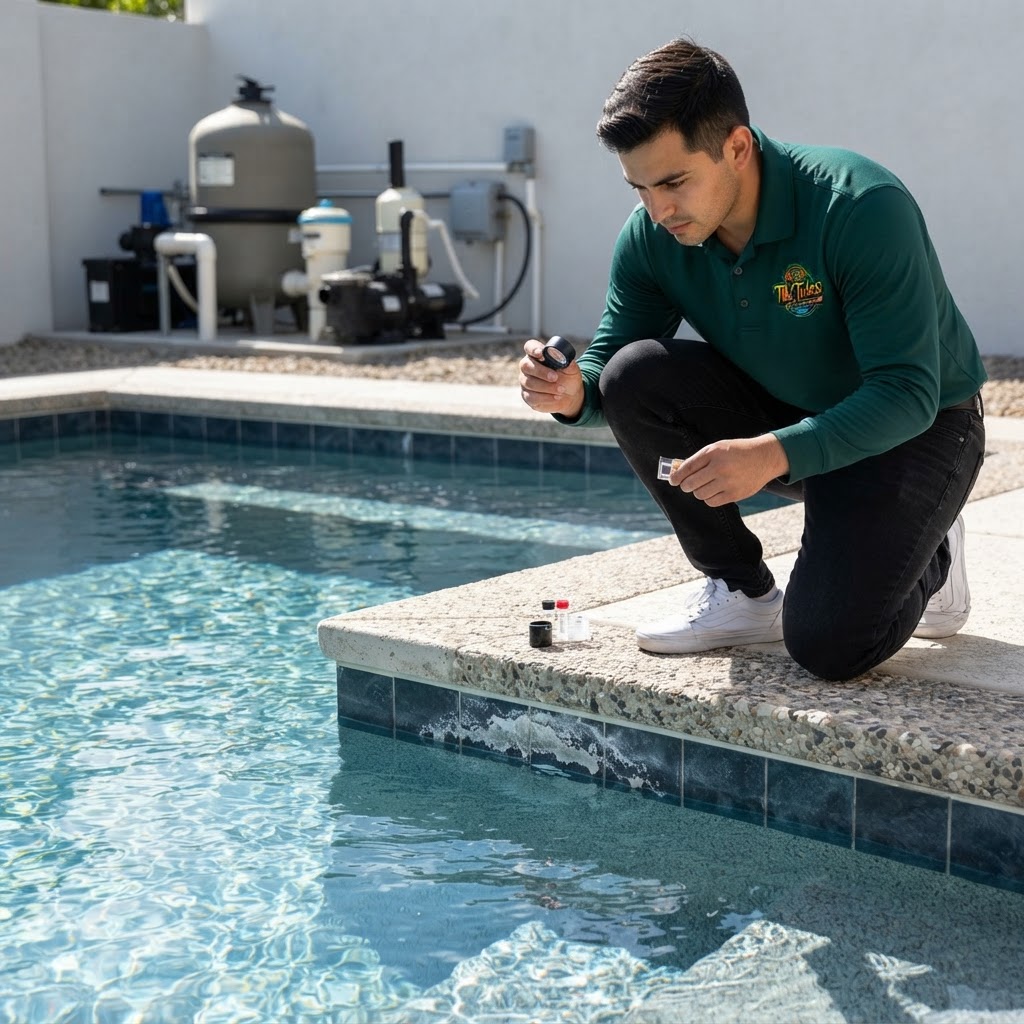
Poor water chemistry is the silent killer of pool heaters. If your pH or Total Alkalinity is too low, the water becomes acidic and will literally eat away at the copper heat exchanger. This causes "copper bypass" where green flakes appear in your pool, and the heater eventually leaks.
Always maintain these industry-standard ranges to protect your equipment:
- Free Chlorine: 1.0–3.0 ppm
- pH: 7.2–7.8
- Total Alkalinity: 80–120 ppm
- Calcium Hardness: 200–400 ppm
- Cyanuric Acid (CYA): 30–50 ppm
Safety Notes
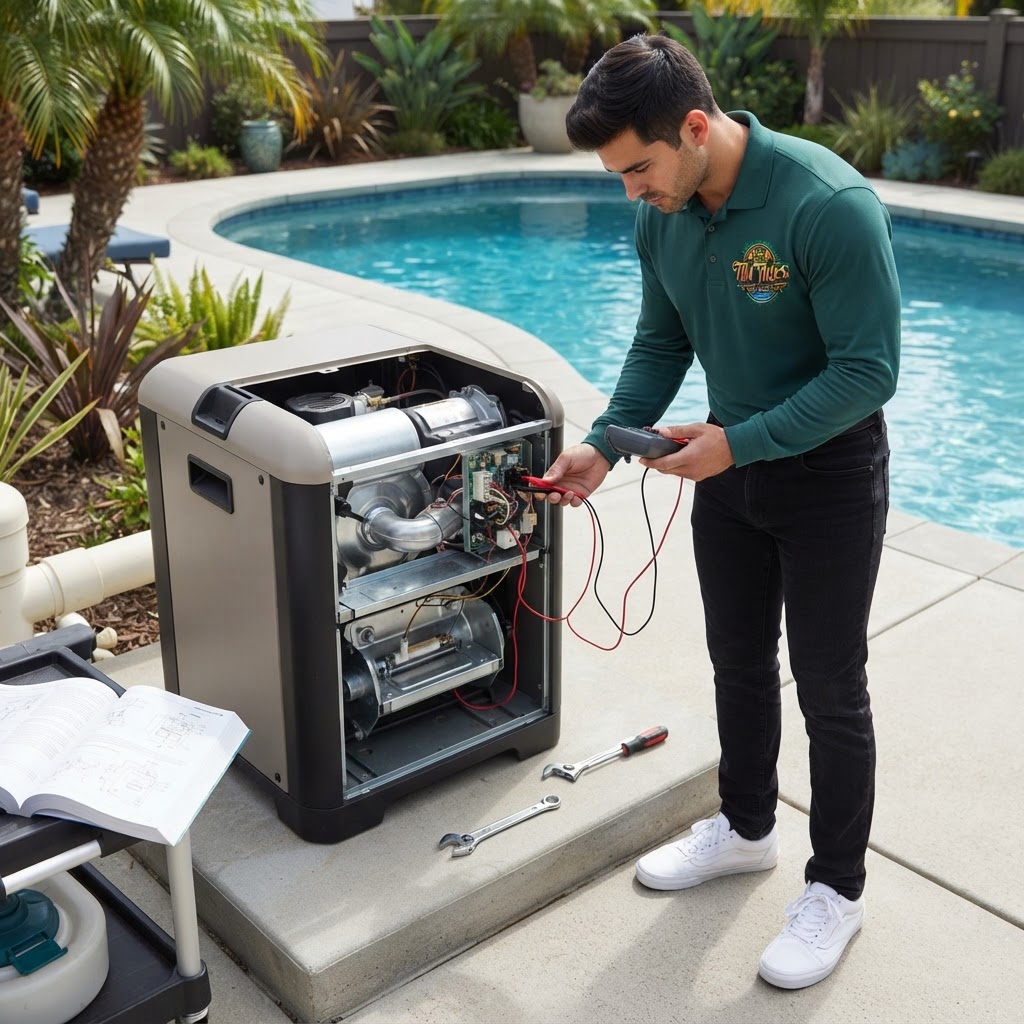
Working with pool heaters involves high-voltage electricity and combustible gas. Safety is paramount:
- Gas Leaks: If you smell gas (a rotten egg scent), turn off the gas supply immediately and call your utility company or a professional.
- Electrical: Never touch internal wiring while the breaker is on.
- Exhaust: Ensure the heater's exhaust vent is clear of debris, bird nests, or dry leaves to prevent carbon monoxide buildup or fire hazards.
When to Call a Professional
While check-ups on filters and thermostats are DIY-friendly, internal repairs often require a certified technician. You should call Tiki Tides Pools or a licensed professional if:
- The heater makes loud banging or whistling noises (indicating a scaled-up heat exchanger).
- You suspect a gas leak or a faulty gas valve.
- The control board is blank or unresponsive.
- There is water leaking from underneath the heater cabinet.
- You need to replace internal components like the blower motor or burner tray.
Summary
A pool heater is a complex but manageable piece of equipment. By ensuring your water flow is strong, your filter is clean, and your gas or power supply is active, you can solve the majority of "no heat" issues. Regular maintenance and balanced water chemistry are the best ways to ensure your heater lasts for its full expected lifespan. If the simple fixes don't work, don't hesitate to contact a professional to ensure your system remains safe and efficient.
Related Reading
- Low Water Flow in Your Pool? Fix Weak Pressure Like a Pro
- How to Fix High Pool Filter Pressure: A Complete Troubleshooting Guide
- Bubbles in Your Jets? How to Diagnose and Fix Air in Pool Returns
- Pool Pump Not Working? The Complete DIY Troubleshooting Guide
- Why Is My Pool Losing Water? The Ultimate Leak Detection Guide