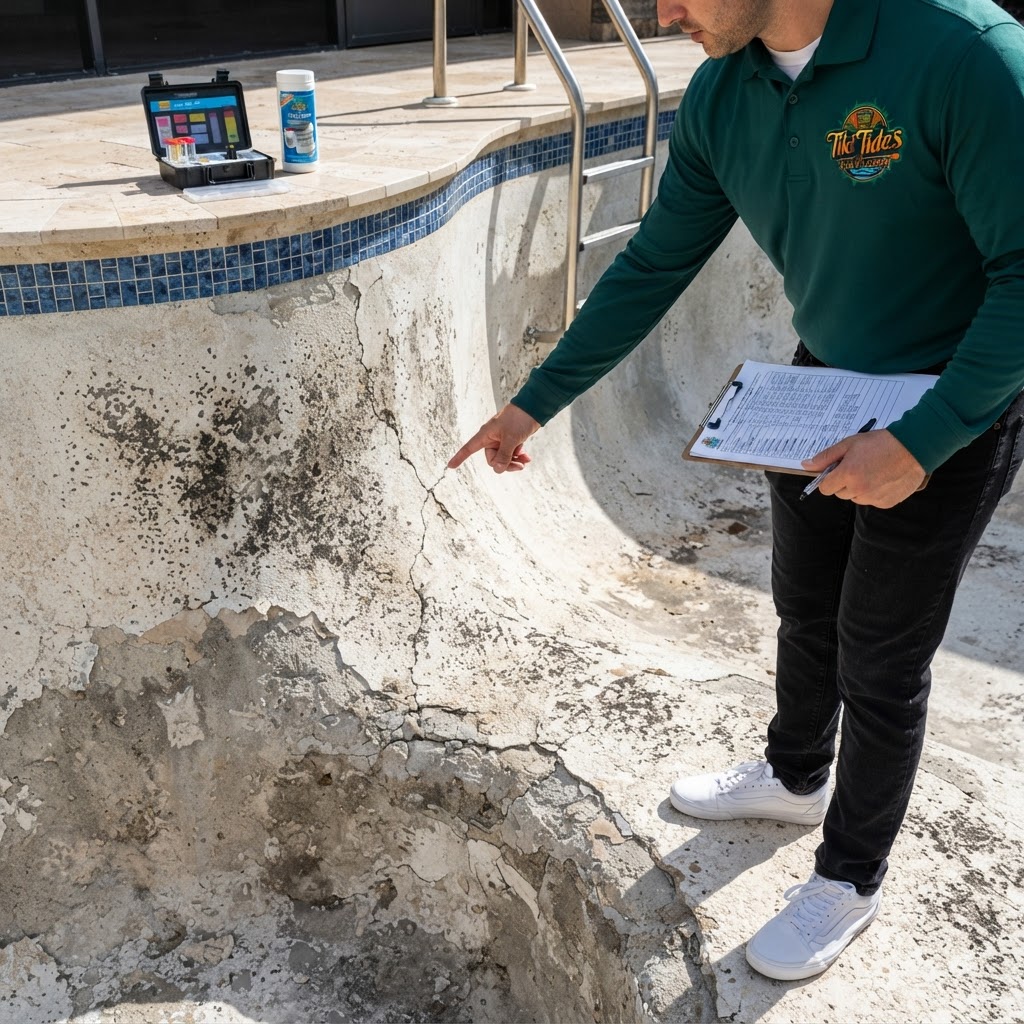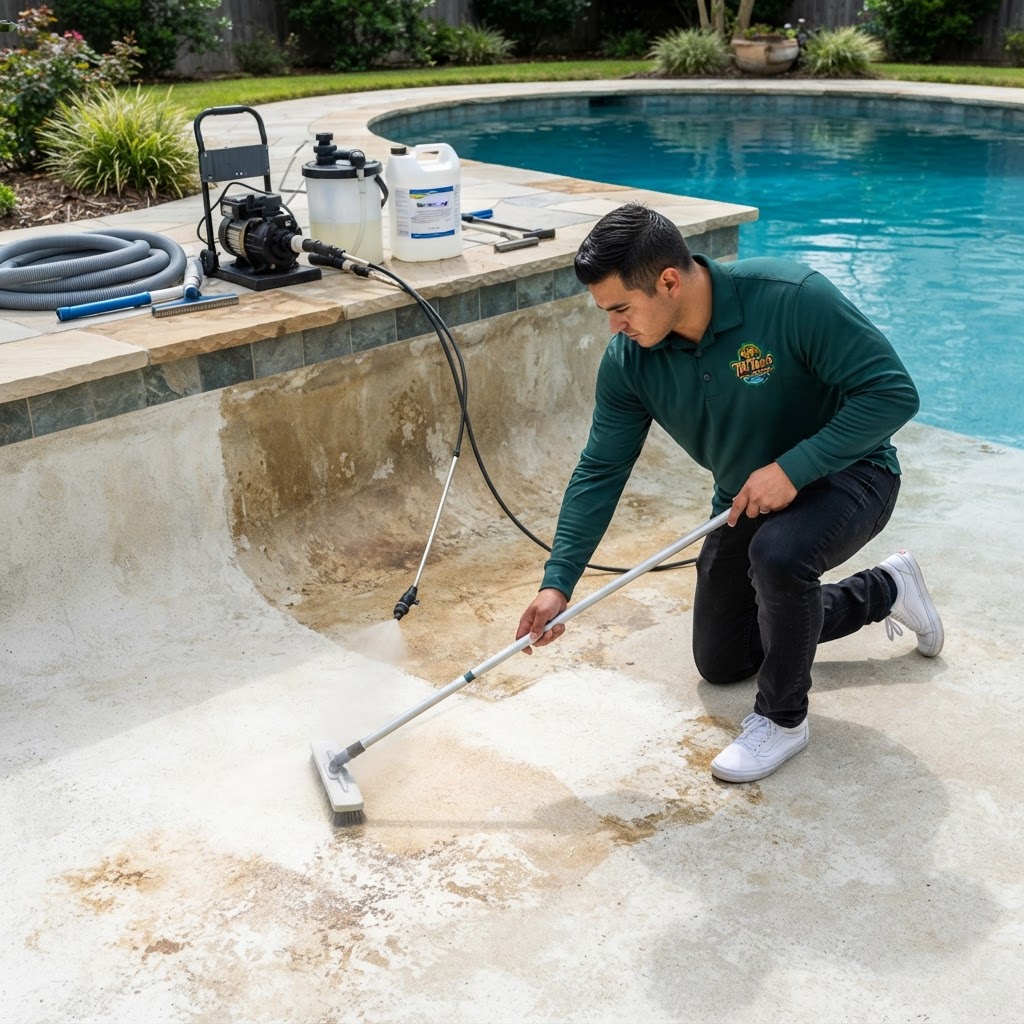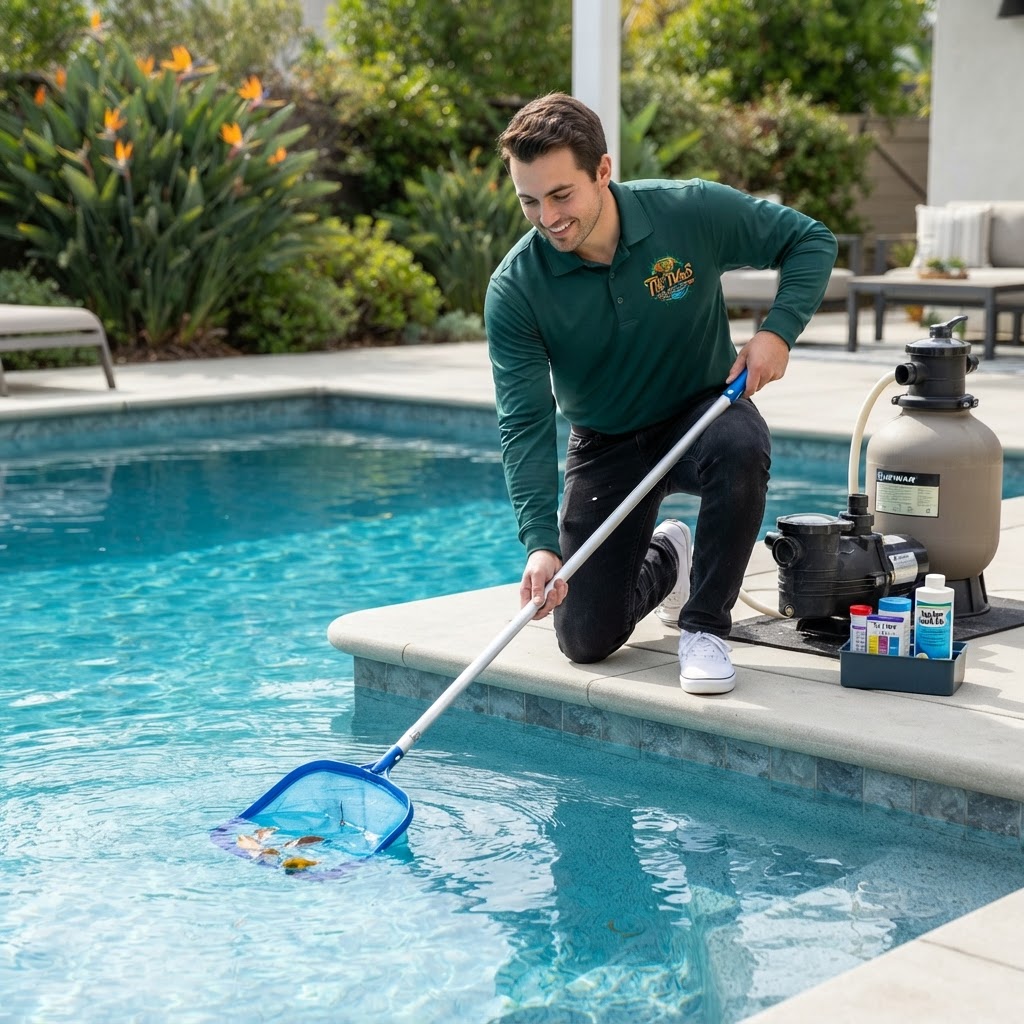
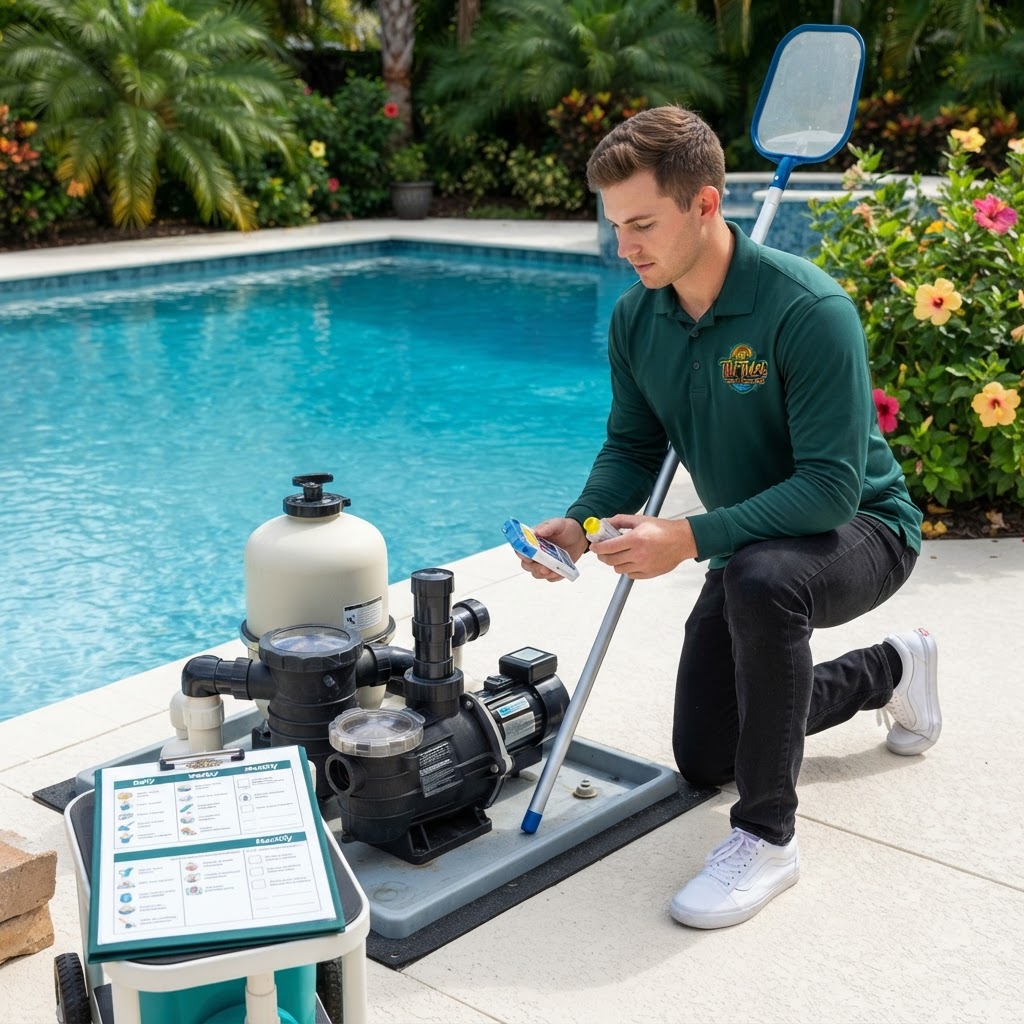
Owning a pool is a dream come true for many homeowners, but that dream can quickly turn into a murky, green nightmare without a consistent maintenance routine. At Tiki Tides Pools, we believe that the secret to a perfect swimming experience isn't found in a magic chemical—it’s found in a schedule.
A well-maintained pool is more than just an aesthetic choice; it is a matter of safety and financial prudence. By following a structured maintenance checklist, you prevent the growth of harmful bacteria, protect your expensive equipment from corrosion or scale, and ensure that your backyard remains a sanctuary rather than a chore. Whether you are a first-time pool owner or a seasoned pro, this guide will provide the roadmap to a hassle-free swim season.
The Philosophy of Preventive Maintenance
Consistency is the backbone of pool care. Waiting until the water is cloudy to add chemicals is reactive maintenance, which is often more expensive and time-consuming. Proactive maintenance—performing small tasks regularly—keeps your water chemistry stable and identifies equipment issues before they lead to catastrophic failure.
Before we dive into the schedule, ensure you have the necessary tools: a telepole with a leaf skimmer and brush attachment, a reliable test kit (preferably a drop-based liquid kit), and a pool vacuum.
Daily Pool Maintenance: The 5-Minute Refresh
Daily tasks are designed to remove debris before it sinks and breaks down, which can consume your chlorine and affect your water clarity. Spend just a few minutes each day on the following:
- Skim the Surface: Use a leaf skimmer to remove floating leaves, insects, and debris. This prevents organic material from sinking to the bottom where it can stain the finish or clog the main drain.
- Empty the Skimmer Basket: A clogged skimmer basket restricts water flow, forcing your pump to work harder and reducing filtration efficiency.
- Check the Water Level: Water should be at the midpoint of your skimmer opening. If it's too low, the pump could suck in air and lose prime. If it's too high, the skimmer won't effectively pull in surface debris.
- Visual Equipment Check: Take a quick look at your pump and filter. Listen for unusual noises and look for any visible leaks around the plumbing.
Weekly Pool Maintenance: The Deep Clean
Your weekly routine is where the real work happens. This is the core of your pool care that ensures the water is chemically balanced and the surfaces are physically clean.
1. Test and Balance Water Chemistry
This is the most critical step. Using a high-quality test kit, measure your levels. Following CDC and industry standards, aim for these ranges:
- Free Chlorine: 1.0–3.0 ppm
- pH: 7.2–7.8
- Total Alkalinity: 80–120 ppm
If your pH is too high, your chlorine becomes less effective; if it's too low, the water becomes acidic and can damage pool components.
2. Brush the Walls and Floors
Even if the water looks clear, a microfilm of algae can be growing on the surfaces. Brushing breaks up these colonies so they can be killed by chlorine and caught by the filter. To ensure you're doing it right, check out our guide on how to Master the Art of Pool Brushing: The Ultimate Guide to a Spotless Pool.
3. Vacuum the Pool
Vacuuming removes the fine debris that the skimmer misses and the brush kicks up. You can use a manual vacuum or an automatic robotic cleaner. For a professional-level clean, follow our instructions on How to Vacuum a Pool: The Ultimate Step-by-Step Guide for a Sparkling Finish.
4. Shock the Pool
Weekly shocking (adding a high dose of chlorine) helps break down chloramines—the "used up" chlorine that causes eye irritation and that distinct "pool smell." It also kills any lingering bacteria or algae spores.
Pro Tip: Always add chemicals to the water in the evening after the sun has gone down. UV rays from the sun dissipate unstabilized chlorine rapidly, making nighttime applications far more effective and economical.
Monthly Pool Maintenance: The System Health Check
Monthly tasks focus on the "behind the scenes" components of your pool. These tasks ensure long-term equipment health.
- Test Calcium Hardness: Aim for 200–400 ppm. If levels are too low, the water becomes "hungry" and can leach calcium from your plaster or grout. If too high, it leads to scale buildup on tiles and equipment.
- Test Cyanuric Acid (CYA): Also known as "sunscreen for chlorine," keep this between 30–50 ppm. Too little and your chlorine burns off in minutes; too much and it "locks" the chlorine, making it ineffective.
- Clean the Pool Filter: Depending on your filter type and pressure gauge reading (usually 8-10 PSI over your "clean" baseline), you need to backwash or clean your cartridges. For detailed steps, see How to Clean a Pool Filter: The Ultimate Guide for DE, Cartridge, and Sand Filters.
- Inspect Seals and O-Rings: Apply a silicone-based lubricant to the pump lid O-ring to ensure an airtight seal and prevent leaks.
- Clean the Waterline: Wipe down the tile line to prevent the buildup of oils and minerals.
Quick Reference Checklist
| Frequency | Task | Key Target | | :--- | :--- | :--- | | Daily | Skim Surface | Remove all floating debris | | Daily | Empty Skimmer | Maintain full water flow | | Weekly | Test Chemistry | pH: 7.2-7.8 / Chlorine: 1.0-3.0 ppm | | Weekly | Brush & Vacuum | No visible debris or slime | | Monthly | Filter Clean | Pressure gauge back to baseline | | Monthly | CYA & Calcium | CYA: 30-50 / Calcium: 200-400 ppm |
## Safety Notes
Handling pool chemicals requires care. Always follow these safety protocols:
- Never mix chemicals: This includes different types of chlorine (e.g., never mix cal-hypo with trichlor). Mixing can lead to explosions or toxic gas.
- Add Chemical to Water: When diluting chemicals, always add the chemical to the water, never water to the chemical.
- Storage: Store chemicals in a cool, dry, well-ventilated area, out of reach of children and pets. Keep them in their original containers.
- Protective Gear: Wear safety glasses and gloves when handling concentrated acids or chlorine.
When to Call a Professional
While most maintenance can be handled by a homeowner, some situations require a certified technician from Tiki Tides Pools:
- Persistent Green Water: If you've shocked the pool and the chemistry is balanced but the water remains green, you may have a phosphate issue or a filtration failure.
- Equipment Leaks: If you notice puddles around your pump or filter housing that don't go away.
- Electrical Issues: Never attempt to repair pool lights or pump motors yourself due to the high risk of electrocution.
- Major Heater Malfunctions: Gas heaters require specialized tools and certification to repair safely.
Summary
A clean pool is the result of small, consistent actions. By breaking your maintenance down into daily, weekly, and monthly segments, the task becomes manageable and ensures that your pool remains a safe, beautiful asset to your home. Stick to the schedule, keep your chemicals in range, and you'll enjoy sparkling water all year long. Happy swimming!
Related Reading
- How to Clean a Pool Filter: The Ultimate Guide for DE, Cartridge, and Sand Filters
- How to Clean Pool Tile: The Ultimate Guide to Removing Calcium Scale
- Master the Art of Pool Brushing: The Ultimate Guide to a Spotless Pool
- How to Vacuum a Pool: The Ultimate Step-by-Step Guide for a Sparkling Finish
- How Often Should a Pool Be Cleaned? The Ultimate Maintenance Schedule