For decades, the standard backyard swimming pool was powered by a single-speed pump. These machines were the heavy drinkers of the electrical world—consuming massive amounts of energy to move water at a constant, high-velocity rate regardless of whether the pool actually needed it. As energy costs rise and environmental regulations tighten, many pool owners are asking: Is the upgrade to a variable speed pump really worth the investment?
At Tiki Tides Pools, we believe the answer is a resounding yes, but the "why" involves more than just a lower utility bill. Understanding the technology, the return on investment (ROI), and the secondary benefits to your pool's ecosystem is essential for every homeowner. In this guide, we will break down the mechanics, the math, and the long-term advantages of making the switch.
Understanding the Technology: Single-Speed vs. Variable Speed
To understand why variable speed (VS) pumps are superior, we first need to look at how they differ from traditional equipment. To dive deeper into the basics of circulation, you might want to read How Does a Pool Pump Work? The Heart of Your Swimming Pool Explained.
Single-Speed Pumps
A single-speed pump operates like a light switch: it is either 100% on or 100% off. It typically runs at approximately 3,450 Revolutions Per Minute (RPM). While this high speed is necessary for tasks like vacuuming or backwashing a sand filter, it is complete overkill for daily filtration.
Variable Speed Pumps
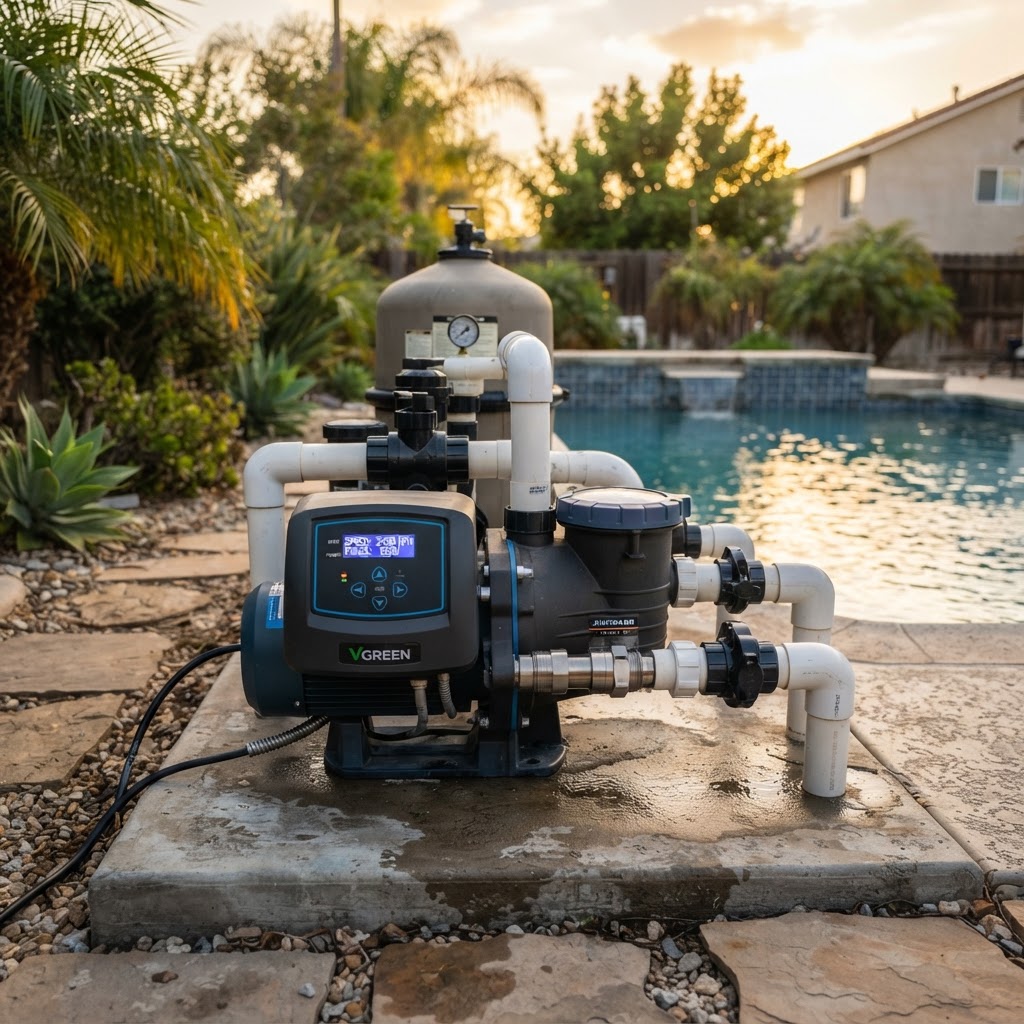
Variable speed pumps utilize a Permanent Magnet Motor (PMM)—the same type of motor used in electric cars. Unlike the induction motors in single-speed pumps, PMMs allow you to dial in the exact RPM needed for specific tasks. You can run the pump at low speeds for energy-efficient filtration and high speeds for heating or cleaning.
The Financial Breakdown: Energy Savings and ROI
The primary deterrent for most homeowners is the upfront cost. A high-quality variable speed pump can cost significantly more than a single-speed model. However, the energy savings are often dramatic enough to pay for the pump in as little as two to three pool seasons.
According to the Department of Energy, a variable speed pump can save a pool owner up to 70-90% on their energy costs. This is due to the Affinity Laws, which state that if you reduce a pump's speed by half, the power consumption drops by a factor of eight.
Example Scenario:
- Single-Speed Pump: Costs roughly $500–$1,000 per year to operate in electricity.
- Variable Speed Pump: Can cost as little as $100–$200 per year to operate for the same volume of water turned over.
Over the 8-12 year lifespan of a pump, the VS model can save you thousands of dollars, making the initial investment one of the smartest financial moves a pool owner can make.
Better Filtration and Chemical Efficiency
Beyond the wallet, your pool water actually gets cleaner with a variable speed pump. When water moves slowly through a filter, the media (sand, cartridge, or DE) can trap smaller particles more effectively. High-velocity water often forces debris through the filter media and back into the pool.
Running your pump longer at a lower speed ensures that your water stays moving, which prevents stagnant spots where algae can bloom. Consistent circulation is vital for maintaining the CDC-recommended Free Chlorine level of 1.0–3.0 ppm and a pH between 7.2–7.8. When the water is constantly moving, your chemicals are distributed more evenly, preventing "pockets" of unbalanced water.
If you are using a slower flow, make sure you know Which Pool Filter is Best? Sand vs. Cartridge vs. DE Filters Compared to maximize your clarity.
Noise Reduction and Equipment Longevity
If your current pool pump sounds like a jet engine taking off in your backyard, you will appreciate the near-silent operation of a VS pump. At low speeds, these pumps are so quiet that you often have to stand right next to them to tell if they are running.
Furthermore, because the motor runs cooler and at lower RPMs, there is less wear and tear on the internal components and your plumbing. High pressure from single-speed pumps puts stress on o-rings, seals, and filter internals. By "dialing down" the pressure, you extend the life of your entire equipment pad, including your heater. For those dealing with heater issues, check out our Pool Heater Troubleshooting: How to Fix Common Heating Problems.
Quick Reference: Benefits of Variable Speed Pumps
- Energy Efficiency: Save up to 90% on monthly pool electricity bills.
- Silent Operation: Significant noise reduction compared to induction motors.
- Customizable Speeds: Set specific RPMs for skimming, heating, and water features.
- Improved Filtration: Slower flow rates allow filters to catch finer debris.
- Utility Rebates: Many local power companies offer rebates (often $100-$400) for installing Energy Star-certified pumps.
Pro Tip: When programming your variable speed pump, aim for a "low and slow" approach. Run the pump for a longer duration (even 24 hours) at a low RPM. You will achieve better water clarity and use less electricity than running a single-speed pump for 8 hours.
Safety Notes
When upgrading or maintaining pool equipment, safety is the top priority. Always ensure the power is disconnected at the breaker before inspecting the pump motor.
- Electrical Bonding: Ensure the pump is properly bonded to the pool's bonding grid to prevent electrical shock.
- Water Chemistry Safety: Even with the best pump, water must be balanced. Maintain Total Alkalinity at 80–120 ppm and Calcium Hardness at 200–400 ppm to prevent equipment corrosion.
- Entrapment Hazards: Modern pumps should be used with dual main drains or Safety Vacuum Release Systems (SVRS) to prevent suction entrapment.
When to Call a Professional
While a handy homeowner can manage some pool tasks, installing a variable speed pump involves high-voltage electricity and precision plumbing. You should call a professional if:
- You need to wire a new 240v circuit or handle complex electrical bonding.
- The pump is making a high-pitched screaming sound (bearing failure).
- You are unsure how to program the digital controller for optimal flow rates.
- There is a persistent leak at the plumbing unions that could damage the new motor.
Summary
While the initial cost of a variable speed pump is higher than traditional models, the long-term benefits are undeniable. Between the massive energy savings, the whisper-quiet operation, and the superior water clarity, it is an investment that truly pays for itself. By maintaining proper circulation and adhering to standard chemical ranges—like keeping your Cyanuric Acid (CYA) between 30–50 ppm—you will ensure your new pump and your pool stay in peak condition for years to come.