Why Does My Pool Have Algae?
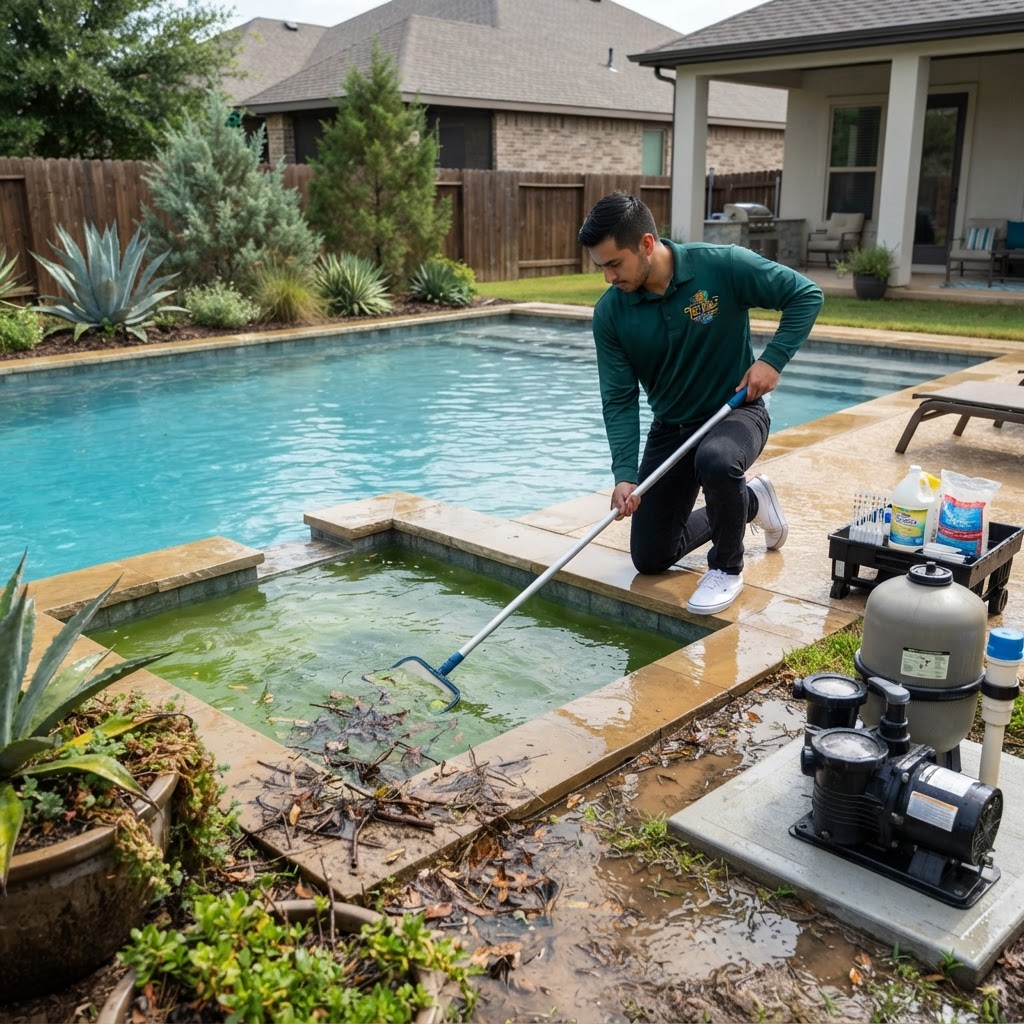
Finding algae in your swimming pool is a common frustration for homeowners, but it is almost always a symptom of an underlying maintenance issue. Algae are microscopic, photosynthetic organisms that are naturally present in the environment. They can be introduced into your pool via wind, rain, contaminated swimsuits, or even pets. While you cannot prevent algae spores from entering your pool, you can create an environment where they cannot thrive.
When your pool water chemistry is balanced and your filtration system is running efficiently, your sanitizer—typically chlorine—will kill algae spores before they have a chance to bloom. If you are seeing green water or slimy patches on your pool walls, it is a clear signal that your pool's "immune system" has been compromised.
Common Causes of Algae Growth
Understanding why algae grows is the first step toward fixing it. Most outbreaks are caused by one or more of the following factors:
- Chemical Imbalance: If your pH, Total Alkalinity, or Cyanuric Acid (CYA) levels are outside the recommended ranges, your chlorine becomes significantly less effective at sanitizing the water.
- Low or Inconsistent Chlorine: If your Free Chlorine levels drop below 1.0 ppm, you lose your primary defense against algae [1, 8].
- Poor Circulation and Filtration: Algae loves "dead spots" where water does not circulate. If your pump run times are too short or your filter is dirty, debris and spores accumulate, providing food for algae [1, 7].
- High Phosphate Levels: Phosphates act as a fertilizer for algae. If your levels are high, even a well-maintained pool can struggle to stay clear. Learn more about managing this in our guide on Phosphates in Pool Water: The Hidden Algae Fuel.
How to Identify and Treat Algae
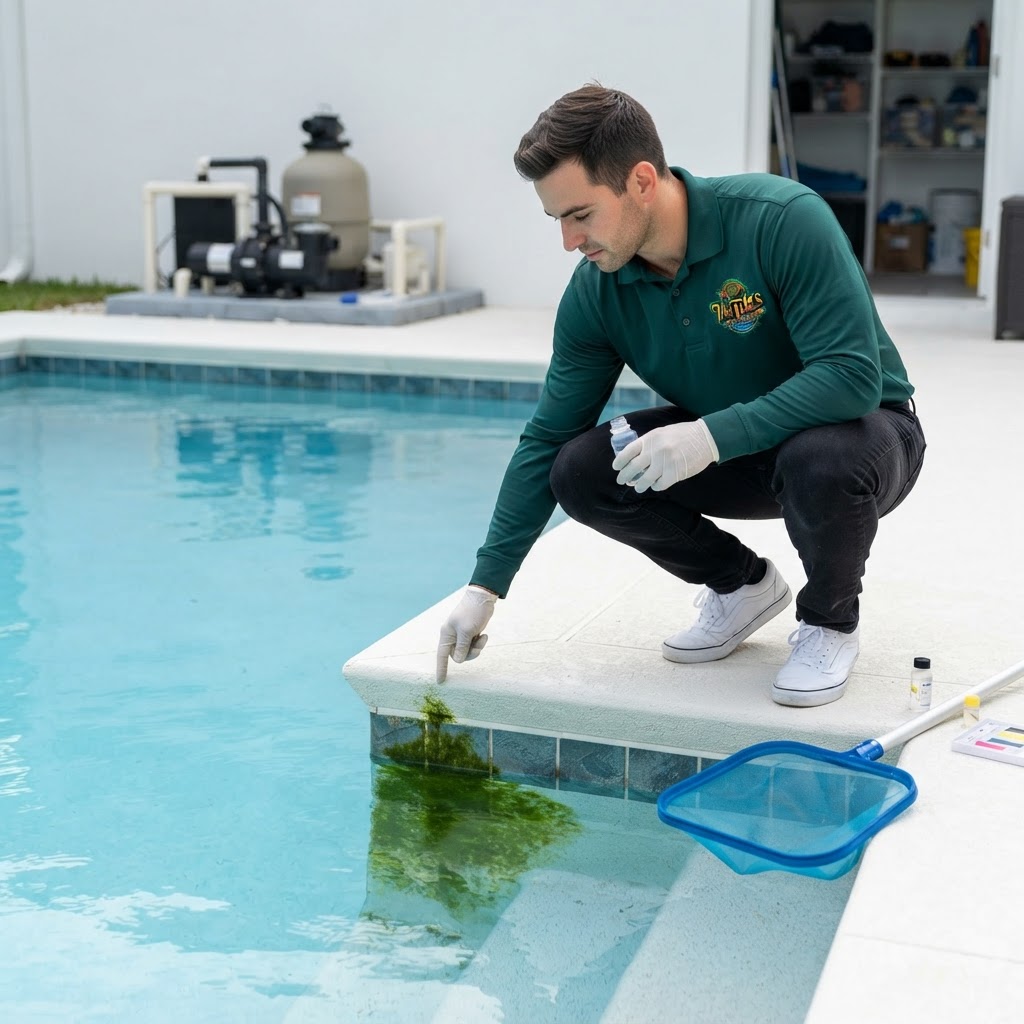
Before you begin treatment, you must identify the type of algae. Green algae is the most common and typically turns water hazy or creates green patches on surfaces [3, 6]. For more stubborn varieties, check out our specialized guides on Black Algae: The Toughest Pool Problem to Kill or Pink Algae and Pool Slime: How to Identify and Remove It Fast.
Step-by-Step Treatment Plan
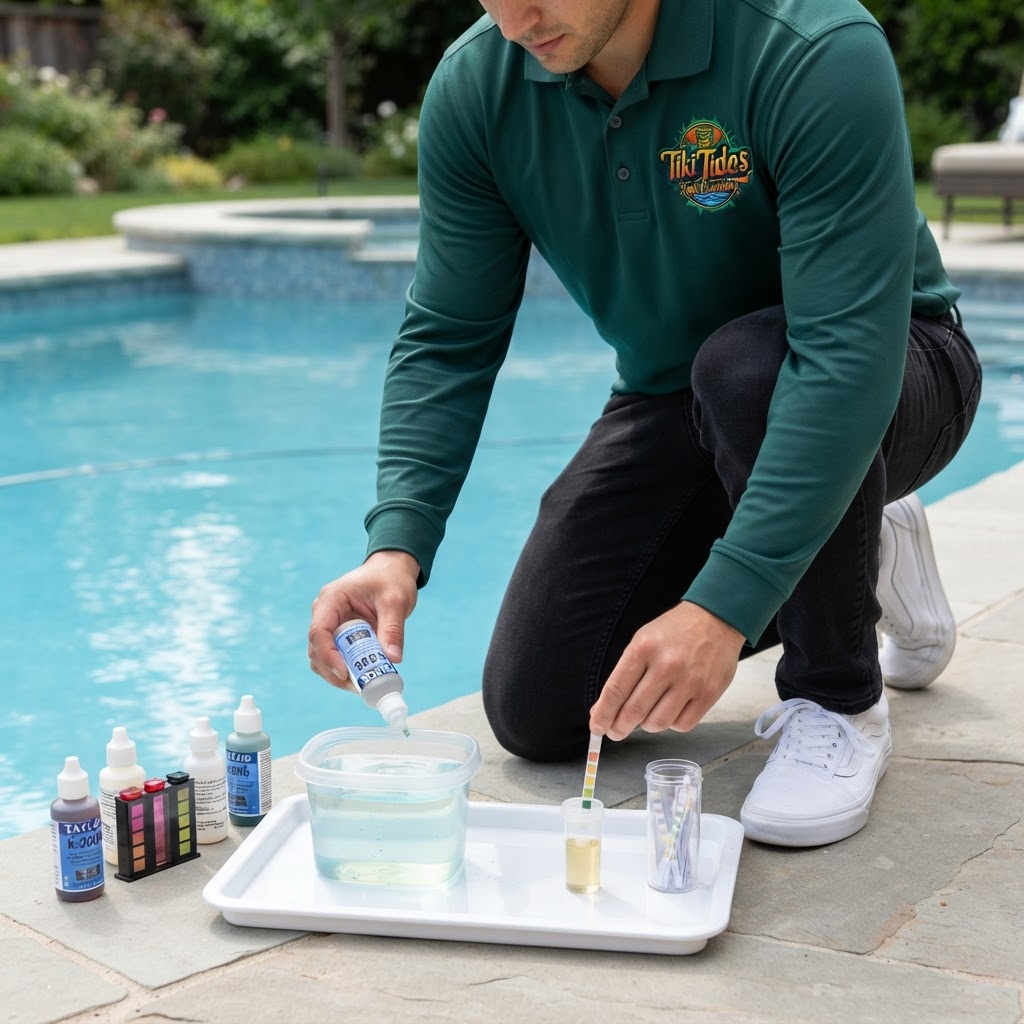
- Test Your Water: Use a reliable testing method to check your levels. See Pool Water Testing: Test Strips vs. Liquid Test Kits to ensure accuracy.
- Balance Chemistry: Adjust your pH to 7.2–7.8 and Total Alkalinity to 80–120 ppm to ensure your shock treatment is effective.
- Brush and Clean: Thoroughly brush the walls and floor to dislodge algae, making it easier for the sanitizer to reach it.
- Shock the Pool: Use a high-quality pool shock to raise chlorine levels and kill the bloom.
- Filter and Circulate: Run your pump 24/7 until the water clears, and clean your filter regularly to remove trapped algae.
Pro Tip: Always brush your pool walls before shocking. This breaks the protective outer layer of the algae, allowing the chlorine to penetrate and kill the organism much faster.
Safety Notes
When handling pool chemicals, always wear protective gear, including gloves and eye protection. Never mix different types of chemicals together, as this can cause dangerous reactions. Ensure your pool is closed to swimmers during the treatment process, especially when using high doses of shock, as it can cause skin and eye irritation. Always follow the manufacturer's instructions on chemical labels for proper dosage and handling.
When to Call a Professional
While minor green tints can often be handled by the homeowner, you should contact a professional if:
- The water remains cloudy or green after 48 hours of proper treatment.
- You suspect your filtration system is broken or failing.
- You are dealing with recurring blooms that suggest a deeper issue with your pool's plumbing or water source.
- You are uncomfortable handling concentrated pool chemicals.
Summary
Algae is a nuisance, but it is manageable with consistent care. By maintaining proper chemical levels—specifically keeping Free Chlorine between 1.0–3.0 ppm and ensuring your pH stays between 7.2–7.8—you can keep your pool sparkling and safe. Regular brushing, proper filtration, and proactive testing are the keys to a worry-free swimming season.