Why Accurate Pool Water Testing Matters
Regular pool water testing is the foundation of a healthy, swimmable backyard oasis. Without consistent monitoring, you are essentially flying blind, which can lead to skin irritation, equipment corrosion, and the dreaded green water caused by algae. Maintaining proper water chemistry is not just about aesthetics; it is about ensuring your pool remains a safe environment for your family and friends.
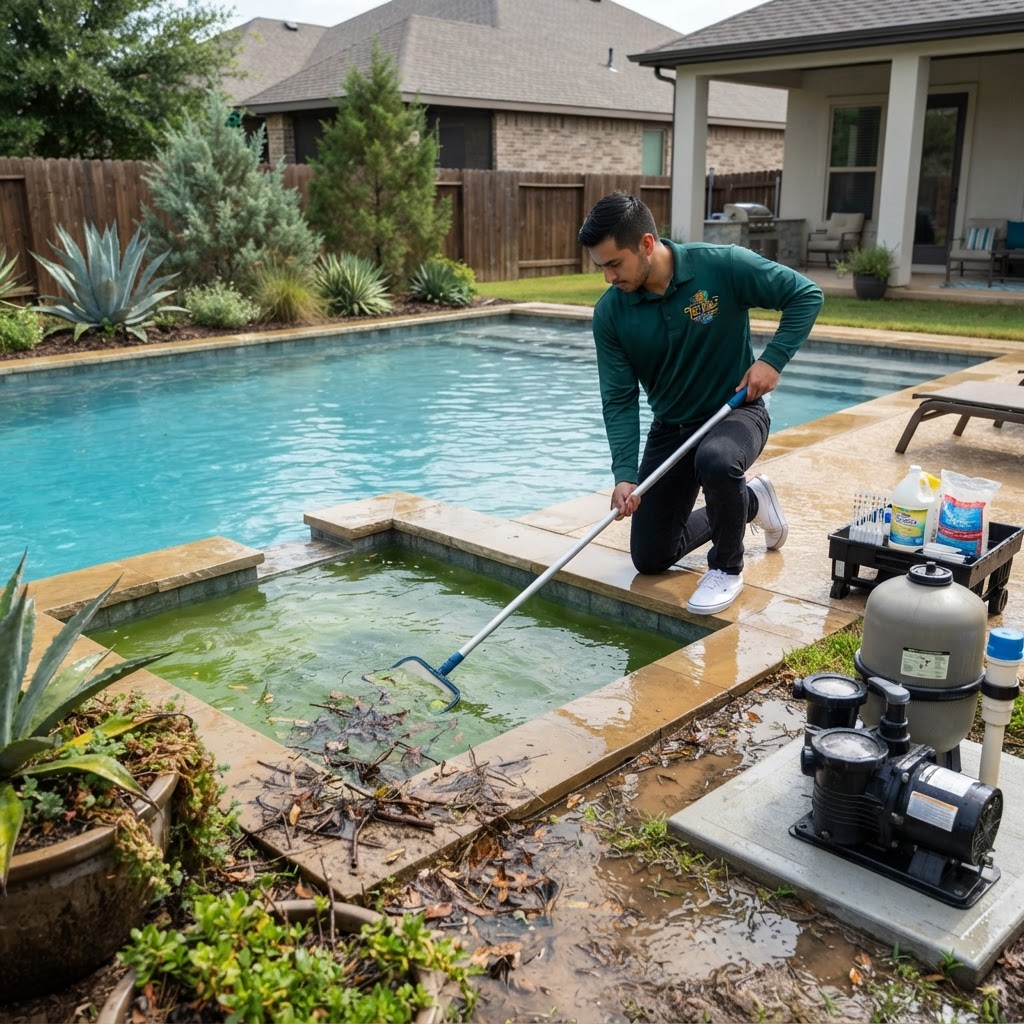
When your water chemistry drifts outside of recommended ranges, your sanitizer becomes less effective. This can lead to Phosphates in Pool Water: The Hidden Algae Fuel, which act as a primary food source for algae. By testing your water at least once a week—and more frequently during hot weather or heavy usage—you can catch imbalances before they turn into costly, time-consuming problems.
Understanding Your Testing Options
Test Strips: The Convenience Choice
Test strips are the most popular choice for quick, daily "sanity checks." They are inexpensive, incredibly fast, and easy to use. You simply dip the strip into the water, wait a few seconds, and compare the color pads to the chart on the bottle.
- Pros: Fast, cheap, and user-friendly.
- Cons: Subjective color matching can lead to reading errors; generally less precise than liquid reagents.
Liquid Test Kits: The Gold Standard
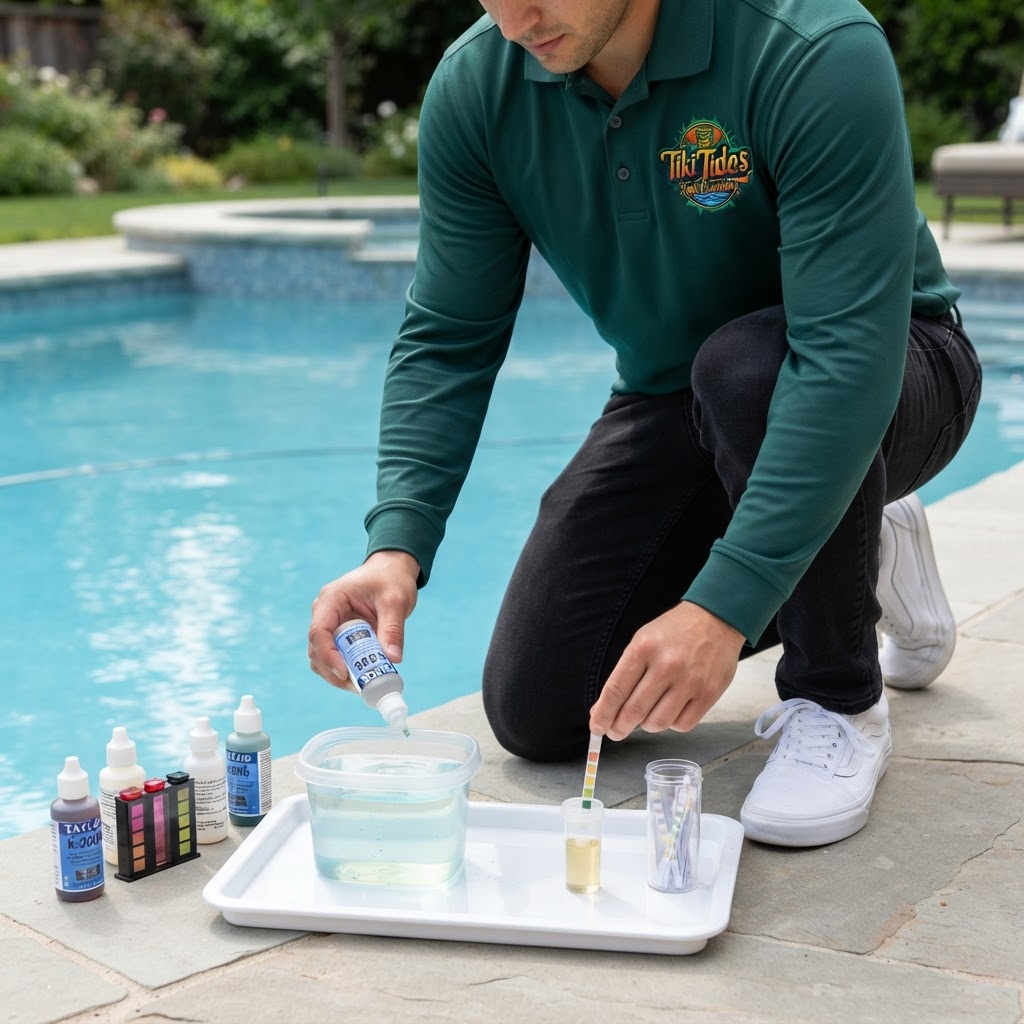
For serious pool owners, a liquid reagent kit (such as a DPD or FAS-DPD kit) is the preferred tool. These kits use chemical reagents that react with your water sample, often requiring you to count drops until a color change occurs. This method removes the guesswork associated with matching shades of color.
- Pros: High accuracy, better for troubleshooting, and essential for precise chemical dosing.
- Cons: Requires more time (5-10 minutes), proper lighting, and clean glassware.
Pro Tip: If you are struggling with persistent issues like Mustard Algae: How to Identify and Eliminate Yellow Algae, stop relying on strips. Use a high-quality liquid drop kit to get an exact reading of your Free Chlorine and Cyanuric Acid levels to ensure your shock treatment is effective.
Target Chemical Ranges
To keep your pool safe and compliant with industry standards, aim for these levels:
- Free Chlorine: 1.0–3.0 ppm
- pH: 7.2–7.8
- Total Alkalinity: 80–120 ppm
- Calcium Hardness: 200–400 ppm
- Cyanuric Acid (CYA): 30–50 ppm
Safety Notes
Always handle pool chemicals with care. Store reagents in a cool, dry place away from direct sunlight to prevent degradation. When testing, ensure your hands are dry and you are using a clean sample vial. Never mix chemicals directly; always add them to the pool water according to the manufacturer's instructions. If you notice Foamy Pool Water: Causes, Solutions, and How to Get Your Clarity Back, do not simply add more chemicals—test your water first to identify the root cause.
When to Call a Professional
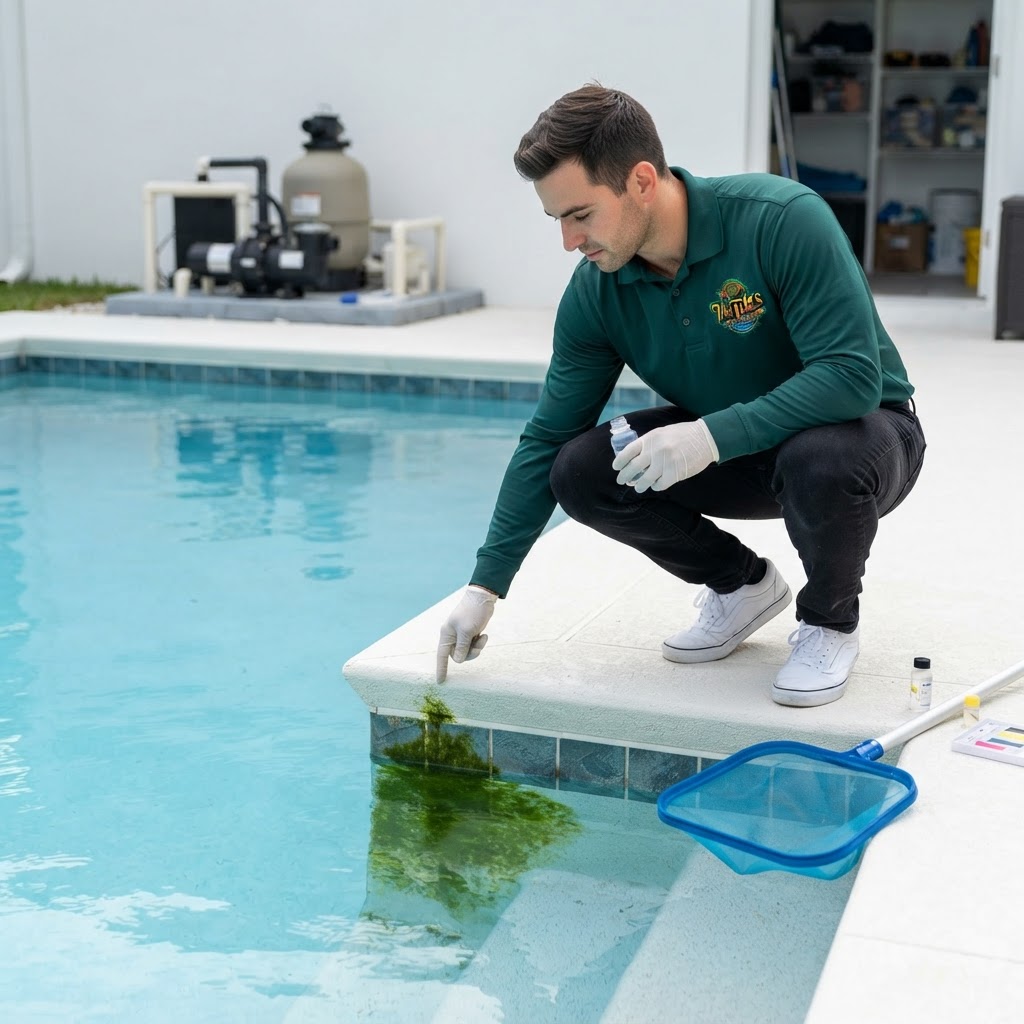
While DIY testing is excellent for routine maintenance, there are times when you need an expert. If you have followed the recommended chemical adjustments but your water remains cloudy, green, or shows signs of Black Algae: The Toughest Pool Problem to Kill, it is time to call Tiki Tides Pools. We use professional-grade photometers to provide a comprehensive analysis that goes beyond standard home kits.
Summary
For daily monitoring, test strips are a helpful tool to ensure your chlorine is present. However, for accurate, long-term water management, a liquid test kit is an investment that pays for itself by preventing over-correction and protecting your pool equipment. Stay consistent, keep your levels in range, and enjoy your pool all season long.